
مع اقتراب موسم الحج، تتضافر الجهود في المملكة العربية السعودية لاستقبال ضيوف الرحمن من كل فج عميق، ويبرز منفذ حالة عمار في منطقة تبوك كنقطة محورية وشريان حيوي لاستقبال الحجاج القادمين برًا من المملكة الأردنية الهاشمية والدول المجاورة. وفي هذا الإطار، تواصل المديرية العامة لحرس الحدود جهودها المكثفة لضمان انسيابية وسلاسة إجراءات دخول الحجاج، وتقديم تجربة روحانية ميسرة منذ لحظة وصولهم إلى أراضي المملكة.
خلفية تاريخية وأهمية استراتيجية للمنفذ
يعد منفذ حالة عمار، الواقع على الحدود السعودية-الأردنية، أحد أهم المعابر البرية في شمال المملكة. تاريخيًا، كانت هذه المنطقة جزءًا من طرق القوافل والحج القديمة التي تربط بلاد الشام بشبه الجزيرة العربية. وفي العصر الحديث، اكتسب المنفذ أهمية استراتيجية كبرى، ليس فقط كبوابة تجارية، بل كمعبر رئيسي للحجاج والمعتمرين، خاصة من الأردن وفلسطين وسوريا ولبنان. وتستعد المملكة سنويًا عبر هذا المنفذ لاستقبال آلاف الحجاج، مما يتطلب بنية تحتية متطورة وكوادر بشرية مؤهلة للتعامل مع هذه الأعداد بكفاءة عالية.
منظومة خدمات متكاملة لراحة الحجاج
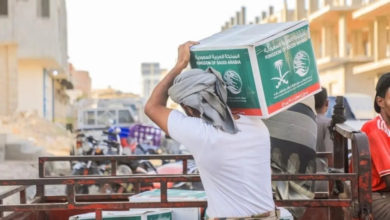
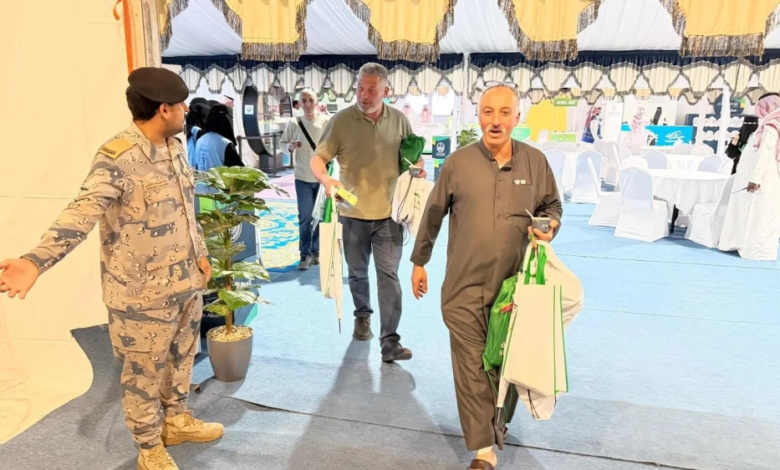
تأتي جهود حرس الحدود ضمن منظومة عمل متكاملة تشارك فيها مختلف القطاعات الحكومية. وقد سخرت المديرية كافة إمكانياتها البشرية والتقنية في المنفذ لرفع كفاءة الخدمات المقدمة. تشمل هذه الجهود تعزيز انسيابية الحركة من خلال زيادة عدد المسارات المخصصة للحافلات والمركبات، وتطبيق أحدث التقنيات لإنهاء إجراءات الجوازات والتحقق من التصاريح بسرعة ودقة. كما يتم التنسيق المستمر مع الجهات الصحية لتوفير الرعاية الطبية الأولية، ومع الجمارك والجهات الأمنية الأخرى لضمان أمن وسلامة ضيوف الرحمن. ولا تقتصر الخدمات على الجانب الإجرائي، بل تمتد لتشمل تقديم الإرشاد والتوجيه، وتوزيع المياه والوجبات الخفيفة، وتوفير أماكن للراحة، مما يعكس كرم الضيافة السعودية الأصيل.
التأثير المحلي والإقليمي
على الصعيد المحلي، تساهم هذه الاستعدادات في تنشيط الحركة الاقتصادية في منطقة تبوك، وتبرز القدرة التنظيمية العالية للمملكة في إدارة الحشود. أما على الصعيد الإقليمي، فإن تسهيل إجراءات دخول الحجاج الأردنيين يعزز أواصر الأخوة والعلاقات المتينة بين المملكتين، ويؤكد على التعاون المشترك لخدمة قاصدي المشاعر المقدسة. إن نجاح إدارة المنفذ خلال موسم الحج يرسل رسالة إيجابية عن قدرة المنطقة على التكامل والعمل المشترك في أهم حدث ديني للمسلمين. وتتوافق هذه الجهود مع مستهدفات رؤية السعودية 2030، التي تضع خدمة الحجاج والمعتمرين وتيسير رحلتهم الإيمانية على رأس أولوياتها.