

A recent scientific study conducted by researchers from the University of Bristol in Britain revealed alarming results regarding the impact of the living environment on children's health, showing that exposure to toxic household mold in childhood does not go unnoticed, but rather leaves long-term scars and effects on lung function that extend into adolescence and early adulthood.
Shocking results from the "Children of the Nineties" study
The findings were based on data from a large, long-term research project known as "Children of the 90s," which tracked the health of participants for nearly three decades. The research team found that children who lived in homes with damp and mold problems, specifically at age 15, showed a significant decline in lung function of up to 5% when re-examined 10 years later, compared to their peers who lived in healthier environments.
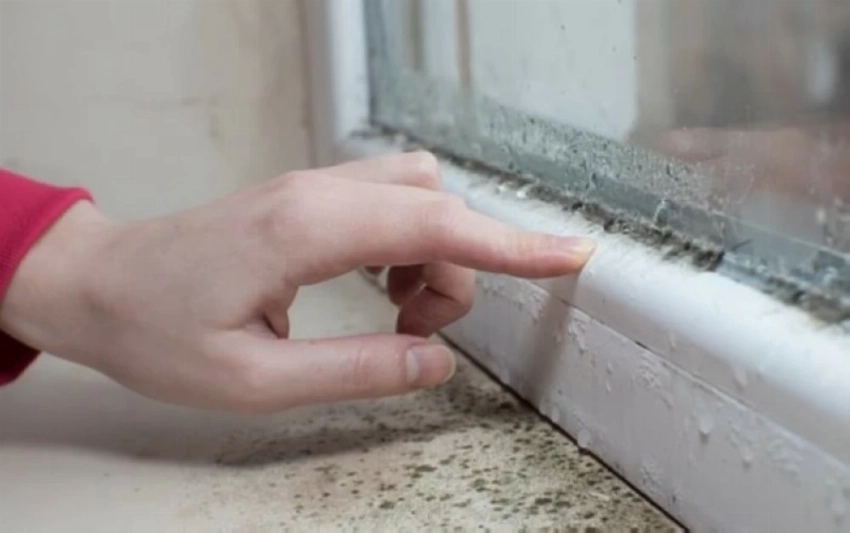
This discovery is particularly important in the medical context, as early puberty is the stage at which the lungs typically reach their peak performance and efficiency. Therefore, any deficiency at this stage could signify an early onset of chronic respiratory diseases or premature lung aging.
General context: Indoor air quality is a global crisis
This study highlights the often-overlooked issue of indoor air quality compared to outdoor air pollution. World Health Organization reports indicate that living in humid environments increases the risk of respiratory illnesses by up to 50%. Mold is a major source of biological pollutants in homes, releasing microscopic spores and mycotoxins that can be easily inhaled, triggering the immune system to launch inflammatory responses that can damage lung tissue.
Health risks and warning symptoms
Professor James Dodd, a professor of respiratory medicine at Bristol Medical School, explained that the risk is not limited to asthma patients, but extends to healthy individuals as well. Symptoms to watch out for include:
- A persistent cough that does not respond to traditional treatments.
- Wheezing in the chest and shortness of breath.
- Asthma and allergy attacks worsen.
- Frequent infections of the sinuses and airways.
In severe cases, especially with exposure to "black mold," symptoms may develop to include chronic headaches, persistent fatigue, and even neurological effects as a result of fungal toxins that are transmitted through the bloodstream.
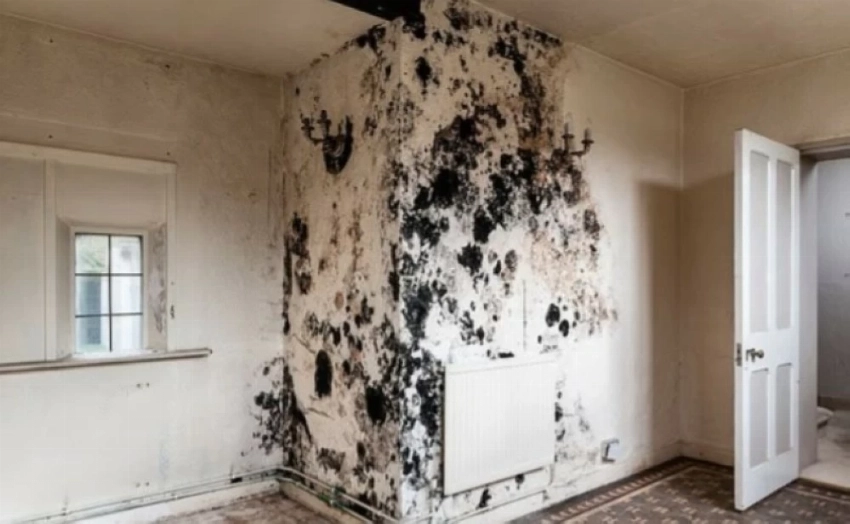
Government statistics in the United Kingdom for 2019 indicate that approximately 5,000 cases of asthma and 8,500 cases of lower respiratory infections are directly linked to dampness and mold inside homes, reflecting the significant economic and health burden this phenomenon places on healthcare systems.
Hidden places and practical solutions
Experts have warned that mold can hide in unexpected places such as behind wallpaper, under flooring, and inside electrical appliances like washing machines and refrigerators. To prevent this, Dr. Raquel Granel, who participated in the study, offered some key tips for maintaining a healthy home environment:
- Continuous ventilation: Open windows daily to refresh the air and reduce humidity.
- Humidity management: Use dehumidifiers in enclosed areas.
- Immediate maintenance: Repair any water leaks as soon as they are discovered to prevent the formation of a breeding ground for fungi.
- Avoid indoor drying: Do not dry clothes inside closed rooms as much as possible.