
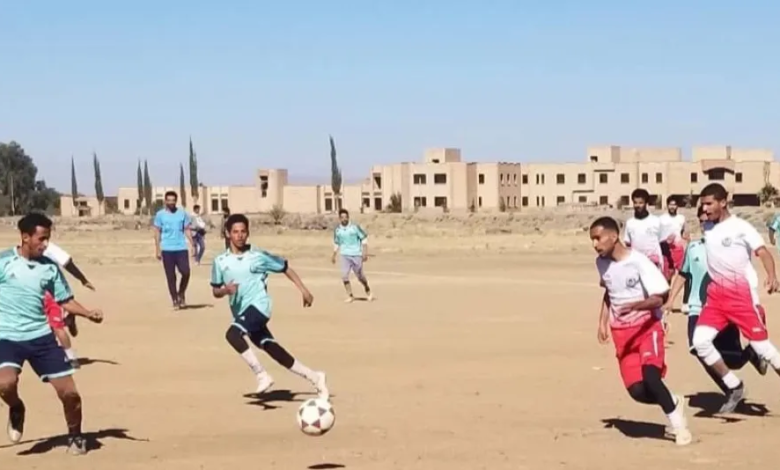
في خطوة تعكس إصرار جماعة الحوثي (أنصار الله) على عسكرة كافة مناحي الحياة في المناطق الخاضعة لسيطرتها، تحولت الملاعب والصالات الرياضية من ساحات للتنافس الشريف والروح الرياضية إلى منصات للتعبئة الفكرية والتحشيد العسكري. وتجلى ذلك بوضوح من خلال إطلاق أسماء قتلى الجماعة وقياداتها الميدانية على الدوريات والبطولات الرياضية الشعبية والرسمية، في محاولة لترسيخ رموز الجماعة في أذهان النشء والشباب.
استراتيجية التعبئة عبر “القوة الناعمة”
لا يعد هذا التوجه حدثاً عابراً أو معزولاً، بل يندرج ضمن استراتيجية ممنهجة تتبعها الجماعة منذ سيطرتها على العاصمة صنعاء في سبتمبر 2014. حيث تسعى الجماعة لاستغلال قطاع الرياضة، الذي يحظى بشعبية جارفة بين أوساط الشباب اليمني، كأداة من أدوات “القوة الناعمة” لتمرير أجندتها السياسية والعقائدية. فبدلاً من أن تكون الرياضة متنفساً للشباب في ظل الأوضاع الاقتصادية والإنسانية الصعبة التي تعيشها البلاد، باتت بوابة لاستقطاب المقاتلين الجدد وربط الأنشطة المجتمعية بذكرى الصراعات والحروب.
استهداف الهوية الوطنية وتغيير المعالم
وتشير التقارير الميدانية والحقوقية إلى أن وزارة الشباب والرياضة في حكومة الحوثيين (غير المعترف بها دولياً) تعمل بشكل دؤوب على تغيير هوية المنشآت الرياضية والمسابقات. فلم يقتصر الأمر على تسمية الكؤوس والدوريات بأسماء قتلى الجبهات، بل امتد ليشمل تعليق الصور والشعارات السياسية داخل الملاعب، وإلزام الفرق المشاركة بترديد الصرخة الحوثية في بعض الفعاليات، مما يعد انتهاكاً لمبادئ الميثاق الأولمبي الذي يحظر استغلال الرياضة لأغراض سياسية أو طائفية.
السياق العام وتأثير الحرب على الشباب
يأتي هذا التحشيد في وقت يعاني فيه اليمن من أسوأ أزمة إنسانية في العالم، حيث أدت الحرب المستمرة لسنوات إلى تدمير البنية التحتية وتعطيل العملية التعليمية في كثير من المناطق. وفي ظل الفراغ الكبير الذي يعيشه الشباب وانعدام الفرص الوظيفية، تجد الجماعة في الفعاليات الرياضية بيئة خصبة للتأثير على عقول المراهقين. وتتكامل هذه الأنشطة الرياضية مع ما يُعرف بـ “المراكز الصيفية” التي تقيمها الجماعة سنوياً، والتي تهدف بشكل رئيسي إلى غرس مفاهيم الولاء للجماعة والاستعداد للقتال.
المخاطر المستقبلية على النسيج الاجتماعي
يحذر مراقبون وخبراء اجتماعيون من خطورة هذا النهج على مستقبل اليمن، حيث يؤدي ربط الرياضة بالموت والعنف إلى تشويه النفسية العامة للجيل الصاعد. إن تحويل رموز الرياضة والسلام إلى رموز للحرب يساهم في صناعة جيل مفخخ بالأفكار المتطرفة، مما يهدد النسيج الاجتماعي اليمني ويزيد من تعقيد فرص السلام والتعايش في المستقبل. إن الإصرار على صبغ الفعاليات المجتمعية بصبغة طائفية وعسكرية يهدد بطمس الهوية الوطنية الجامعة لليمنيين، ويحول الملاعب من مساحات للفرح إلى ساحات للعزاء والتعبئة المستمرة.