The Houthis and the Changing of Yemeni Identity: Facts about Curricula and Sectarianism

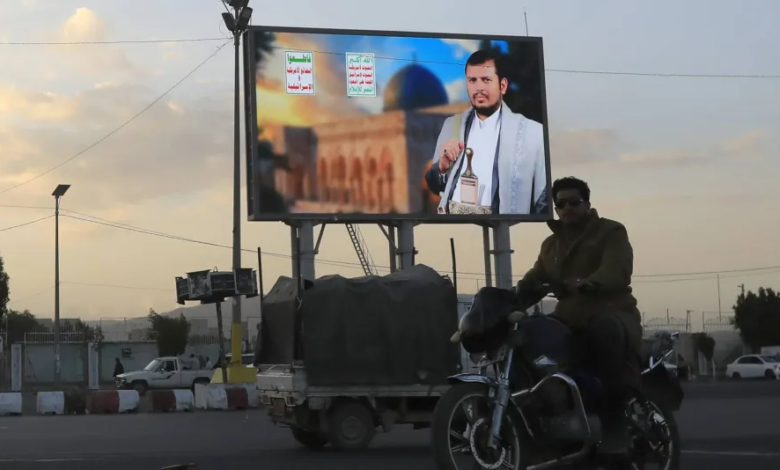
The areas under the control of the Houthi group (Ansar Allah) in Yemen are witnessing rapid and intensified efforts aimed at fundamentally altering the structure of Yemeni society and its national identity by imposing a singular sectarian character on all aspects of public and private life. These steps are part of a long-term strategy whose outlines have become increasingly clear as the group tightens its grip on state institutions in Sana'a.
Targeting the education sector and curricula
The education sector is a cornerstone of the Houthis' project to reshape public consciousness. Since seizing control of the capital, Sana'a, in September 2014, the group has systematically altered school and university curricula. These changes have included removing lessons related to national symbols and the history of the Yemeni revolutions (September 26 and October 14), replacing them with content that glorifies the group's leaders and reinforces the concepts of "guardianship" and "divine selection"—concepts that are highly controversial and contradict Yemen's republican identity.
Summer camps and intellectual mobilization
Alongside formal education, the group has intensified its "summer camps" activities, targeting hundreds of thousands of children and young people. Human rights and local reports indicate that these camps are not limited to recreational activities but have transformed into indoctrination and military training camps, where participants are taught the group's literature and slogans. This raises serious concerns among international organizations and the local community about the militarization of childhood and the creation of a generation indoctrinated with extremist ideologies.
Historical context and the erosion of identity
These practices come within the context of the years-long conflict, in which the Houthis seek to consolidate their influence not only militarily, but also culturally and socially. Historically, Yemeni society has been characterized by diversity and coexistence among different schools of thought (Shafi'i and Zaidi), but current policies are deepening sectarian divisions. These campaigns have also included imposing restrictions on mosques, replacing imams and preachers with others loyal to the group, and imposing religious rituals foreign to Yemeni society during various religious occasions.
Future repercussions and risks
Observers and social experts warn that the continuation of these campaigns threatens to irrevocably tear apart the social fabric of Yemen. Systematic sectarianization could lead to the creation of isolated sectarian enclaves, further complicating the prospects for achieving lasting peace and national reconciliation in the future. Transforming the political conflict into an identity-based and ideological one is among the most serious challenges facing Yemen, as its impact extends beyond physical and economic destruction to strike at the very core of Yemeni identity and social cohesion.