
مع اقتراب عيد الأضحى المبارك، يتجه المسلمون لإحياء شعيرة الأضحية، وهي سنة مؤكدة تحمل قيماً روحية واجتماعية عظيمة. ولكن في خضم هذه الاستعدادات، يبرز سؤال جوهري حول كيفية ضمان سلامة الأضحية وصلاحيتها للاستهلاك الآدمي. وهنا، تلعب الرقابة البيطرية التي تشرف عليها وزارة البيئة والمياه والزراعة دوراً حاسماً، حيث تمثل خط الدفاع الأول لحماية صحة المستهلك وضمان وصول لحوم آمنة وسليمة إلى كل بيت.
الأضحية: من الشعيرة الدينية إلى المسؤولية الصحية
ترتبط شعيرة الأضحية ارتباطاً وثيقاً بقصة نبي الله إبراهيم عليه السلام، وهي تذكير بالتضحية والتقرب إلى الله. ومن شروط صحة الأضحية في الشريعة الإسلامية أن تكون سليمة وخالية من العيوب الظاهرة التي قد تؤثر على جودة لحمها. قديماً، كان الاعتماد على الخبرة الشخصية في اختيار الأضحية، أما اليوم، ومع التوسع العمراني وزيادة الطلب، أصبحت المسالخ المعتمدة تحت الإشراف الحكومي هي الخيار الآمن والضروري، ليس فقط للالتزام بالشروط الشرعية، بل أيضاً لمواجهة التحديات الصحية الحديثة ومنع انتقال الأمراض المشتركة بين الإنسان والحيوان.
خطوات الفحص البيطري: رحلة دقيقة من المزرعة إلى المائدة
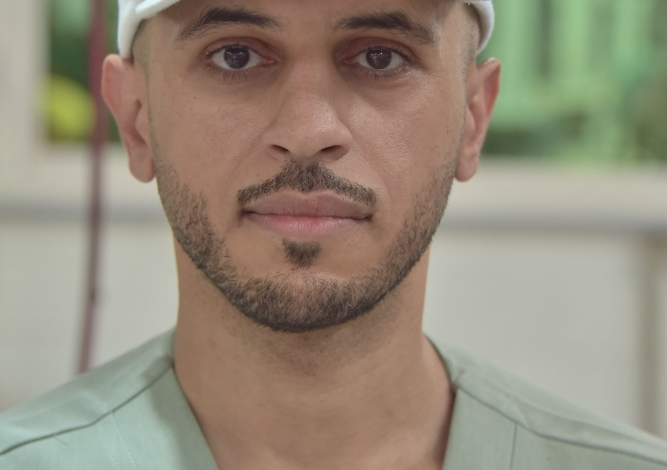
أوضح الطبيب البيطري بفرع الوزارة، أحمد الحافظ، أن دور الكادر الطبي البيطري يبدأ فور وصول الماشية إلى المسالخ المعتمدة، حيث تخضع لعملية فحص صارمة تتم على مرحلتين أساسيتين لضمان أعلى معايير السلامة الغذائية.
المرحلة الأولى: الفحص الظاهري قبل الذبح
تُعد هذه المرحلة بمثابة فحص سريري أولي للحيوان وهو على قيد الحياة. يركز الأطباء البيطريون على عدة علامات حيوية للتأكد من خلو الأضحية من أي أعراض مرضية واضحة، وتشمل:
- الحيوية والنشاط: ملاحظة حركة الحيوان وسلوكه العام، حيث إن الخمول والكسل قد يكونان مؤشراً على وجود حمى أو مرض.
- الأغشية المخاطية: فحص العينين والأنف للتأكد من عدم وجود إفرازات غير طبيعية أو تغير في لون الأغشية، مما قد يدل على التهابات.
- سلامة القوائم والحركة: التأكد من أن الحيوان يمشي بطريقة طبيعية ولا يعاني من عرج، لضمان خلوه من الكسور أو التهابات المفاصل.
- حالة الصوف أو الشعر: يجب أن يكون الصوف لامعاً ومتماسكاً، فالصوف الباهت والمتساقط قد يكون علامة على سوء التغذية أو الإصابة بالطفيليات.
المرحلة الثانية: الفحص الدقيق بعد الذبح
بعد إتمام عملية الذبح وفق الشريعة الإسلامية، تبدأ المرحلة الأكثر دقة، وهي فحص الأعضاء الداخلية والذبيحة. هذه الخطوة حيوية لكشف الأمراض التي لا تظهر أعراضها خارجياً. وأضاف الحافظ أن هذا الفحص يشمل:
- فحص الكبد والرئتين: يتم البحث عن أي خراجات، أو ديدان كبدية، أو تغير في اللون والملمس، وهي مؤشرات على أمراض طفيلية أو بكتيرية.
- فحص القلب والكليتين: للتحقق من عدم وجود التهابات أو علامات تدل على أمراض جهازية مثل الفشل الكلوي.
- فحص الغدد اللمفاوية: تعتبر الغدد اللمفاوية “مرآة” صحة الحيوان، حيث إن تضخمها أو وجود خراجات بها يعد دليلاً قوياً على وجود عدوى أو مرض وبائي.
إجراءات حازمة لحماية المجتمع المحلي والعالمي
وشدد الحافظ على الحزم في تطبيق الإجراءات الصحية. ففي حال اكتشاف أي مرض قد يؤثر على سلامة الذبيحة بالكامل، يتم إتلافها كلياً بشكل فوري لمنع وصولها إلى المستهلك نهائياً. أما في حالات الإصابات الموضعية البسيطة، مثل وجود خراج صغير في جزء من الكبد، فيتم الإتلاف الجزئي للجزء المصاب فقط مع السماح باستهلاك بقية الذبيحة السليمة.
لا تقتصر أهمية هذه الرقابة على المستوى المحلي فقط، بل تمتد لتشمل بعداً دولياً، خاصة في المملكة العربية السعودية التي تستقبل ملايين الحجاج سنوياً. تضمن هذه الإجراءات الصارمة سلامة اللحوم التي يتم استهلاكها وتوزيعها ضمن “مشروع المملكة للإفادة من الهدي والأضاحي”، مما يساهم في حماية الصحة العامة على نطاق عالمي ويعزز من مكانة المملكة كنموذج رائد في إدارة السلامة الغذائية خلال التجمعات البشرية الكبرى.