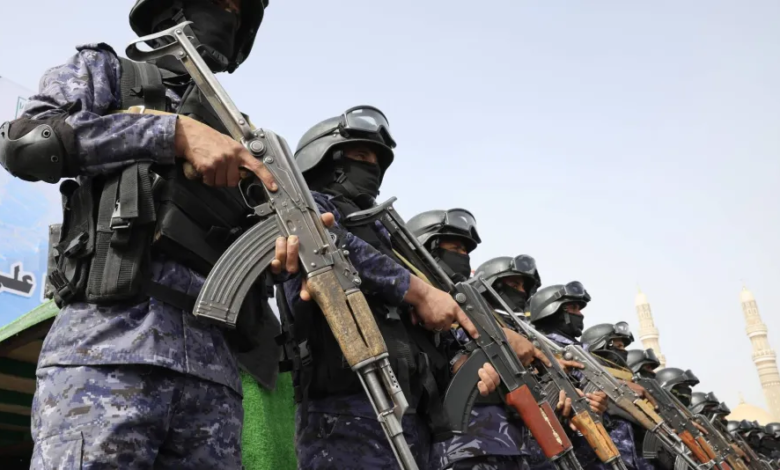

تتصاعد حدة التوتر في المناطق المحيطة بالعاصمة اليمنية صنعاء، حيث تفجرت أزمة جديدة بين جماعة الحوثي (أنصار الله) وقبائل خولان الطيال، إحدى أكبر وأقوى القبائل اليمنية. تعود جذور الأزمة إلى ممارسات قيادات حوثية، يُعتقد أن من بينهم شخصيات نافذة مقربة من قيادة الجماعة، والتي تمثلت في محاولات الاستيلاء على مساحات شاسعة من أراضي القبيلة، مما أثار غضباً واسعاً ونذر بمواجهة قد تكون لها تداعيات خطيرة على استقرار المنطقة.
خلفية تاريخية وجذور الصراع
تتمتع قبائل خولان، التي تمتد أراضيها في الحزام الجنوبي الشرقي لصنعاء، بتاريخ طويل من النفوذ السياسي والعسكري في اليمن. وقد لعبت أدواراً محورية في تاريخ البلاد، محافظةً على درجة عالية من الاستقلالية. عند سيطرة الحوثيين على صنعاء في عام 2014، كان موقف قبائل خولان، كغيرها من القبائل الكبرى، معقداً وتراوح بين التحالف الحذر والحياد. لكن مع مرور الوقت، بدأت سياسات جماعة الحوثي المركزية، وسعيها لفرض سيطرة مطلقة وتغيير البنى الاجتماعية التقليدية، في التسبب بصدام مباشر مع هذه القوى القبلية الراسخة.
سياسة الاستيلاء الممنهج على الأراضي
تكمن الشرارة الأساسية للأزمة الحالية في السياسة التي تنتهجها قيادات حوثية للاستيلاء على أراضي القبائل تحت ذرائع مختلفة، مثل اعتبارها أراضي أوقاف أو ممتلكات للدولة. يرى أبناء قبيلة خولان في هذه الممارسات تعدياً سافراً على حقوقهم التاريخية ومحاولة لتفكيك نسيجهم الاجتماعي وإضعاف نفوذهم. وتعتبر الأرض في الثقافة القبلية اليمنية رمزاً للشرف والوجود، والمساس بها يعد إعلان حرب. وقد وثقت تقارير محلية عديدة قيام مشرفين وقادة حوثيين باستخدام نفوذهم للاستيلاء على أراضٍ زراعية وعقارات استراتيجية تابعة للقبيلة، مما أدى إلى احتقان شعبي كبير وتصاعد الدعوات القبلية للتصدي لهذه الممارسات بالقوة.
أهمية الأزمة وتداعياتها المحتملة
تكتسب هذه الأزمة أهمية خاصة نظراً للموقع الاستراتيجي لقبائل خولان ودورها كطوق أمني للعاصمة صنعاء. إن أي مواجهة مسلحة بين الطرفين لن تكون مجرد صراع محلي، بل ستحمل في طياتها تداعيات أوسع.
- على الصعيد المحلي: يمكن أن يؤدي تمرد قبائل خولان إلى إشعال جبهة جديدة ضد الحوثيين في عقر دارهم، مما يستنزف قدراتهم العسكرية والبشرية ويهدد سيطرتهم على أهم معاقلهم. كما أنه قد يشجع قبائل أخرى متضررة من ممارسات الجماعة على التحرك، مما يخلق حالة من عدم الاستقرار الداخلي الواسع في مناطق سيطرة الحوثيين.
- على الصعيدين الإقليمي والدولي: يسلط هذا الصراع الضوء على التصدعات الداخلية في بنية سلطة الحوثيين، ويكشف عن مدى الرفض الشعبي والقبلي لمشروعهم. بالنسبة للأطراف الإقليمية والدولية المنخرطة في الملف اليمني، تُظهر هذه التطورات أن سيطرة الجماعة ليست مطلقة، وأن هناك قوى داخلية قادرة على تحديها، وهو ما قد يؤثر على مسارات مفاوضات السلام المستقبلية وضرورة إشراك المكونات القبلية كفاعل أساسي في أي تسوية سياسية شاملة.
في المحصلة، تمثل الأزمة مع قبائل خولان اختباراً حقيقياً لسلطة جماعة الحوثي، وتكشف عن التناقض العميق بين خطابها الذي يدعي الدفاع عن السيادة وبين ممارساتها التي تستهدف الهياكل التقليدية للمجتمع اليمني. وقد تكون هذه المواجهة نقطة تحول في علاقة الجماعة بالعمق القبلي الذي شكل أحد ركائز توسعها في الماضي.