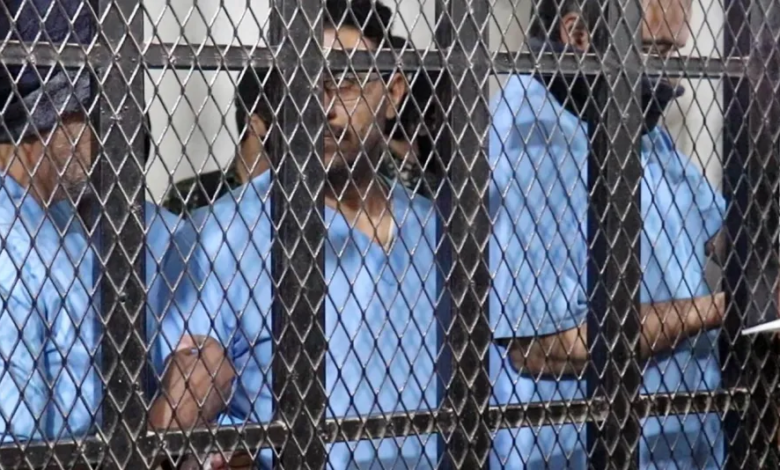

The issue of detainees and those forcibly disappeared in Houthi prisons remains one of the darkest aspects of the Yemeni landscape, as these prisons have become tools for deepening the human rights tragedy in a country torn apart by years of war. What is happening behind bars goes beyond mere deprivation of liberty; it has become a systematic approach targeting the dignity of the Yemeni people and blatantly disregarding all international conventions and norms.
The context of the conflict and the expansion of the circle of arrests
Since the Houthi group seized control of the capital, Sana'a, in September 2014, Yemen has witnessed a dramatic shift in the state of public freedoms. Arrests have not been limited to military opponents but have extended to journalists, human rights activists, academics, and even ordinary citizens who have found themselves victims of malicious accusations or arbitrary security campaigns. Local and international human rights reports indicate that the group has transformed numerous civilian facilities, such as schools, government buildings, and even residential homes, into secret detention centers lacking the most basic standards of humane treatment.
Systematic violations and lack of fair trial
Reports from international organizations such as Human Rights Watch and Amnesty International, as well as reports from the UN Group of Eminent Experts, confirm that Houthi prisons are witnessing practices that amount to war crimes. These practices include severe physical and psychological torture, denial of medical care, and enforced disappearances lasting for years without allowing contact with family or lawyers. Detainees are also frequently used as political bargaining chips in prisoner exchange negotiations, turning a purely humanitarian issue into a commodity for negotiation.
Social and humanitarian repercussions
The impact of these violations extends far beyond the prison walls, striking at the very fabric of Yemeni society. Thousands of Yemeni families live in constant fear and anticipation, losing loved ones and exacerbating their already dire economic and living conditions. Furthermore, survivors of these prisons suffer from psychological trauma and permanent physical disabilities, making their reintegration into society an immense challenge and creating an entire generation burdened by the war and its psychological scars.
The international situation and the need for urgent action
Despite repeated international condemnations, the international community continues to face significant challenges in establishing genuine oversight of these prisons or compelling the group to disclose the fate of the forcibly disappeared. The continuation of these violations without any real deterrent puts the credibility of the international human rights system at risk and necessitates more decisive action that goes beyond statements of concern to concrete measures that guarantee the protection of civilians and hold those involved in these crimes accountable, ensuring that perpetrators do not escape punishment and that justice is served for the victims.