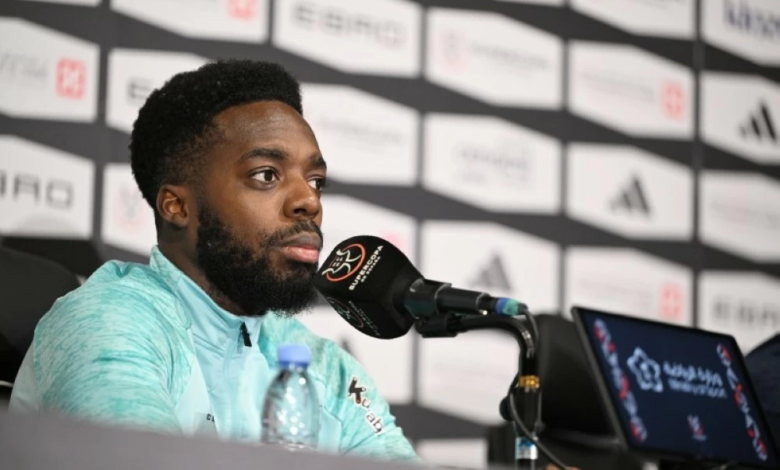
Iñaki Williams vows revenge against Barcelona in the Spanish Super Cup in Jeddah

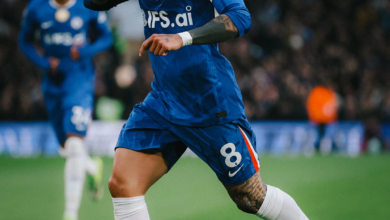
Athletic Bilbao's star striker and captain, Iñaki Williams, expressed his great optimism and enthusiasm ahead of the Spanish Super Cup, which is being hosted by Saudi Arabia for the fifth time, stressing that his team has the determination and resolve to turn the tables despite being the least favored side to win the title.
The tournament kicks off tomorrow, Wednesday, and continues until Sunday, January 11, at King Abdullah Sports City Stadium (The Shining Jewel) in Jeddah, amid great global anticipation for this event organized by the Saudi Ministry of Sports, with the participation of elite La Liga clubs: Barcelona, Real Madrid, Atletico Madrid, and Athletic Bilbao.
Memories of 2021 and the search for surprise
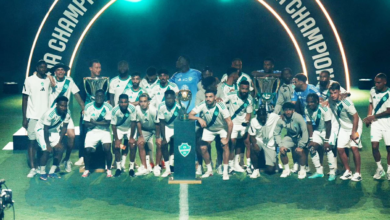
Speaking to the media, Williams recalled the historic 2021 edition, when the Basque team managed to eliminate Real Madrid in the semi-finals and then overcome Barcelona in the thrilling final with a score of 3-2, where Williams himself scored the magnificent winning goal in extra time.
Williams said, "We're looking forward to starting 2026 on a positive and honorable note," emphasizing that the team came to Jeddah with one goal: to return with the trophy. He added, "Football is all about details, and we can spring a surprise, just like we did in 2021. We might be the least favored of the top four teams, but that has a positive side; we can catch them off guard, and they might come into the game a bit complacent. That's where our opportunity lies.".
Facing Barcelona and the tactic of exploiting spaces
Regarding the upcoming match against the Catalan giant Barcelona (the league and cup champion for the 2024-2025 season), Williams acknowledged the difficulty of the task given the offensive strength and speed of the opponent, but he pointed out weaknesses that can be exploited.
He explained, "We have to exploit the spaces Barcelona leave behind. We have fast players and excellent playmakers who can break down their defense." He added, "We want people to feel proud of their team and to see the true Bilbao identity, and we will strive to achieve that.".
The Spanish Super Cup in Saudi Arabia: A strategic partnership and global success
This tournament comes as part of the strategic partnership between the Spanish Football Federation and the Kingdom of Saudi Arabia, which has contributed to changing the format of the competition since 2020 to become a "Final Four" system instead of a single match, which has increased the intensity of the competition and the marketing value of the tournament.
Hosting such major sporting events is part of the Kingdom's Vision 2030, which aims to strengthen the sports sector and make the Kingdom a global destination for major events. Previous editions held in Jeddah and Riyadh witnessed large crowds and high-level organization, reflecting the great passion of Saudi fans for Spanish football.
Williams concluded his remarks with a touch of candor about playing away from home: “Sometimes I try to be honest, and the way or the words may not be quite right, but my intention is the good of the club. It’s unfortunate that we won’t be able to play in front of our full Basque fans as if we were in Spain, but we know we have fans here and we will fight for them.”.