An urgent session of the Human Rights Council to discuss Iran's attacks in the Gulf

An emergency session of the Human Rights Council was held
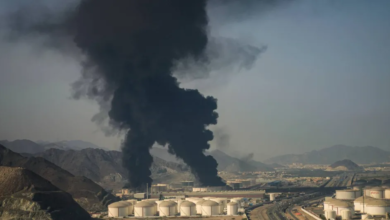
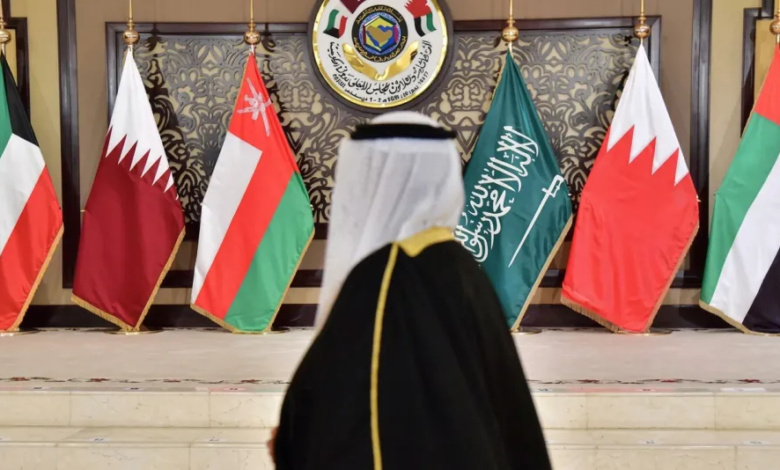
All eyes are on Geneva, where the UN Human Rights Council is holding an urgent and crucial session to discuss the repercussions of Iranian attacks and ongoing interference in the affairs of the Gulf Arab states. This session comes in response to growing international and regional demands to end violations that threaten international peace and security, and it highlights the humanitarian and human rights dimensions resulting from the targeting of civilian infrastructure and vital facilities in the region.
The historical context of regional tensions
Historically, relations between Iran and the Gulf Cooperation Council (GCC) states have been marked by numerous periods of tension, which have intensified in recent years due to Tehran's support for armed groups and proxy militias in several Arab countries. This interference has been clearly demonstrated by the repeated attacks launched by the Iranian-backed Houthi group in Yemen against civilian and economic targets in Saudi Arabia and the United Arab Emirates. These attacks, which have included the use of drones and ballistic missiles, have not only caused material damage but have also posed a direct threat to civilian lives, constituting a flagrant violation of international humanitarian law and international human rights conventions.
The human rights dimensions of the crisis
From a human rights perspective, observers consider discussing these attacks within the Human Rights Council a pivotal step. Targeting civilian infrastructure, such as airports, desalination plants, and energy facilities, directly infringes upon the fundamental rights of citizens and residents in the Gulf states, including the right to life, the right to personal security, and the right to development. Terrorizing civilians and endangering their lives necessitates a serious international response and legal accountability for those who support and finance these acts of sabotage.
Regional and international impact of the attacks
Regionally, these attacks undermine peace and stability efforts in the Middle East and exacerbate existing crises, particularly the Yemeni crisis. They also hinder the economic and social development initiatives spearheaded by the Gulf states as part of their future visions. Internationally, targeting global energy supplies and threatening maritime shipping lanes in the Strait of Hormuz and the Red Sea poses a grave danger to the global economy. Any disruption to these vital waterways has negative repercussions on energy prices and international trade, making Gulf security an integral part of global national security.
Expectations and future steps
The urgent session of the Human Rights Council is expected to witness widespread calls for resolutions condemning Iranian interference and establishing international fact-finding missions to document violations. Through these actions, the international community also seeks to exert diplomatic and political pressure on Tehran to adhere to the principles of good neighborliness, respect state sovereignty, and cease arming militias. The success of this session in producing decisive recommendations will send a strong message that the international community will not tolerate any threats to human rights and regional security.