
تصعيد رسمي من الهلال السوداني ضد التحكيم الأفريقي
في خطوة تعكس حالة من الاستياء العميق، بعث نادي الهلال السوداني بخطاب احتجاج رسمي وشديد اللهجة إلى الاتحاد الأفريقي لكرة القدم «كاف». جاء هذا التصعيد على خلفية الأداء التحكيمي المثير للجدل لطاقم تحكيم مباراته الحاسمة أمام فريق نهضة بركان، وذلك ضمن منافسات إياب ربع نهائي البطولات الأفريقية. وتأتي هذه الخطوة في إطار سعي إدارة النادي لحفظ حقوق الفريق بعد سلسلة من القرارات التي وُصفت بالمجحفة والمؤثرة على نتيجة اللقاء.
تفاصيل الشكوى والاتهامات الموجهة لتقنية الفار (VAR)
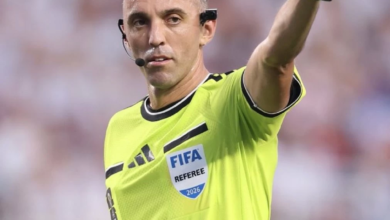
أوضح النادي السوداني العريق في شكواه المفصلة أن حكم الساحة الرئيسي، إلى جانب حكم تقنية الفيديو المساعد (VAR)، كانا السبب المباشر والرئيسي في خسارة الفريق وإقصائه. ووجه الهلال اتهامات صريحة للطاقم بالتحيز الواضح لصالح الفريق الخصم، مؤكداً أن الحكام الذين أداروا اللقاء لم يكونوا مؤهلين بالشكل الكافي لإدارة مباراة بهذا الحجم والأهمية. كما شدد النادي على أنه سبق وأن حذر وطالب بضرورة تعيين حكام يتمتعون بالخبرة، الكفاءة، والمصداقية العالية، وذلك حفاظاً على مبدأ تكافؤ الفرص وعدالة المنافسة، وتجنباً لإهدار جهود الأندية وأموالها.
أخطاء كارثية وتجاوز لبروتوكول التحكيم الدولي
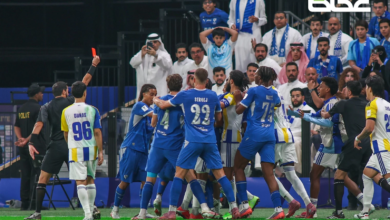
وبيّن الهلال في مذكرته الاحتجاجية أن مخاوفه السابقة لم تؤخذ بعين الاعتبار من قبل لجنة الحكام في الكاف. فقد تم تعيين حكم يفتقر للخبرة الكافية للتعامل مع الضغوط التنافسية. وأرفق النادي مع احتجاجه مقطع فيديو تحليلي يوثق أبرز الحالات التحكيمية الجدلية، مشيراً بشكل خاص إلى احتساب ركلة جزاء غير صحيحة ضد أحد مدافعيه. وأظهرت اللقطات بوضوح أن مهاجم الفريق المنافس هو من بادر بارتكاب المخالفة، مما أدى إلى إصابة بالغة للاعب الهلال استدعت خروجه من الملعب، ورغم ذلك، أصر الحكم على احتساب الركلة.
علاوة على ذلك، انتقد الهلال بشدة الآلية التي تم بها استخدام تقنية الفيديو، معتبراً أنها نُفذت بشكل يخالف البروتوكول المعتمد. ومن أبرز التجاوزات العودة لمراجعة الحالات بعد استئناف اللعب، وهو أمر غير قانوني، بالإضافة إلى التفاوت الكبير وعدم الدقة في احتساب الوقت بدل الضائع مقارنة بالوقت الفعلي الذي أُهدر خلال التوقفات المتكررة.
السياق التاريخي لأزمات التحكيم في أفريقيا
لا تعد هذه الحادثة الأولى من نوعها في القارة السمراء؛ فلطالما عانت الأندية الأفريقية من أزمات تحكيمية متكررة أثرت على مسار البطولات الكبرى. نادي الهلال السوداني، الذي يُعد أحد أعمدة كرة القدم في السودان وأفريقيا، يمتلك تاريخاً طويلاً من المشاركات القارية، وغالباً ما يجد نفسه في مواجهات تتطلب إدارة تحكيمية صارمة. إدخال تقنية الفار إلى الملاعب الأفريقية كان يُنظر إليه كحل جذري لإنهاء هذه الجدليات، إلا أن التطبيق العملي لا يزال يواجه انتقادات حادة بسبب تفاوت مستويات الحكام.
التأثير المتوقع ومطالب التحقيق العاجل
على الصعيد المحلي، أثار هذا الحدث غضباً عارماً بين جماهير الهلال التي اعتبرت أن فريقها تضرر بشكل مباشر. أما على الصعيد الإقليمي، فإن مثل هذه الشكاوى تضع الاتحاد الأفريقي لكرة القدم تحت ضغط كبير لتسريع وتيرة إصلاح منظومة التحكيم، والتي تُعد ركيزة أساسية للحفاظ على سمعة الكرة الأفريقية عالمياً.
واختتم الهلال بيانه بالتأكيد على أن تجاهل الكاف المستمر لشكاوى الأندية يفتح الباب واسعاً أمام قرارات غير منصفة. وطالب النادي بفتح تحقيق فوري وشفاف في أحداث المباراة لضمان نزاهة المنافسات القارية مستقبلاً ومنح كل ذي حق حقه.