Hungary is obstructing sanctions against Russia and making oil pumping a condition

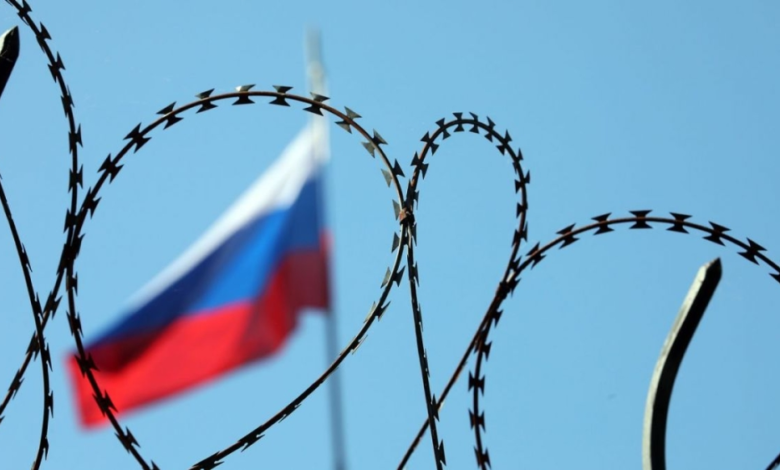
Hungary has officially announced its intention to block the ratification of the twentieth package of sanctions that the European Union intends to impose on Russia, making it conditional on Ukraine resuming oil pumping operations through the main pipeline that feeds the country, in a new escalation step that highlights the divergence in positions within the European bloc.
Budapest's condition: Oil in exchange for sanctions
Hungarian Prime Minister Viktor Orbán reaffirmed his country's opposition to the new round of sanctions unless the energy supply crisis is resolved. In a concise and decisive statement posted on the X platform, Orbán wrote: "No support for sanctions; the 20th package will be rejected." This stance is consistent with Hungary's long-standing policy of being wary of energy measures that could harm its national economy.
For his part, Hungarian Foreign Minister Peter Szijjártó explained the technical and political details of this rejection, noting that his country would not allow any decisive European decisions to be made in favor of Kyiv until Ukraine resumes pumping oil to Hungary and Slovakia via the strategic Druzhba pipeline.
The context of the energy crisis and the background of the "Drogba" line
The Druzhba (Friendship) pipeline is a lifeline for the energy sector in landlocked Central European countries, particularly Hungary, Slovakia, and the Czech Republic. Due to their geography, these countries rely almost entirely on Russian oil transported via pipeline, which previously granted them exemptions from European oil embargoes. A disruption to this pipeline would directly jeopardize their energy security, explaining the strong diplomatic response.
The Ukrainian narrative states that the halt in pumping is not a political decision, but rather the result of material damage to the pipeline's infrastructure caused by Russian airstrikes targeting Ukrainian territory on January 27, which complicates the situation between accusations of political obstruction and the field conditions of the war.
Slovakia enters the fray: threatening to cut off electricity
The escalation wasn't limited to Hungary; Slovakia also joined the crisis. Slovak Prime Minister Robert Fico threatened immediate retaliatory measures, including cutting off emergency electricity supplies to Ukraine, if oil flows were not resumed.
"If Ukrainian President Volodymyr Zelensky asks us to buy oil from non-Russian sources at exorbitant costs, we have the right to respond in kind," Fiko said in a strongly worded statement, adding that he would formally request a halt to electricity supplies on Monday, further straining Ukraine's already war-damaged power grid.
Challenges of European unity and the consensus mechanism
This crisis presents the European Union with a legal and political dilemma, as EU regulations require the unanimous approval of all 27 member states to pass sanctions packages. The proposed twentieth package targets Russia's banking and energy sectors and coincides with the anniversary of the start of the Russian invasion.
The European Commission is also seeking to activate the “anti-coercion instrument” for the first time, with the aim of banning the export of sensitive technology to countries that might re-export it to Moscow. However, a possible Hungarian-Slovak veto could hinder these efforts, demonstrating the fragility of the unified European position in the face of conflicting national interests of member states.