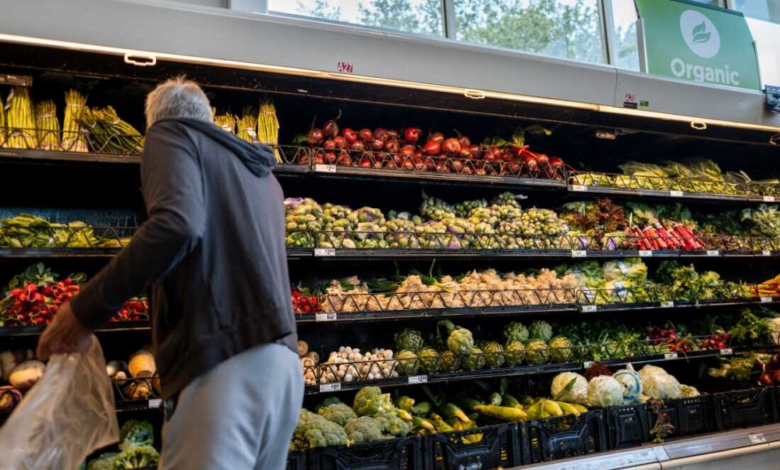

كشف تقرير حديث صادر عن الاحتياطي الفيدرالي في نيويورك عن واقع مثير للقلق، حيث أظهر أن عدد الأسر الأمريكية التي تعاني من الجوع وانعدام الأمن الغذائي قد ارتفع هذا العام ليتجاوز المستويات المسجلة خلال ذروة جائحة كوفيد-19. وتأتي هذه الأرقام الصادمة لتسلط الضوء على التحديات الاقتصادية العميقة التي تواجه شريحة واسعة من المجتمع الأمريكي، حتى مع تعافي الاقتصاد ظاهريًا.
خلفية الأزمة: انتهاء الدعم الحكومي وتأثير التضخم
تعود جذور هذه الزيادة الملحوظة في معدلات الجوع إلى مجموعة من العوامل المتشابكة. فخلال جائحة كورونا، أقرت الحكومة الأمريكية حزم مساعدات اقتصادية ضخمة تضمنت زيادة في إعانات البطالة، وتوسيع برنامج المساعدة الغذائية (SNAP)، وتوزيع شيكات تحفيزية مباشرة على الأسر، بالإضافة إلى الإعفاء الضريبي المعزز للأطفال. هذه الإجراءات ساهمت بشكل كبير في التخفيف من حدة الفقر والجوع خلال فترة الإغلاقات. ولكن مع انتهاء معظم هذه البرامج المؤقتة، وجدت الأسر ذات الدخل المحدود نفسها في مواجهة مباشرة مع واقع اقتصادي صعب، تفاقم بسبب موجة تضخم عالمية أدت إلى ارتفاع حاد في أسعار المواد الغذائية الأساسية والوقود والإيجارات، مما قلص من قدرتها الشرائية بشكل كبير.
نتائج الاستطلاع: أرقام تكشف حجم المعاناة
استند التقرير إلى استطلاع أجري في فبراير وشمل حوالي 1200 من أرباب الأسر في الولايات المتحدة. وأظهرت النتائج أن أكثر من ثلث الأسر (حوالي 33%) اضطرت إلى السحب من مدخراتها لتغطية نفقاتها الأساسية، وهي نسبة أعلى بكثير من تلك المسجلة في يونيو 2020 والتي بلغت 21.8%. والأكثر إثارة للقلق هو أن 10% من الأسر أفادت بأنها لا تملك ما يكفي من الطعام أو أن أطفالها لا يحصلون على وجبات كاملة، وهي زيادة حادة مقارنة بنسبة 4% في يونيو 2020. كما أشار أكثر من 15% من المشاركين إلى أنهم تلقوا تبرعات غذائية من بنوك الطعام أو الجمعيات الخيرية، مقارنة بـ 10.6% خلال فترة الجائحة.
التأثيرات الاجتماعية والاقتصادية المتوقعة
إن ارتفاع معدلات الجوع له تداعيات خطيرة تتجاوز مجرد الشعور بالحرمان. على المستوى المحلي، يؤثر انعدام الأمن الغذائي سلبًا على صحة الأطفال ونموهم العقلي والجسدي، ويقلل من قدرتهم على التحصيل الدراسي. كما يزيد من الضغط على أنظمة الرعاية الصحية والمنظمات غير الربحية وبنوك الطعام التي تكافح لتلبية الطلب المتزايد. وعلى المستوى الوطني، يمثل هذا التحدي مفارقة لدولة تعد أكبر اقتصاد في العالم، ويثير تساؤلات حول فعالية شبكات الأمان الاجتماعي. دوليًا، قد يؤثر هذا الوضع على صورة الولايات المتحدة كقوة اقتصادية كبرى، ويبرز أن التحديات مثل التضخم وعدم المساواة هي قضايا عالمية لا تستثني حتى أغنى الدول.
وأكد فرع الاحتياطي الفيدرالي في نيويورك أن “الزيادة في انعدام الأمن الغذائي كانت ملحوظة بشكل خاص بين الأسر ذات المستوى التعليمي المنخفض والدخل المحدود، وتلك التي لديها أطفال صغار”، مما يشير إلى أن الفئات الأكثر ضعفًا هي التي تتحمل العبء الأكبر من هذه الأزمة الاقتصادية.