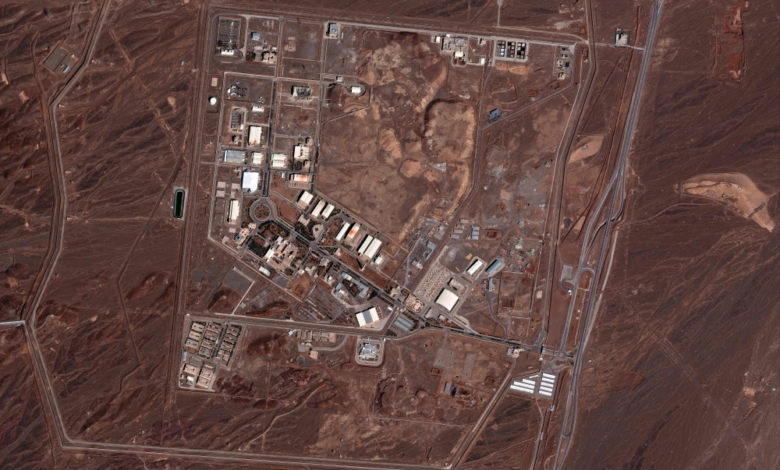

The International Atomic Energy Agency (IAEA), the UN's nuclear watchdog, has confirmed the safety of Iran's nuclear facilities and that they have not sustained any significant damage that could lead to a radioactive leak, following recent attacks in the region. This confirmation has allayed growing international and regional concerns about the potential for an environmental or radiological disaster resulting from the ongoing military escalation.
Analysis of satellite imagery
In an official statement published on the X platform, the agency explained that its assessment was based on a thorough analysis of the latest available satellite imagery. The preliminary findings indicated that facilities containing sensitive nuclear material in Iran were not directly affected. The agency stated: "The IAEA does not see any damage to facilities containing nuclear material in Iran, and therefore there is no risk of radioactive release at this time.".
Although structural damage was observed in two buildings near the Natanz nuclear facility in central Iran, in addition to previously reported damage to entrances, the agency stressed that this damage did not affect the core nuclear operations or the safety of radioactive materials. Reports also confirmed the safety of other strategic nuclear sites, including the Bushehr plant in southern Iran, which is considered the backbone of the country's peaceful nuclear energy program.
The context of regional tensions and the importance of international oversight
This announcement comes at a time of unprecedented geopolitical tensions in the Middle East, where escalating military operations are raising international concerns about the security of energy infrastructure, particularly nuclear facilities. The International Atomic Energy Agency (IAEA) plays a pivotal role in such crises, acting as a neutral and reliable source of accurate information that prevents the spread of rumors that could lead to global panic or disrupt energy markets and the global economy.
Historically, the safety of nuclear facilities has been a red line in armed conflicts under international law, given the potentially catastrophic cross-border consequences of any direct attack on them. The IAEA's confirmation serves as a reassuring message to neighboring countries and the international community that the radiological situation remains under control.
Calls for restraint and avoiding disasters
In concluding the IAEA's official statement, Director General Rafael Grossi reiterated his urgent appeal to all parties involved to exercise "maximum restraint." Grossi warned that any reckless targeting of nuclear facilities could spiral out of control and lead to disastrous consequences, emphasizing the need to keep these sensitive sites out of the military conflict to ensure the safety of the region and the world from the dangers of radioactive contamination.