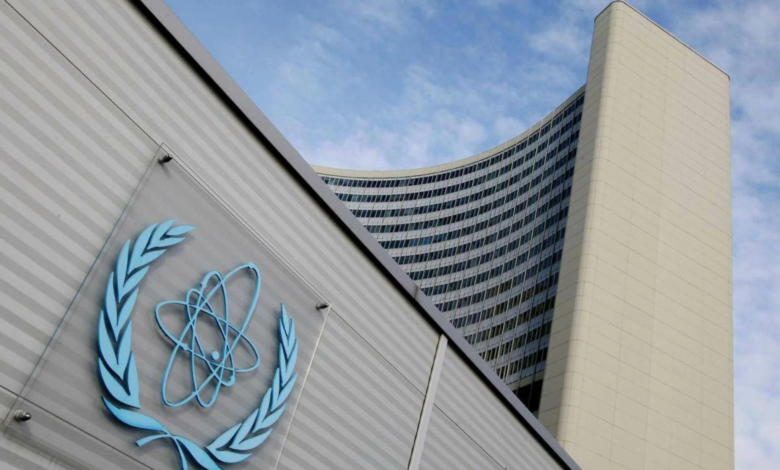

Urgent action from the International Energy Agency to stabilize oil markets
In a crucial move aimed at stabilizing global energy markets, the International Energy Agency ( its member countries to implement a coordinated release of emergency oil reserves . This urgent appeal came during a high-level virtual meeting held today with the finance ministers of the G7 countries. These strategic actions are a response to the sharp market volatility stemming from the repercussions of the war in Iran, which has led to a historic and alarming surge in Brent crude prices, surpassing $119 per barrel, and threatening widespread economic crises if swift intervention is not undertaken.
Details of the G7 meeting and international positions
In this context, Japanese Finance Minister Satsuki Katayama stated during a press briefing today that the International Energy Agency (IEA) has formally requested all participating countries to begin strategic drawdowns of their oil reserves. She emphasized that these efforts are primarily aimed at calming energy markets and curbing the runaway price surge. For his part, IEA Executive Director Fatih Birol reassured markets in an official statement following the meeting, explaining that the current situation is supported by robust reserves; member countries currently hold more than 1.2 billion barrels of public oil stocks, in addition to 600 million barrels of stocks held under strict government commitments.
Despite these clear calls, French Finance Minister Roland Lescure indicated that the G7 had not yet reached the final stage of organizing a coordinated and unified release of emergency oil reserves . However, he emphasized that the group was on high alert and fully prepared to take all necessary measures to ensure the stability of the global oil market and prevent any severe supply shortages.
The historical context of the importance of emergency oil reserves
To understand the profound significance of this event, it is essential to consider the historical context of the International Energy Agency (IEA), which was established in 1974 in response to the global oil crisis of that era. Since its inception, the IEA's primary objective has been to safeguard global energy security through the creation of an emergency oil reserves mechanism. Historically, the agency has only resorted to coordinated releases from these reserves in cases of geopolitical crises or exceptional natural disasters, such as the Gulf War, Hurricane Katrina, and supply disruptions during previous crises. This mechanism serves as a global "safety valve," activated only when supply chains face severe shocks that the market cannot normally absorb.
Expected impact on the local and global economy
The anticipated impact of this event extends far beyond mere figures on trading screens; oil prices exceeding $119 per barrel cast a long shadow over the entire global economy. Internationally, this surge leads to higher inflation rates and increased shipping and transportation costs, directly impacting consumer prices. Regionally and domestically, for energy-importing countries, this spike places immense pressure on government budgets and depletes foreign reserves. Therefore, the success of the coordinated withdrawal plan will be pivotal in curbing global inflation and providing central banks with breathing room, preventing them from resorting to harsh contractionary monetary policies that could trigger a recession.