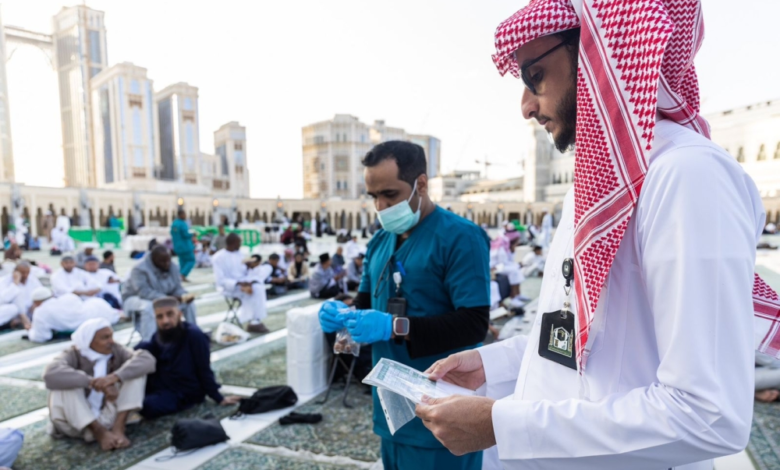

مع حلول غروب شمس كل يوم من أيام شهر رمضان المبارك، يتحول المسجد الحرام في مكة المكرمة إلى أكبر مائدة إفطار جماعي في العالم، في مشهد إيماني مهيب يجسد أسمى معاني التكافل والتراحم. حيث يجتمع مئات الآلاف من المصلين والمعتمرين من شتى بقاع الأرض على سفرة واحدة، تذوب فيها الفوارق وتتجلى فيها روحانية الشهر الفضيل، ضمن منظومة عمل دقيقة تشرف عليها الهيئة العامة للعناية بشؤون الحرمين.
أرقام قياسية تعكس ضخامة الحدث
كشفت البيانات الإحصائية الحديثة عن حجم الجهود الجبارة المبذولة لخدمة ضيوف الرحمن، حيث يسجل شهر رمضان المبارك الذروة السنوية في أعداد وجبات الإفطار. وتشير الأرقام إلى توزيع ما يقارب 220 ألف إلى ربع مليون وجبة يومياً داخل أروقة المسجد الحرام وساحاته خلال الشهر الفضيل. هذا الرقم الضخم يمثل قفزة هائلة مقارنة بالأيام الاعتيادية طوال العام التي يبلغ متوسط الوجبات فيها نحو 7 آلاف وجبة، أو أيام الصيام التطوعي (مثل الاثنين والخميس والأيام البيض) التي يصل فيها المتوسط إلى 35 ألف وجبة.
عمق تاريخي وموروث إسلامي
لا تعد هذه الموائد مجرد وجبات عابرة، بل هي امتداد لموروث إسلامي عريق يُعرف بـ "الرفادة والسقاية"، وهي خدمة الحجاج والمعتمرين التي شرف الله بها أهل مكة منذ القدم. وقد تطورت هذه الخدمة عبر العصور، لتنتقل من الجهود الفردية والعائلية التقليدية إلى عمل مؤسسي منظم يعتمد على أحدث التقنيات ومعايير الجودة والسلامة الغذائية، بما يتوافق مع رؤية المملكة 2030 في تقديم أرقى الخدمات لضيوف الرحمن.
أثر اجتماعي وتنظيم لوجستي مبهر
تتجلى عظمة هذا الحدث في الأثر الاجتماعي الكبير، حيث يعزز أواصر الأخوة بين المسلمين من مختلف الجنسيات. ومن الناحية اللوجستية، يُعد تنظيم هذه الموائد "معجزة تشغيلية"؛ إذ يتم فرش السفر ووضع الطعام ورفعه وتنظيف المكان في دقائق معدودة قبل إقامة الصلاة، لضمان عدم تعطيل حركة الطواف والسعي والصلاة، مما يعكس كفاءة عالية في إدارة الحشود والخدمات.
حوكمة العمل الخيري وتنظيم التصاريح
وفي إطار السعي المستمر لتجويد الخدمة، أعلنت الهيئة العامة للعناية بشؤون المسجد الحرام والمسجد النبوي عن إجراءات تنظيمية استباقية، شملت إغلاق استقبال طلبات تصاريح سفر الإفطار لشهر رمضان لعام 1447هـ، وذلك بعد انتهاء الفترة المخصصة بالتعاون مع منصتي "إحسان" و"نسك". وتهدف هذه الخطوة إلى ضمان أعلى معايير الحوكمة والشفافية.
وقد حددت الهيئة ضوابط دقيقة للمساهمين، حيث يقتصر تنظيم الإفطار للأفراد على سفرة واحدة (25 أو 50 وجبة)، بينما يبدأ الحد الأدنى للمنظمات غير الربحية من 10 سفر، مع اشتراط السداد الإلكتروني عبر منصة "إحسان"، لضمان أن تشمل تكلفة الوجبة التنفيذ الكامل والخدمة، مما يوفر بيئة تعبدية آمنة ومريحة للمصلين.