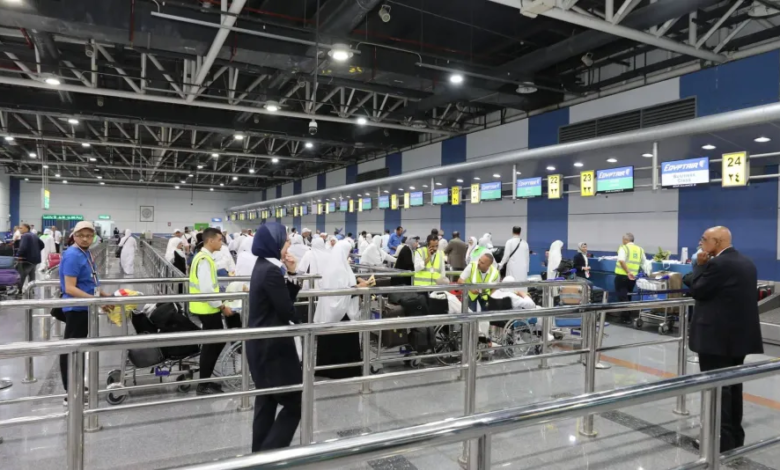

The escalating tensions in the Middle East, particularly the scenarios involving the potential outbreak of war or military escalation with Iran, pose a difficult reality and numerous challenges for Egyptian migrant workers in the Gulf states. Discussions about geopolitical risks are no longer mere political analysis; they have become a daily concern that impacts the livelihoods of millions of Egyptians who consider the Gulf states a safe haven for securing their economic future.
The economic importance of Egyptian labor in the Gulf
Remittances from Egyptians working abroad, the majority of which come from the Gulf Cooperation Council (GCC) countries (especially Saudi Arabia, the UAE, and Kuwait), are a crucial source of foreign currency for the Egyptian economy. In times of global economic crisis, these remittances represent a lifeline for millions of families in Egypt. Therefore, any security or military instability in the Gulf region, whether due to Iranian threats or regional skirmishes, has an immediate and direct impact on the stability of this workforce and, consequently, on the Egyptian economy as a whole.
The geopolitical context and its impact on markets
Historically, labor markets in the Gulf have been linked to oil prices and the stability of navigation in the Strait of Hormuz. The constant threats to close the strait or target oil facilities keep the region's economies on edge. This caution translates economically into a reduction in new projects and a freeze on expansion plans in the construction and services sectors, which employ the largest concentration of Egyptian workers. When capital is threatened, downsizing or halting new hiring is often the first course of action for companies.
Historical background and renewed concerns
This situation is not entirely new; Egyptian workers experienced similar situations during the first and second Gulf Wars, when hundreds of thousands were forced to return home, placing immense pressure on Egypt. Today, with the evolution of warfare tactics and the introduction of drones and ballistic missiles as cross-border threats, concerns have grown that civilian and economic infrastructure could be targeted, endangering the physical safety of workers, not just their job security.
Future outlook
This reality compels the relevant governments to develop contingency plans to protect workers' rights and ensure safe pathways should the situation worsen. It also underscores the urgent need to diversify the Egyptian economy's sources of income to reduce its over-reliance on remittances, which remain vulnerable to political and security fluctuations in the region.