The industry conducts 311 inspection tours of mining sites, with the Eastern Province leading the way

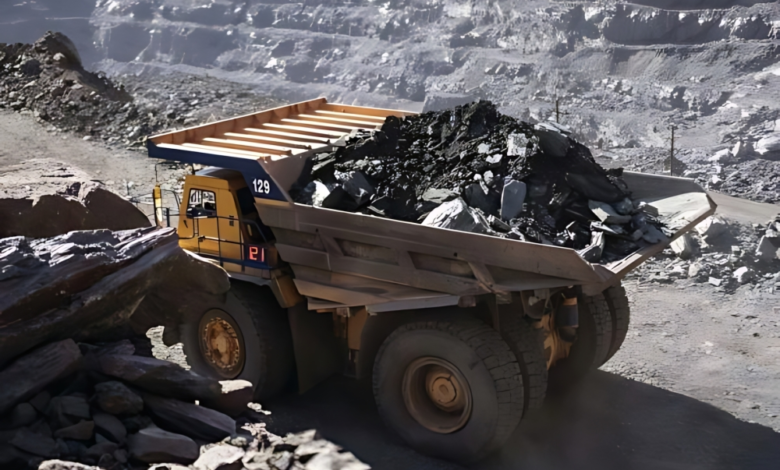
As part of its ongoing efforts to regulate the mining sector and ensure investors comply with regulations, the Ministry of Industry and Mineral Resources, represented by the Agency for Supervision of Mining Operations, announced the implementation of 311 intensive monitoring tours of a number of mining sites in various regions of the Kingdom of Saudi Arabia during December 2025. These field actions come as a confirmation of the Ministry’s supervisory role in protecting national resources and enhancing the investment environment in the sector.
Details of inspection tours and their geographical distribution
The official spokesperson for the Ministry of Industry and Mineral Resources, Jarrah Al-Jarrah, revealed the geographical distribution of these inspection tours. The Eastern Province topped the list with 92 inspection tours, followed by the Riyadh region with 85, and the Asir region with 51. The tours also included the Madinah region with 42 field visits, the Tabuk region with 18, Makkah with 9, Hail with 6, Najran with 5, and one tour each in Jazan, Al-Baha, and Al-Jawf.
The third pillar of national industry and Vision 2030
These inspection tours are of paramount strategic importance, extending far beyond simply monitoring violations. The mining sector is considered the third pillar of national industry, according to the objectives of the Kingdom's Vision 2030, alongside oil, gas, and petrochemicals. Through these decisive measures, the Kingdom seeks to maximize the value derived from its mineral resources, estimated at approximately 9.3 trillion Saudi riyals, distributed across more than 5,300 sites throughout the country. This initiative aims to diversify national income sources and develop non-oil revenues, thereby strengthening the resilience of the Saudi economy.
Promoting compliance and protecting the environment and communities
The Ministry affirmed that these inspection tours primarily aim to ensure that mining facilities comply with the mining investment regulations, emphasizing the principle of "warning before imposing penalties" upon initial detection of violations. This reflects a corrective approach designed to raise awareness among investors. The Ministry also stressed its commitment to continuing these tours to protect the sector from irregular practices, ensure the optimal exploitation of resources, and safeguard communities adjacent to mining areas from any environmental or health hazards, in accordance with stringent environmental sustainability standards.
Economic and investment impact
Compliance with mining regulations is a crucial factor in attracting foreign and domestic investment, as investors always seek a clear and stable legislative environment. Through effective oversight, the Kingdom ensures a fair and competitive environment that supports the growth of supply chains for critical and strategic minerals, aligning with global trends toward clean energy and advanced industries that rely heavily on the output of this vital sector.