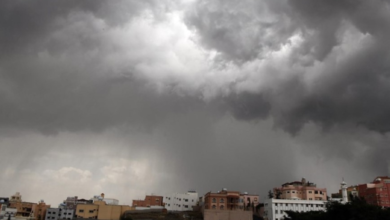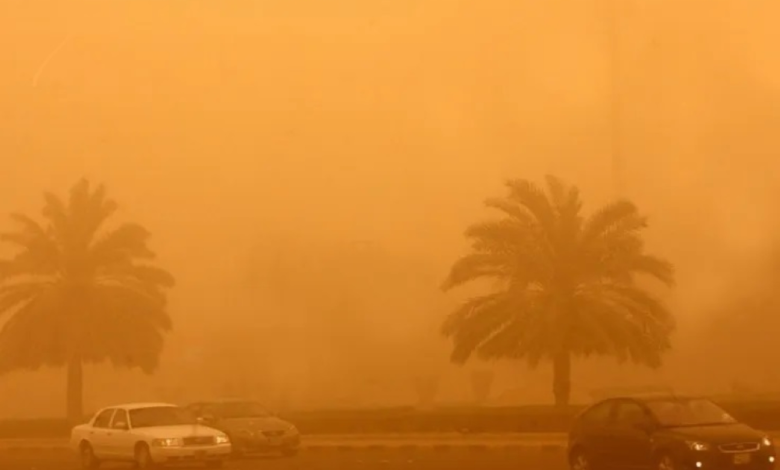
Dust levels in Saudi Arabia rose by 24% during January 2026, with Al-Jawf leading the way

Recent weather reports in Saudi Arabia have revealed significant climate changes at the start of the year, with the Kingdom recording a notable increase in dust storms, reaching 24% during January 2026 compared to the usual historical averages for this time of year. This increase encompassed various forms of dust-related weather phenomena, including dust and sandstorms, suspended dust, and blowing dust, according to data issued by the Regional Center for Dust and Sandstorms.
Causes of climate change and distribution of percentages
The Regional Center for Dust and Sandstorms attributed this noticeable increase to the influence of cold northerly air masses on the Kingdom's atmosphere, coinciding with strong and continuous northerly and northwesterly winds. This dynamic wind activity directly contributed to stirring up dust and sand, resulting in an increased number of days with dust storms compared to previous years.
In detailing the geographical distribution of these cases, the data showed that Al-Jawf region was the most affected, recording a significant jump in dust activity, reaching 163% above its historical averages—a record high that warrants attention. The Central region came in second, with the cities of Riyadh, Dawadmi, and Al-Kharj experiencing a 42% increase, while the Eastern region, including Al-Ahsa and Hafr Al-Batin, recorded a 13% increase.
Environmental context and the effects of dust storms
Dust storms are a common natural phenomenon in the Arabian Peninsula due to its desert environment and relative aridity. However, their increased frequency and intensity may carry significant environmental and climatic implications. These storms directly impact several vital sectors, most notably land and air transport, due to reduced horizontal visibility, necessitating heightened vigilance.
Furthermore, the health impact stands out as one of the most significant challenges associated with these dust storms, as increased dust concentration in the air exacerbates the suffering of those with respiratory illnesses, asthma, and allergies. Therefore, accurately monitoring these levels is a crucial step to enable health authorities to prepare and provide preventative advice to citizens and residents to minimize direct exposure to dusty conditions.
The role of the regional center and early warning
The Regional Center for Dust and Sandstorms confirmed that issuing these precise indicators is part of the Kingdom's ongoing climate monitoring and analysis efforts. These efforts aim to strengthen early warning systems, enabling relevant authorities to enhance their preparedness for dealing with emergencies.
Through these specialized centers, the Kingdom seeks to reduce the negative impacts of dust storms on public health and economic and daily activities, thereby enhancing environmental safety and supporting the quality of life in various regions, in line with the environmental initiatives adopted by the Kingdom to reduce the effects of climate change and desertification.