Merih Demiral returns to Al-Ahli Saudi's defense against Al-Riyadh after injury

The technical staff of Al-Ahli Saudi FC received a huge morale and tactical boost with the confirmation that Turkish international defender Merih Demiral is fit to participate in official matches, starting with tonight's game against Al-Riyadh. This return comes after a long absence of 35 days, during which the team suffered from the absence of one of its key defensive players due to a muscle injury sustained during the 24th round of the Saudi Professional League.
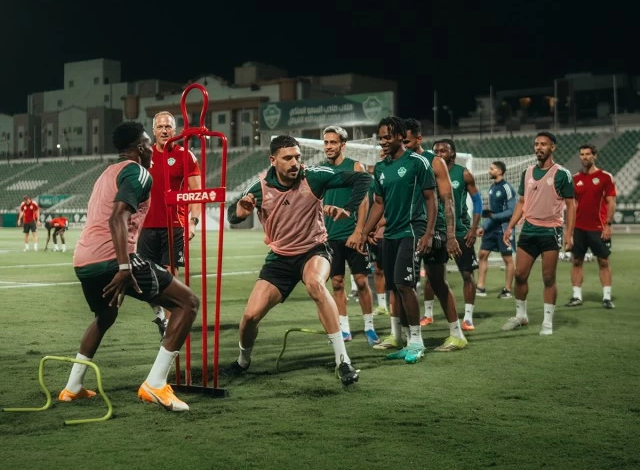
Over the past five weeks, the Turkish defender has undergone an intensive and meticulous treatment and rehabilitation program, designed and monitored under the direct supervision of the club's head of medical staff, Dr. Mubarak Al-Mutawa. The program included several phases, beginning with physiotherapy, progressing to strength training, and culminating in ball work, all aimed at ensuring the player regains full physical and technical fitness and avoiding any potential setbacks before being cleared to rejoin group training and participate in competitive matches.
Demiral's artistic value and its impact on the sophisticated
Demiral's return carries special significance that goes beyond simply bringing back an injured player. The Turkish star, who has graced European pitches, particularly in the Italian league with giants like Juventus and Atalanta, represents a significant asset to Al-Ahli's defense. Demiral is characterized by his high fighting spirit and exceptional ability in both aerial and ground duels, giving Al-Ahli's defense a solidity that was lacking during his absence. His extensive international experience is also a crucial factor in guiding his teammates on the field.
The timing of the return and the importance of this phase
The return of the Turkish defensive rock comes at a crucial time in the season, as Al-Ahli strives to solidify its position at the top of the Roshan League table and secure a spot in next season's Asian continental competitions. The remaining matches are considered cup finals for the Jeddah-based club, making the presence of experienced players like Demiral essential to ensure defensive stability and minimize errors that could cost the team valuable points.
Demiral’s participation against Al-Riyadh today is expected to be a strong addition to the defensive system that the coach relies on, especially in light of the strong desire to achieve victory and collect the three points, to continue the journey towards achieving the goals of the season and to please the large Al-Ahli fans who have been eagerly awaiting the return of their star.