
أصدر المركز الوطني للوقاية من الآفات النباتية والأمراض الحيوانية «وقاء» تحذيراً شديد اللهجة للمزارعين والمهتمين بالبيئة، من الانتشار السريع والخطير لـ نبتة الحلفاء الغازية في عدة مناطق داخل المملكة العربية السعودية. ودعا المركز إلى ضرورة التكاتف وتطبيق إجراءات مكافحة متكاملة وصارمة لحماية الغطاء النباتي والبيئة الزراعية من الأضرار البيئية والاقتصادية الفادحة التي تسببها هذه العشبة.
السياق العالمي والمحلي لخطورة نبتة الحلفاء
تُصنف نبتة الحلفاء (المعروفة علمياً باسم Imperata cylindrica) عالمياً كواحدة من أسوأ الحشائش الغازية على كوكب الأرض. تاريخياً، استوطنت هذه النبتة مساحات شاسعة في قارات مختلفة، متسببة في خسائر فادحة للقطاعات الزراعية. وتكمن خطورتها في قدرتها الفائقة على التكيف مع مختلف الظروف المناخية، ومنافستها الشرسة للنباتات المحلية والمحاصيل الزراعية على المياه والعناصر الغذائية، وهو ما يمثل تحدياً كبيراً في البيئات الجافة وشبه الجافة.
على المستوى المحلي، يأتي تحذير مركز «وقاء» متزامناً مع الجهود الوطنية الكبرى المتمثلة في مبادرة السعودية الخضراء ورؤية المملكة 2030، والتي تهدف إلى زيادة الرقعة الخضراء ومكافحة التصحر. إن انتشار الأنواع الغازية مثل الحلفاء يهدد هذه الجهود بشكل مباشر، حيث تقضي على التنوع البيولوجي المحلي وتعيق نمو النباتات الفطرية الأصيلة.
خصائص النبتة وآلية انتشارها المدمرة
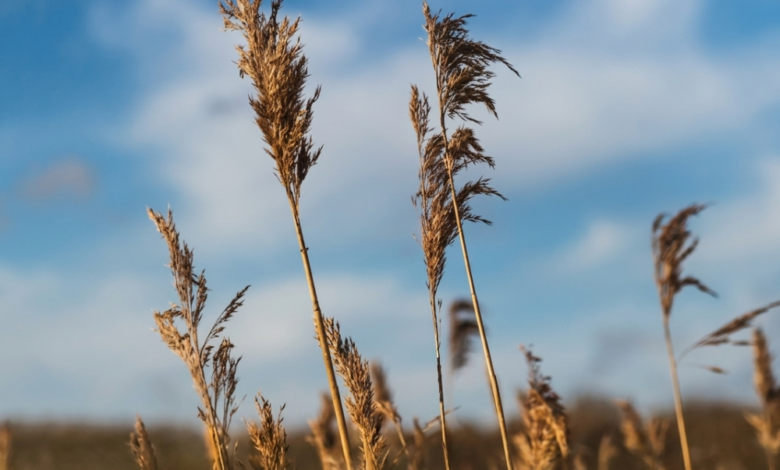
كشف الخبراء في مركز «وقاء» أن هذه العشبة المعمّرة تمتلك خصائص بيولوجية تجعل من الصعب القضاء عليها بالطرق التقليدية. فهي تمتلك سيقاناً جذرية زاحفة (رايزومات) تمتد عميقاً تحت سطح التربة، وأوراقاً حادة الأطراف، وتتميز بمظهر خادع وجذاب من خلال سنابل زهرية بيضاء فضية اللون.
وأوضح المركز أن خطورة النبتة تتضاعف بسبب آلية انتشارها المزدوجة؛ فهي تعتمد على الرياح لنقل بذورها الخفيفة لمسافات شاسعة، مما يسمح لها باستيطان مساحات زراعية وبرية جديدة بكثافة عالية وفي وقت قياسي، لتشكل ما يشبه السجاد الكثيف الذي يخنق ما تحته من نباتات.
استراتيجيات المكافحة المتكاملة والتحذير من الممارسات الخاطئة
حذّر المركز بشدة من بعض الممارسات الزراعية الخاطئة، وعلى رأسها عمليات الحراثة العشوائية. فالحراثة تؤدي إلى تفتيت «الريزومات» الجذرية إلى قطع صغيرة، وكل قطعة قادرة على النمو لتصبح نبتة جديدة، مما يؤدي إلى نتائج عكسية وانتشار أسرع وأوسع للعشبة في الأراضي الخصبة.
ولكبح جماح هذا التمدد، أوصى «وقاء» بتطبيق حزمة من إجراءات المكافحة المتكاملة، والتي تشمل:
- المكافحة الميكانيكية: وتعتمد على التدخل المبكر لتدمير النباتات قبل بلوغها مرحلة الإزهار والنمو الكامل، وذلك عبر القلع المباشر والإزالة المستمرة من الجذور، مع ضرورة تكرار هذه العملية بانتظام لضمان استنزاف الغذاء المخزن في الجذور.
- المكافحة الكيميائية: تُعد مساراً موازياً وحاسماً، وتعتمد على استخدام مبيدات عشبية جهازية متخصصة، أبرزها مبيد «جلايفوسات» (Glyphosate). ويجب تطبيق هذا المبيد خلال فترات النمو النشط للنبات لضمان انتقال المادة الفعالة إلى الجذور والقضاء عليها تماماً.
التأثير الصحي والبيئي ودعوة للمشاركة المجتمعية
في سياق متصل، طمأن المركز الوطني للوقاية من الآفات النباتية المواطنين والمقيمين بأنه لا توجد أضرار صحية مباشرة أو سمية لنبتة الحلفاء على صحة الإنسان. ومع ذلك، استدرك المركز مؤكداً أن تداعياتها السلبية تنعكس بشدة على التوازن البيئي، حيث تدمر التنوع الأحيائي وتغير من طبيعة الغطاء النباتي المحلي.
وفي ختام بيانه، وجه مركز «وقاء» نداءً عاجلاً لجميع المزارعين، وأصحاب المزارع، والمهتمين بالقطاع الزراعي والبيئي، بضرورة توحيد الجهود والمبادرة الفورية بالإبلاغ عن أي مواقع يُرصد فيها انتشار لهذه النبتة الغازية. هذا التعاون المجتمعي يُعد ركيزة أساسية لدعم برامج الرصد والمتابعة المعتمدة، وتسهيل التدخل السريع للجهات المختصة لحماية مقدرات الوطن الزراعية والبيئية.