
مقدمة: تطورات استراتيجية في مضيق هرمز
في تطور جيوسياسي لافت يحمل دلالات سياسية واستراتيجية عميقة، أفادت وسائل إعلام إيرانية رسمية بأن القوات البحرية الإيرانية قد سمحت لمجموعة من السفن الصينية بعبور مضيق هرمز الاستراتيجي. هذا الحدث، الذي بدأ مساء الأربعاء، يكتسب أهمية مضاعفة نظراً لتزامنه مع الزيارة الرسمية التي يقوم بها الرئيس الأمريكي دونالد ترامب إلى العاصمة الصينية بكين، مما يضفي أبعاداً دولية على حركة الملاحة في هذا الممر المائي الحيوي.
تفاصيل عبور السفن الصينية لمضيق هرمز
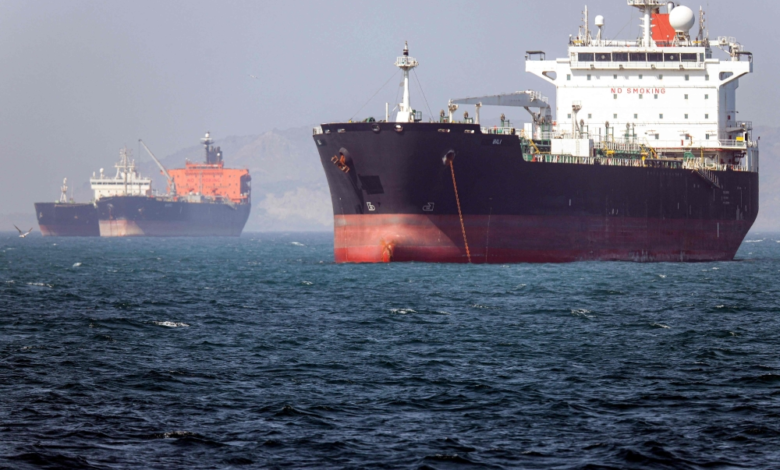
ووفقاً لما نقلته وكالة “تسنيم” الإيرانية للأنباء، فقد سُمح لعدد من السفن الصينية بعبور مضيق هرمز بموجب بروتوكولات عبور بحرية تديرها وتُشرف عليها السلطات الإيرانية. وأوضحت الوكالة أن هذا العبور جاء بناءً على طلب رسمي تقدمت به بكين، وقد تم تفعيله بعد التوصل إلى تفاهم مشترك بشأن بروتوكولات الإدارة الإيرانية للملاحة في تلك المنطقة الحساسة. وفي سياق متصل، أوردت وكالة “فارس” الإيرانية معلومات مماثلة، بينما أشار التلفزيون الرسمي الإيراني إلى أن التصريح شمل عبور “أكثر من 30 سفينة”، دون أن يوضح بشكل قاطع ما إذا كانت جميع هذه السفن تحمل العلم الصيني أم أن هناك سفناً تجارية أخرى مرافقة ضمن القافلة البحرية.
التزامن مع زيارة ترامب للصين وتأثيره الدولي
تأتي هذه الخطوة في توقيت بالغ الحساسية، حيث تتزامن مع تواجد الرئيس الأمريكي دونالد ترامب في الصين وعقده مباحثات مكثفة مع نظيره الصيني شي جين بينغ. وقد تطرقت هذه المباحثات يوم الخميس إلى ملفات دولية شائكة ومعقدة، كان من أبرزها التوترات القائمة مع طهران والسياسات الأمريكية تجاهها، والتي وصلت إلى حد التلويح بالخيار العسكري أو ما وُصف بـ “الحرب على إيران”. هذا التزامن يبعث برسائل سياسية واضحة مفادها أن بكين وطهران تنسقان خطواتهما في ظل الضغوط الأمريكية المستمرة على كلا البلدين.
الأهمية الاستراتيجية لمضيق هرمز
لفهم أبعاد هذا الحدث، لا بد من النظر إلى الأهمية الاستراتيجية والتاريخية لمضيق هرمز. يُعد هذا المضيق واحداً من أهم الممرات المائية في العالم، حيث يربط بين الخليج العربي وخليج عمان وبحر العرب. وتكمن أهميته القصوى في كونه الشريان الرئيسي لتدفق إمدادات الطاقة العالمية، حيث يمر عبره نحو خُمس استهلاك العالم من النفط الخام. تاريخياً، لطالما استخدمت إيران موقعها الجغرافي المطل على المضيق كورقة ضغط في صراعاتها مع القوى الغربية، مؤكدة مراراً قدرتها على التحكم في حركة الملاحة إذا ما تعرضت مصالحها القومية للخطر.
التداعيات الإقليمية والدولية المتوقعة
على الصعيد الإقليمي والدولي، يحمل عبور هذه القافلة البحرية الصينية الضخمة بتنسيق مباشر مع طهران تداعيات هامة. إقليمياً، يعزز هذا الحدث من صورة إيران كقوة إقليمية قادرة على إدارة وتنظيم حركة الملاحة لأكبر القوى العالمية في مياه الخليج. أما دولياً، فإنه يعكس تنامي النفوذ الصيني في منطقة الشرق الأوسط، وتحديداً في المياه الدافئة التي طالما اعتُبرت منطقة نفوذ أمريكية. كما يؤكد على عمق الشراكة الاستراتيجية بين بكين وطهران، والتي تشمل مجالات الطاقة والتجارة والتعاون العسكري، مما يشكل تحدياً مباشراً لسياسة العقوبات التي تفرضها واشنطن.
خلاصة المشهد الجيوسياسي
في الختام، يمثل السماح بعبور السفن الصينية لمضيق هرمز في هذا التوقيت الدقيق أكثر من مجرد إجراء ملاحي روتيني؛ بل هو استعراض للقوة وتأكيد على التحالفات الاستراتيجية الجديدة التي تتشكل في الساحة الدولية. ومع استمرار التوترات بين واشنطن من جهة، وبكين وطهران من جهة أخرى، يبقى مضيق هرمز بؤرة اهتمام عالمية، حيث تتشابك فيه المصالح الاقتصادية مع الصراعات الجيوسياسية، مما يجعل أي تحرك فيه محط أنظار ومتابعة حثيثة من قبل المجتمع الدولي بأسره.