
مقدمة: الاستعدادات العسكرية الإيرانية في ظل التوترات
في ظل التصعيد المستمر والتوترات الجيوسياسية التي تعصف بمنطقة الشرق الأوسط، تشير التقارير والتحليلات العسكرية إلى أن إيران تتحسب لعمليات برية محتملة قد تستهدف أمنها القومي أو مصالحها الاستراتيجية. يأتي هذا التوجه ضمن استراتيجية دفاعية شاملة تتبناها طهران لمواجهة التهديدات المتزايدة، سواء من قبل القوى الإقليمية أو الدولية. وتعمل القيادة العسكرية الإيرانية، ممثلة في الجيش النظامي والحرس الثوري، على رفع حالة التأهب وتعزيز التحصينات على الحدود، تحسباً لأي سيناريوهات عسكرية قد تتطور إلى مواجهات برية مباشرة.
السياق العام والخلفية التاريخية للعقيدة الدفاعية الإيرانية
لفهم طبيعة التحركات الإيرانية الحالية، يجب النظر إلى الخلفية التاريخية التي شكلت العقيدة العسكرية للبلاد. تعتبر الحرب العراقية الإيرانية (1980-1988) الحدث الأبرز الذي صاغ الفكر العسكري الإيراني الحديث. تلك الحرب التي استمرت لثماني سنوات وشهدت معارك برية طاحنة، جعلت طهران تدرك الأهمية القصوى لتأمين حدودها البرية الشاسعة التي تتشاركها مع عدة دول ذات بيئات أمنية معقدة. ومنذ ذلك الحين، ركزت إيران على تطوير قدراتها الصاروخية غير المتماثلة، بالتوازي مع تعزيز قواتها البرية وتدريبها على حروب العصابات والدفاع المستميت عن الأراضي، لضمان عدم تكرار سيناريو الاختراقات البرية المفاجئة.
التهديدات الحالية وتأمين الحدود
تتعدد الجبهات التي تثير قلق صانع القرار الإيراني. ففي الشمال الغربي، تراقب إيران بحذر نشاط الجماعات الانفصالية، وقد نفذت بالفعل عمليات عسكرية محدودة لتأمين تلك المناطق. وفي الجنوب الشرقي، تشكل التوترات على الحدود مع باكستان وأفغانستان تحدياً أمنياً مستمراً بسبب نشاط الجماعات المسلحة وعصابات التهريب. علاوة على ذلك، فإن التواجد العسكري الأجنبي في المنطقة، والتوترات المتصاعدة مع إسرائيل، تدفع طهران إلى وضع خطط طوارئ للتعامل مع أي تصعيد قد يتجاوز الضربات الجوية أو الصاروخية ليصل إلى عمليات برية، سواء كانت توغلات محدودة أو عمليات تستهدف البنية التحتية الحساسة.
التأثير المتوقع للتحركات الإيرانية
التأثير المحلي
على الصعيد الداخلي، يؤدي هذا الاستنفار العسكري إلى توجيه جزء كبير من الموارد الوطنية نحو قطاع الدفاع، مما يفرض ضغوطاً إضافية على الاقتصاد الإيراني الذي يعاني بالفعل من وطأة العقوبات الدولية. ومع ذلك، تستخدم الحكومة هذه التهديدات لتعزيز التلاحم الوطني وتبرير الإجراءات الأمنية الصارمة في الداخل للحفاظ على الاستقرار.
التأثير الإقليمي
إقليمياً، تثير الاستعدادات الإيرانية قلق الدول المجاورة. أي تصعيد عسكري أو عمليات برية في المنطقة قد يؤدي إلى زعزعة استقرار دول الجوار، وتدفق اللاجئين، وتعطيل حركة التجارة. كما أن ارتباط إيران بشبكة من التحالفات الإقليمية يعني أن أي مواجهة برية قد تتسع رقعتها لتشمل عدة جبهات، مما يهدد بإشعال أزمة إقليمية واسعة النطاق تؤثر على أمن الشرق الأوسط ككل.
التأثير الدولي
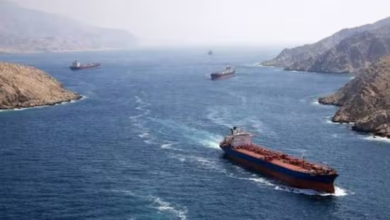
دولياً، يحمل أي صراع بري يشمل إيران تداعيات كارثية على الاقتصاد العالمي. تعتبر المنطقة شرياناً حيوياً لإمدادات الطاقة العالمية، وأي تهديد لأمن الملاحة في مضيق هرمز أو تعطيل لإنتاج النفط سيؤدي إلى ارتفاع ملحوظ في أسعار الطاقة. بالإضافة إلى ذلك، فإن انخراط قوى كبرى في المشهد قد يحول الصراع إلى أزمة دولية معقدة تهدد السلم والأمن العالميين وتؤثر على سلاسل الإمداد العالمية.
خاتمة
في الختام، إن تحسب إيران لعمليات برية ليس مجرد رد فعل مؤقت، بل هو انعكاس لحالة عدم اليقين الاستراتيجي في الشرق الأوسط. طهران تدرك أن الردع العسكري والاستعداد الميداني هما خياراها الأساسيان للحفاظ على أمنها القومي، مما يجعل المنطقة بأسرها تترقب بحذر مآلات هذا التوتر المستمر وتأثيراته المستقبلية.