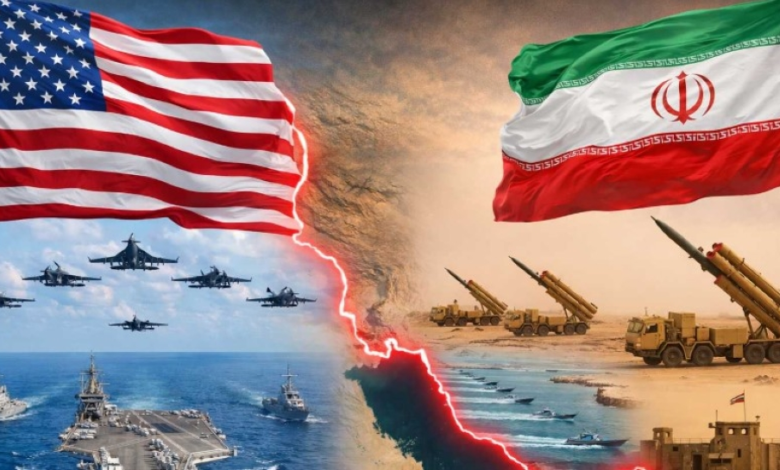

أعلنت وزارة الخارجية الإيرانية عن عدم التوصل إلى أي اتفاق رسمي مع الولايات المتحدة الأمريكية حتى الآن، نافيةً بذلك التقارير الإعلامية التي أشارت إلى قرب التوصل إلى تفاهمات بين البلدين. وأكدت الوزارة أن المباحثات الحالية، التي تتم غالبًا عبر وسطاء، تركز بشكل أساسي على سبل إنهاء الحرب في المنطقة وخفض التصعيد، مشيرة إلى أن الملف النووي ليس محور النقاش في هذه المرحلة.
سياق المفاوضات والخلفية التاريخية
تأتي هذه التصريحات في ظل استمرار حالة من التوتر المعقد بين طهران وواشنطن، والتي تعود جذورها إلى عقود طويلة. وشهدت العلاقات فصلاً مهماً في عام 2015 مع توقيع خطة العمل الشاملة المشتركة (الاتفاق النووي)، التي هدفت إلى تقييد برنامج إيران النووي مقابل رفع العقوبات الاقتصادية عنها. إلا أن انسحاب الولايات المتحدة من الاتفاق بشكل أحادي في عام 2018 في عهد إدارة الرئيس السابق دونالد ترامب، وإعادة فرض عقوبات قاسية، أعاد العلاقات إلى مربع التوتر الشديد. ومنذ ذلك الحين، تسعى الأطراف الدولية والإقليمية إلى إيجاد صيغة دبلوماسية لإحياء الاتفاق أو التوصل إلى تفاهمات جديدة تضمن عدم انزلاق المنطقة إلى مواجهة أوسع.
أهمية الحدث وتأثيره المتوقع
يحمل النفي الإيراني دلالات متعددة على الصعيدين الإقليمي والدولي. داخليًا، قد يكون التصريح موجهًا للتيارات السياسية المحافظة في إيران الرافضة لأي تقارب مع واشنطن. أما على الصعيد الإقليمي، فإن تأكيد طهران على أن المحادثات تركز على “إنهاء الحرب” يعكس الأولوية الجديدة التي فرضتها التطورات في غزة منذ أكتوبر 2023. فالتوترات المتصاعدة في البحر الأحمر عبر هجمات الحوثيين، والمناوشات على الحدود اللبنانية الإسرائيلية، جعلت من خفض التصعيد هدفًا رئيسيًا للولايات المتحدة والمجتمع الدولي، وهو ما يضع المحادثات مع إيران في صميم هذه الجهود الدبلوماسية.
وعلى الرغم من النفي الرسمي لوجود “اتفاق” مكتوب، يرى مراقبون أن قنوات الاتصال غير المباشرة بين الطرفين، والتي غالبًا ما تستضيفها سلطنة عمان وقطر، تهدف إلى التوصل إلى “تفاهمات غير رسمية” لمنع تفاقم الأوضاع. وتشمل هذه التفاهمات المحتملة خطوات متبادلة، مثل قيام إيران بكبح جماح حلفائها في المنطقة مقابل تخفيف جزئي لبعض الضغوط الاقتصادية. ويبقى التوصل إلى اتفاق نهائي وشامل مرهونًا بمدى قدرة الطرفين على بناء الثقة وتجاوز المطالب التي يعتبرها كل طرف أساسية، وهو ما يبدو صعب المنال في المدى المنظور.