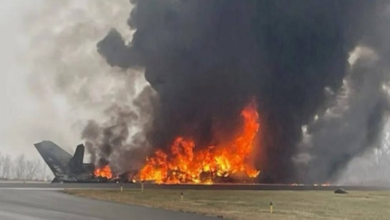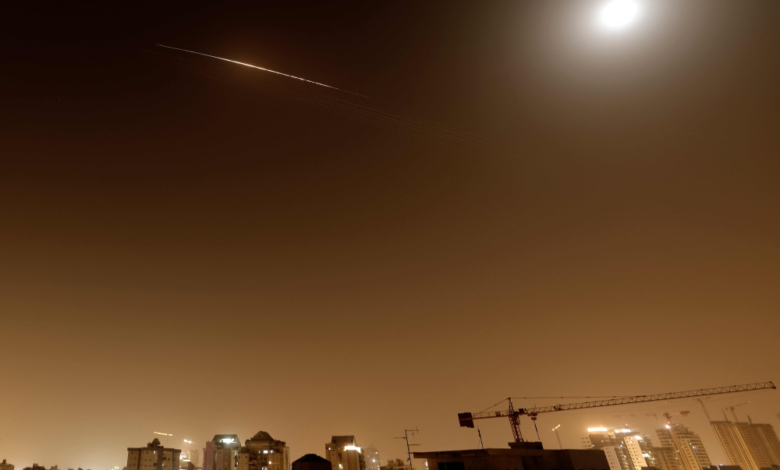

شهدت منطقة الشرق الأوسط تصعيداً عسكرياً خطيراً، حيث أفادت تقارير إعلامية ومصادر ميدانية عن سماع دوي سلسلة من الانفجارات العنيفة في أجواء مدينة القدس المحتلة. وأكد صحافيون عاملون في وكالة “فرانس برس” سماع دوي ستة انفجارات على الأقل في سماء المدينة، وذلك بالتزامن مع إعلان جيش الاحتلال الإسرائيلي عن رصد إطلاق موجة من الصواريخ من الأراضي الإيرانية باتجاه إسرائيل.
إصابات وأضرار مادية في تل أبيب
وفي سياق متصل بالتصعيد الميداني، أعلنت خدمات الإسعاف الإسرائيلية عن تسجيل إصابات في صفوف الإسرائيليين. وأكدت التقارير الطبية إصابة خمسة أشخاص بجروح متفاوتة في منطقة تل أبيب ومناطق أخرى متفرقة داخل الأراضي المحتلة. وجاءت هذه الإصابات نتيجة عمليات إطلاق صاروخية وقعت في وقت سابق، والتي أسفرت أيضاً عن وقوع أضرار مادية في بعض الممتلكات والبنى التحتية.
تحذيرات أمريكية حازمة: ترامب يوجه رسالة شديدة اللهجة
على الصعيد السياسي والدولي، دخل الرئيس الأمريكي دونالد ترامب على خط الأزمة بتصريحات تصعيدية. فقد ذكّر ترامب القيادة الإيرانية بأنه لم يتبقَ سوى 48 ساعة من المهلة الزمنية التي حددها مسبقاً، والتي تبلغ عشرة أيام، لإبرام اتفاق يضع حداً للحرب المتواصلة منذ أكثر من شهر. وكتب ترامب عبر حسابه الرسمي على منصة “تروث سوشيال”: “أتذكرون حين أمهلت إيران عشرة أيام لإبرام اتفاق أو فتح مضيق هرمز؟ الوقت ينفد، تتبقى 48 ساعة قبل أن ينزل عليهم الجحيم!”.
السياق التاريخي للصراع المباشر بين طهران وتل أبيب
يأتي هذا التطور الخطير في ظل سياق تاريخي مشحون بالتوترات غير المسبوقة بين إيران وإسرائيل. فمنذ اندلاع الحرب في قطاع غزة، اتسعت رقعة المواجهات لتشمل جبهات متعددة. وقد شهدت الأشهر الماضية تحولاً استراتيجياً في قواعد الاشتباك، حيث انتقلت إيران إلى توجيه ضربات عسكرية مباشرة نحو العمق الإسرائيلي، كما حدث في الهجمات الصاروخية السابقة التي استخدمت فيها طهران مئات الطائرات المسيرة والصواريخ الباليستية رداً على استهداف مصالحها واغتيال شخصيات بارزة متحالفة معها.
التداعيات الإقليمية والدولية وأهمية مضيق هرمز
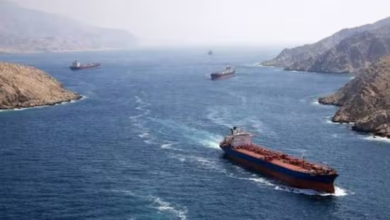
يحمل هذا الحدث أهمية كبرى وتأثيرات بالغة الخطورة على المستويين الإقليمي والدولي. محلياً وإقليمياً، يزيد هذا التصعيد من احتمالات انزلاق منطقة الشرق الأوسط نحو حرب إقليمية شاملة قد تجر إليها أطرافاً دولية. أما على الصعيد الدولي، فإن التهديدات المتعلقة بإغلاق مضيق هرمز تمثل تحدياً كبيراً للاقتصاد العالمي؛ إذ يُعد المضيق أحد أهم الممرات المائية الاستراتيجية في العالم، ويمر عبره جزء كبير من إمدادات النفط العالمية. أي تعطيل لحركة الملاحة فيه سيؤدي حتماً إلى تقلبات حادة في أسعار الطاقة العالمية، مما يضاعف من الضغوط على الاقتصاد الدولي ويدفع القوى الكبرى للتدخل لحماية مصالحها الاستراتيجية.