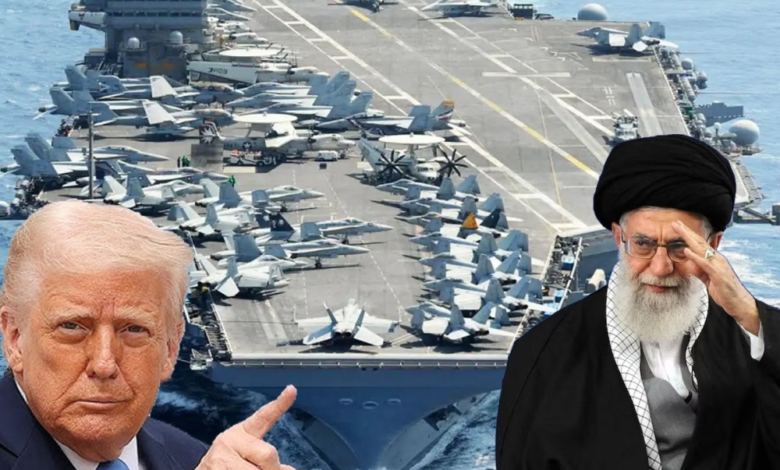

في تطور لافت قد يمهد الطريق لتهدئة التوترات المتصاعدة في الشرق الأوسط، أعلن نائب وزير الخارجية الإيراني، مجيد تخت روانشي، عن استعداد بلاده لتقديم تنازلات جوهرية فيما يتعلق ببرنامجها النووي، وتحديداً مخزونها من اليورانيوم عالي التخصيب، وذلك كجزء من صفقة شاملة تضمن رفع العقوبات الأمريكية الخانقة عن طهران.
محادثات مسقط: نافذة دبلوماسية جديدة
جاءت هذه التصريحات الهامة في أعقاب استئناف جولة جديدة من المحادثات غير المباشرة والحساسة بين طهران وواشنطن في العاصمة العمانية مسقط، والتي انطلقت في السادس من فبراير. وأكد روانشي، الذي يعد أحد أبرز الدبلوماسيين الإيرانيين وكان ضمن الوفد المفاوض في سلطنة عمان، في مقابلة مع هيئة الإذاعة البريطانية "بي بي سي"، أن الجولة القادمة من المحادثات ستعقد يوم الثلاثاء، مشيراً إلى وجود رغبة إيرانية حقيقية في التوصل إلى حل دبلوماسي.
وأوضح المسؤول الإيراني أن طهران منفتحة على مناقشة آليات التعامل مع مخزونها النووي، بشرط وجود "صدق" من الجانب الأمريكي، قائلاً: "إذا كانت الولايات المتحدة صادقة، فأنا متأكد من أننا سنكون على الطريق الصحيح نحو التوصل إلى اتفاق"، مما يعكس تحولاً في النبرة الإيرانية نحو البراغماتية السياسية.
معضلة الـ 400 كيلوجرام والحلول الدولية
تتمحور العقدة الرئيسية في المفاوضات الحالية حول مصير أكثر من 400 كيلوجرام من اليورانيوم عالي التخصيب الذي تمتلكه إيران. وفي هذا السياق، لم يستبعد روانشي خيار شحن هذا المخزون إلى خارج البلاد، وهو حل تم تطبيقه سابقاً في اتفاقيات مماثلة. وأشار إلى أن عدة دول، من بينها روسيا، قد عرضت استضافة هذا المخزون لضمان عدم استخدامه لأغراض عسكرية، وهو مقترح لم تغلق طهران الباب أمامه، حيث صرح روانشي بأنه "من السابق لأوانه تحديد ما سيحدث بدقة، لكن كل الخيارات مطروحة للنقاش".
خلفيات الصراع: من اتفاق 2015 إلى الواقع الحالي
لفهم أهمية هذا العرض الإيراني، يجب النظر إلى السياق التاريخي للأزمة. فبموجب الاتفاق النووي لعام 2015 (خطة العمل الشاملة المشتركة)، كانت إيران ملزمة بنسبة تخصيب لا تتجاوز 3.67%. ومع ذلك، وعقب انسحاب الولايات المتحدة من الاتفاق في عام 2018 وإعادة فرض العقوبات، بدأت طهران في التحلل تدريجياً من التزاماتها، لتصل نسبة التخصيب حالياً إلى 60%، وهي نسبة قريبة جداً من المستوى اللازم لتصنيع أسلحة نووية (90%)، مما أثار قلق المجتمع الدولي والوكالة الدولية للطاقة الذرية.
ويكتسب هذا الحدث أهمية إقليمية ودولية قصوى، حيث أن التوصل إلى اتفاق جديد من شأنه أن يجنب المنطقة شبح حرب مدمرة، ويعيد تدفق النفط الإيراني إلى الأسواق العالمية، مما قد يساهم في استقرار أسعار الطاقة. كما أن نجاح هذه المفاوضات قد يوقف سباق التسلح النووي المحتمل في منطقة الشرق الأوسط.
الخطوط الحمراء: رفض "تصفير التخصيب"
رغم المرونة التي أبدتها طهران، رسم نائب وزير الخارجية خطاً أحمر واضحاً تجاه مطالب الرئيس الأمريكي دونالد ترامب السابقة بضرورة تخلي إيران تماماً عن التخصيب. وشدد روانشي على أن "مسألة صفر تخصيب لم تعد ذات صلة بالواقع، وبالنسبة لإيران، لم تعد هذه الفكرة مدرجة على جدول الأعمال"، مؤكداً حق بلاده في امتلاك دورة وقود نووي سلمية، وهو ما يشير إلى أن المفاوضات ستكون شاقة ومعقدة للوصول إلى نقطة وسط ترضي الطرفين.