
New American approach towards NATO
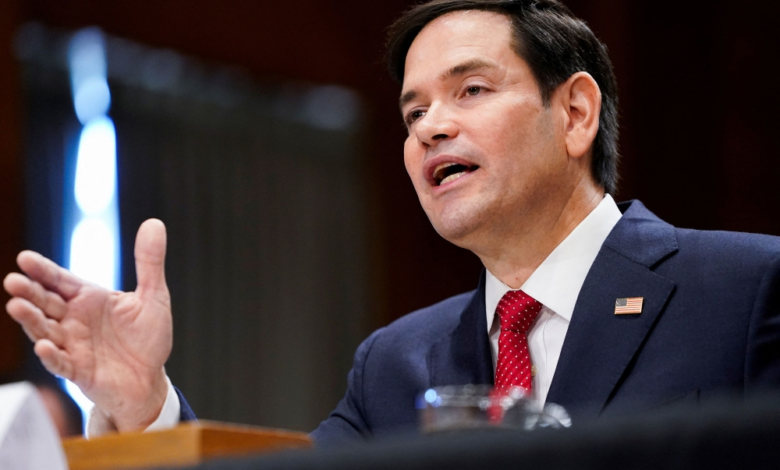
US Secretary of State Marco Rubio confirmed that the United States will have to reassess its strategic relationship with NATO once the current military operations and tensions with Iran subside. In a recent interview with Fox News, Rubio explained that the US administration will seriously consider the benefits Washington derives from remaining in the alliance, noting that the final decision rests with the US president, thus opening the door to significant shifts in US foreign policy.
Trump criticizes allies' inaction in the Strait of Hormuz crisis
These statements come at a time of escalating US criticism of the role of its European allies. US President Donald Trump has expressed his deep dissatisfaction with the stance of NATO member states, accusing them of abandoning Washington in critical times. During an economic event in Miami, Trump strongly criticized the allies' refusal to provide the necessary military support to secure the Strait of Hormuz, a vital waterway through which a significant portion of the world's oil supply passes. Trump bluntly asked, "Why do we spend hundreds of billions of dollars a year protecting them if they aren't there to support us when we need them?" He hinted that Washington might not come to their aid in the future if this approach continues.
Historical context and the controversy surrounding defense spending
Historically, NATO was founded in 1949 as a collective defense shield and has relied heavily on the military and economic power of the United States since its inception. However, the issue of defense spending has long been a major point of contention between Washington and European capitals. Successive US administrations have demanded that member states commit to allocating at least 2% of their GDP to defense budgets, to alleviate the enormous financial burden on the American taxpayer—a demand that Trump frequently used as leverage against allies.
Strategic importance and impact of regional tensions
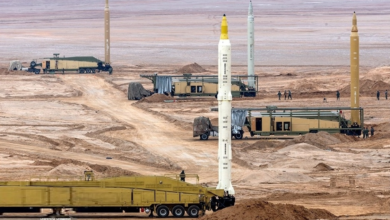
The Strait of Hormuz crisis takes on paramount importance in this geopolitical context. The strait is a vital artery for the global economy, and any threat to navigation through it by Iran portends devastating global energy crises. Washington believes that securing this waterway is not solely an American responsibility, but that European countries, heavily reliant on energy imports from the Middle East, must also participate. The absence of this European support reinforces the American narrative that its allies benefit from the US security umbrella without offering anything in return.
Expected repercussions for international security
Regionally and internationally, any retreat or reassessment of the United States' commitment to NATO would trigger a strategic earthquake. In Europe, member states might find themselves compelled to accelerate the development of an independent European defense system, particularly given the ongoing security tensions on the continent. In the Middle East, the American message is clear: Washington will no longer act as the world's policeman alone, and allies must shoulder their responsibilities in protecting their shared interests, whether in the face of Iranian threats or in securing vital global trade routes.