The reality of Iran imposing transit fees in the Strait of Hormuz and its global impact

Introduction: An Iranian proposal to impose fees in the Strait of Hormuz
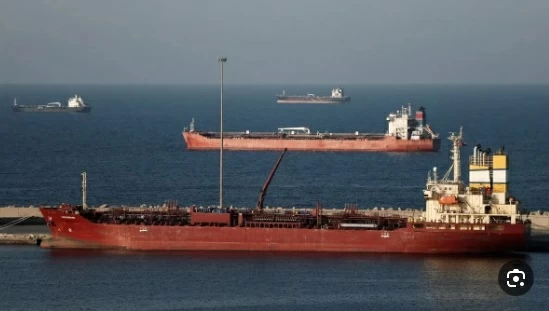
Iranian media outlets reported that the Iranian parliament is currently considering a controversial proposal to impose fees and taxes on what Tehran calls the "safe passage" of commercial vessels and oil tankers through the Strait of Hormuz. If approved and implemented, this move would represent a radical shift that could reshape global trade and energy markets, given the vital strategic importance of this waterway connecting the Persian Gulf and the Gulf of Oman.
General context and historical background of the strait
Historically, the Strait of Hormuz has long been a flashpoint for geopolitical tensions in the Middle East. In the 1980s, the strait witnessed what became known as the "Tanker War" during the Iran-Iraq War, when commercial vessels were targeted. Under international law of the sea, the Strait of Hormuz is subject to the "right of innocent passage" regime, which guarantees freedom of navigation for civilian and military vessels without arbitrary restrictions. Therefore, any unilateral attempt to impose transit fees would likely face strong international opposition, as the United States and its allies consider freedom of navigation in the strait a red line that cannot be crossed to ensure the stability of the global economy.
Escalating regional tensions and targeting of energy facilities
This Iranian approach comes amid an unprecedented escalation of regional tensions linked to ongoing conflicts in the region. Through these pronouncements, Tehran seeks to bolster its strategic influence and exert pressure on the international community. In a related development concerning security tensions, natural gas facilities in the South Pars field in southern Iran were recently attacked, resulting in a fire in the Asaluyeh region of Bushehr province, according to official media. The South Pars field is the world's largest gas field, and Iran relies heavily on it for the majority of its domestic gas production, making any attack on it a significant blow to the Iranian economy and an indicator of the fragility of the security situation.
Towards a "new order" and a different geopolitical reality
Within the framework of Iran's future vision, the Iranian news agency Mehr quoted Mohammad Mokhbar, a member of the Expediency Discernment Council, as saying that Tehran is working on developing a "new system" for managing the Strait of Hormuz in the post-current-tensions era. Mokhbar explained that this strategic move aims to transform Iran from a "sanctioned state" into a more powerful and influential regional and international player. These statements reflect a clear desire to reshape the rules of engagement and interaction in the Strait, which could impose a new and unsettling reality on global shipping.
Expected impact on energy markets and the global economy
The economic repercussions of any change to the status of the Strait of Hormuz cannot be underestimated. The strait is a vital artery for the global economy, through which approximately one-fifth of the world's oil consumption—nearly 20 million barrels per day—passes, in addition to a third of global liquefied natural gas trade. Imposing fees on ships will inevitably lead to higher shipping costs and increased marine insurance premiums, which will immediately impact oil and gas prices in global markets. Regionally, the decision will affect the Gulf states, which rely on the strait as a primary maritime outlet for exporting their hydrocarbon resources. This could prompt these countries to seek strategic alternatives or escalate the situation diplomatically to safeguard their supply security and the stability of energy markets.