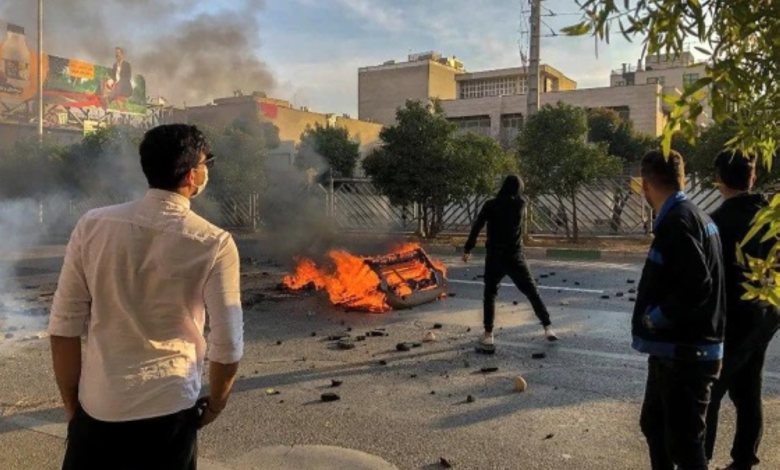

Recent human rights reports have revealed a horrific surge in the death toll from security crackdowns in Iran, with at least 648 protesters killed by Iranian security forces during the ongoing campaign to quell the widespread protest movement. These figures were released by Iran Human Rights, a Norway-based organization, which warned that the actual numbers could be far higher than those documented so far.
Calls for international protection and a media blackout
Commenting on these alarming statistics, Mahmoud Amiri-Moghaddam, the organization's director, stressed the urgent need for the international community to act, asserting that protecting civilian protesters from "mass killing" is a moral and legal responsibility incumbent upon global powers. The organization noted that unofficial estimates suggest the death toll could exceed 6,000, but verifying these figures is proving extremely difficult.
The main reason for the difficulty in documenting violations is the Iranian authorities' strategy of shutting down internet services and blocking social media platforms for extended periods, sometimes up to four consecutive days. This digital blackout aims to isolate protesters from the outside world and prevent the circulation of images and videos documenting the excessive use of force, making independent verification of field reports extremely difficult.
Political context and Russian support
On the geopolitical front, and coinciding with these internal disturbances, Russia's supportive stance toward the authorities in Tehran became prominent. Russian Security Council Secretary Sergei Shoigu held a telephone conversation with his Iranian counterpart, Ali Larijani, during which the two discussed the evolving situation. According to Russian news agencies, Shoigu strongly condemned what he termed "attempts at foreign interference" in Iran's internal affairs.
This Russian stance reflects the depth of the strategic alliance between Moscow and Tehran, as both capitals share a similar view of the popular protests, often categorizing them as part of Western-backed "color revolutions" designed to destabilize regimes opposed to Western hegemony. This political support comes at a time when Iran faces increasing international isolation and crippling economic sanctions, making Russian backing a vital diplomatic cover for Tehran in international forums.
Consequences of continued repression
The continued violence presents Iran with unprecedented internal and external challenges. Domestically, the rising death toll is fueling public anger and expanding the scope of protests rather than containing them, creating a deep chasm between the regime and broad segments of society. Internationally, the documentation of these violations by human rights organizations could pave the way for further UN sanctions and legal prosecutions of those responsible for ordering the shooting of unarmed protesters.