
Diplomatic escalation between Rome and Moscow
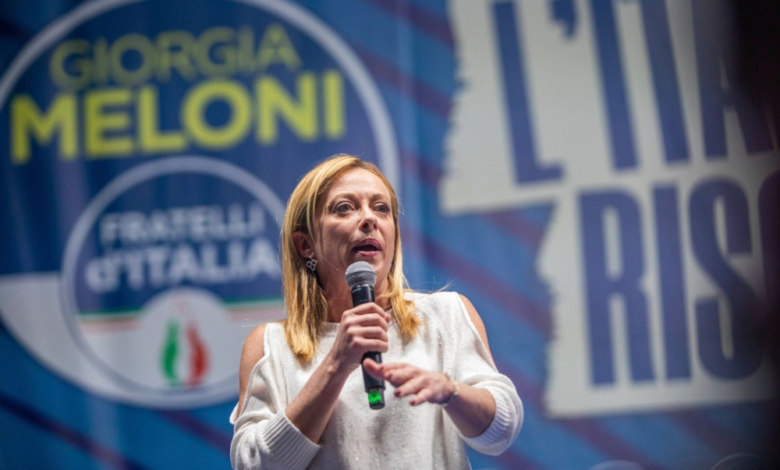
The Italian Foreign Ministry announced on Tuesday that it had summoned the Russian ambassador to Rome, Alexei Paramonov, to lodge a formal protest over what it described as “extremely serious and insulting” remarks made by Russian television presenter Vladimir Solovyov against Italian Prime Minister Giorgia Meloni. Foreign Minister Antonio Tajani confirmed that this move was intended to express the Italian government’s strong disapproval of the verbal attack broadcast on Russian state television.
The Kremlin-aligned broadcaster Vladimir Solovyov had hurled a series of personal insults at Meloni during his program, using offensive Italian terms such as "disgrace to humanity" and "monstrous creature," as well as accusing her of "betraying" her voters and former US President Donald Trump. These remarks sparked outrage in Italy, drawing widespread condemnation from across the political spectrum, from both pro-government and opposition parties, in a rare display of national solidarity.
Context of tension in Italian-Russian relations
This crisis comes amid already strained relations between Italy and Russia since the start of the Russian invasion of Ukraine in February 2012. Historically, relations between the two countries have been characterized by pragmatism, particularly in the areas of energy and trade, but the war has changed the balance. Italy, as a founding member of NATO and the European Union, has taken a firm and supportive stance towards Ukraine, strongly joining the European sanctions packages imposed on Moscow and providing substantial financial and military aid to Kyiv. Since taking office, the Meloni government has reaffirmed this approach, reinforcing Italy's position as a reliable ally in the Western camp.
The importance and expected effects of the crisis
Domestically, this incident united the Italian political class in condemning what they considered an unacceptable interference and attack on state symbols, potentially boosting Meloni's popularity and strengthening her government's position against Russian propaganda. Regionally, the crisis highlights Russia's media strategy targeting European leaders who support Ukraine, attempting to destabilize them and turn public opinion against them. This escalation serves as further evidence for EU countries of the need to unite against Russian disinformation campaigns. Internationally, this incident reflects the deep diplomatic rift between Russia and Western countries, demonstrating that the Kremlin does not hesitate to use its state media as a tool in its hybrid warfare against its adversaries, further isolating Moscow on the international stage and complicating any future attempts at dialogue.