Iran and the Houthis: Is a military confrontation with Washington imminent?

Tensions in the Middle East are escalating to unprecedented levels, raising serious questions about Tehran's role in directing its allies in the region, particularly the Houthi group in Yemen. The central question is whether Iran is actually pushing the Houthis toward broader military engagement and a direct confrontation with the United States, especially given the rapidly evolving situation in the Red Sea and the Bab el-Mandeb Strait.
General context: The strategic alliance and the axis of resistance
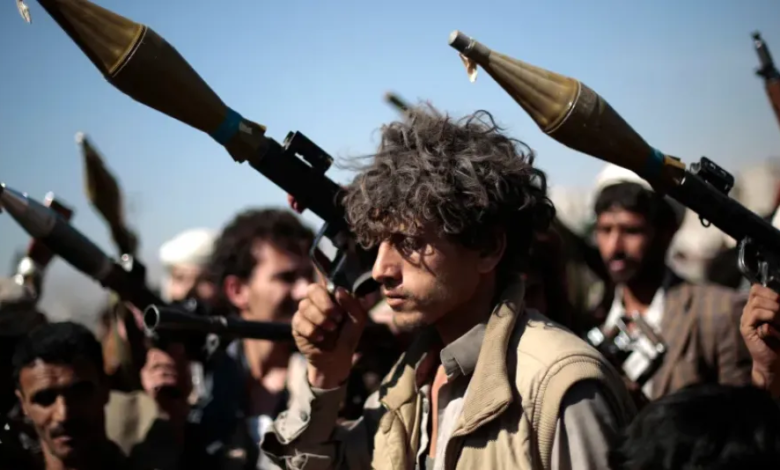
The Houthis' recent moves cannot be understood in isolation from the strategic relationship between the group and Tehran within what is known as the "Axis of Resistance." Since the outbreak of war in Yemen, the Houthis' military capabilities have developed significantly, particularly in the areas of drones and ballistic missiles—technologies in which numerous Western and UN reports indicate clear Iranian involvement. This relationship is no longer merely a political alliance; it has evolved into on-the-ground military coordination serving shared regional objectives. Tehran views the Houthis as a powerful bargaining chip on the Arabian Peninsula and along international shipping lanes.
The Red Sea: The New Arena of Conflict
The recent period has witnessed a qualitative shift in the rules of engagement, as the Houthis have moved from targeting the Yemeni interior or the Saudi and Emirati heartland in the past, to threatening international navigation and targeting commercial and military vessels linked to or bound for Israel, and even extending this to include American and British ships. Observers believe that this escalation could not have occurred without a green light or high-level coordination with Tehran, which seeks to send a message to Washington that it holds the keys to de-escalation and escalation in one of the world's most important waterways, in response to American support for Israel in the Gaza war.
Potential repercussions: between limited escalation and all-out war
Iran's push for the Houthis to take a military role against Washington carries significant risks that could reshape the geopolitical landscape of the region:
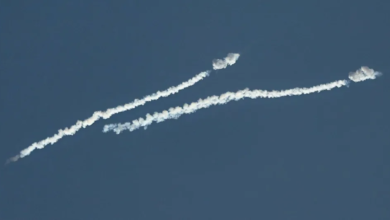
- On the international level, the continued attacks are militarizing the Red Sea, as evidenced by the US-led "Prosperity Guardian" coalition and its airstrikes against Houthi positions. This situation threatens global supply chains and drives up shipping and insurance costs, further straining an already fragile global economy.
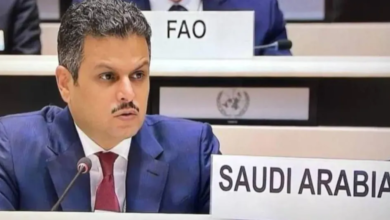
- On a regional level: This escalation puts the countries of the region, especially Saudi Arabia, in a difficult position, as Riyadh seeks to achieve a lasting peace agreement in Yemen and get out of the quagmire of war, while the US-Houthi confrontation undermines these peace efforts and may reignite internal fronts.
In conclusion, Iran’s strategy appears to be one of brinkmanship, using the Houthis to bleed Washington and Israel dry without engaging in direct warfare. However, the risk of sliding into open military confrontation remains if miscalculations occur or American casualties are incurred, potentially plunging the entire region into a disastrous conflict.