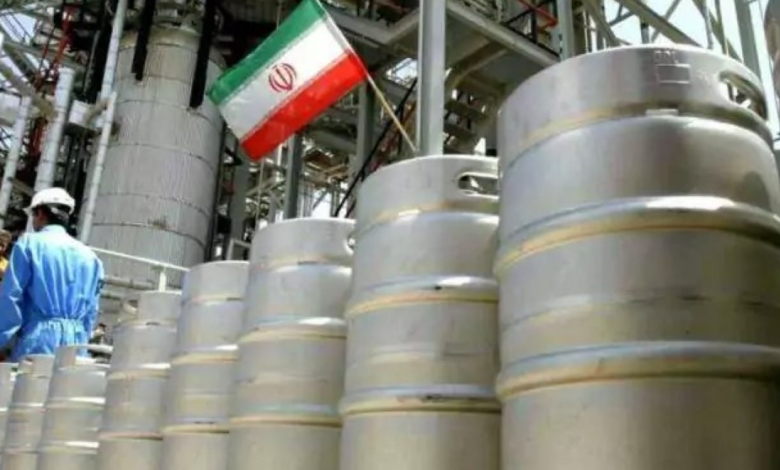

موقف إيراني حازم تجاه قيود التخصيب
أكدت طهران رفضها القاطع لأي محاولات تهدف إلى وضع قيود على البرنامج النووي الإيراني، وتحديداً فيما يخص عمليات تخصيب اليورانيوم، متجاهلة بذلك المطالب المتكررة التي تفرضها الولايات المتحدة الأمريكية وإسرائيل. وفي هذا السياق، صرح محمد إسلامي، رئيس منظمة الطاقة الذرية الإيرانية، في مقابلة صحفية مع وكالة إيسنا، بعبارات حاسمة قائلاً: “ليست مطالب أعدائنا وشروطهم الرامية إلى تقييد برنامج التخصيب في إيران سوى أحلام يقظة سيجري دفنها”. يعكس هذا التصريح تمسكاً إيرانياً صارماً باستقلالية قرارها النووي ورفضها للضغوط الخارجية.
السياق التاريخي لأزمة الملف النووي
لفهم أبعاد هذا الرفض الإيراني، يجب العودة إلى السياق التاريخي للأزمة. تفاقمت التوترات بشكل ملحوظ منذ انسحاب الولايات المتحدة الأحادي من الاتفاق النووي (خطة العمل الشاملة المشتركة) في عام 2018، وإعادة فرض العقوبات الاقتصادية القاسية على طهران. رداً على ذلك، بدأت إيران تدريجياً في التخلي عن التزاماتها المنصوص عليها في الاتفاق، ورفعت نسب تخصيب اليورانيوم إلى مستويات متقدمة تقترب من النسبة المطلوبة لتصنيع الأسلحة، وهو ما أثار قلق المجتمع الدولي والوكالة الدولية للطاقة الذرية.
محادثات إسلام آباد وتداعيات التصعيد العسكري
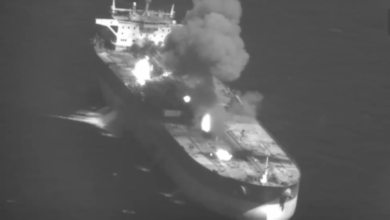
تأتي هذه التصريحات الإيرانية في توقيت حساس للغاية، حيث يُرتقب عقد محادثات حاسمة بين واشنطن وطهران في نهاية الأسبوع برعاية العاصمة الباكستانية إسلام آباد. وتأتي هذه المحادثات في إطار اتفاق وقف إطلاق النار الذي توسطت فيه باكستان، ومن المتوقع أن تتصدر قضية البرنامج النووي لطهران جدول أعمال هذه اللقاءات. وقد شهدت الفترة الماضية تصعيداً عسكرياً خطيراً؛ ففي 28 فبراير، شنت إسرائيل والولايات المتحدة ضربات استهدفت منشآت إيرانية، مما أدى إلى اندلاع مواجهات في الشرق الأوسط، في وقت كانت فيه واشنطن تفاوض طهران لتسليم مخزونها من اليورانيوم عالي التخصيب ووقف العمليات. وخلال حرب الأيام الـ12 في يونيو الماضي، استهدفت واشنطن وتل أبيب البرنامج النووي الإيراني، معلنتين تدمير قدرات طهران على التخصيب، وهو ما تحاول إيران تجاوزه الآن.
التأثيرات الإقليمية والدولية المتوقعة
يحمل التمسك الإيراني بمواصلة تخصيب اليورانيوم تداعيات عميقة على المستويين الإقليمي والدولي. إقليمياً، تنظر إسرائيل إلى هذا التطور كتهديد وجودي لأمنها القومي، مما يزيد من احتمالات توجيه ضربات استباقية قد تشعل حرباً إقليمية واسعة النطاق. كما أن دول الجوار تراقب بحذر، مما قد يدفع المنطقة نحو سباق تسلح نووي. دولياً، يؤثر هذا التوتر بشكل مباشر على أسواق الطاقة العالمية وحركة الملاحة في مضيق هرمز الاستراتيجي. وفي خضم هذه التوترات، تتهم واشنطن والدول الغربية طهران بالسعي لامتلاك قنبلة نووية، وهو ما تنفيه إيران بشدة، مؤكدة على حقها السيادي في تطوير برنامج نووي مخصص للأغراض السلمية وتوليد الطاقة.