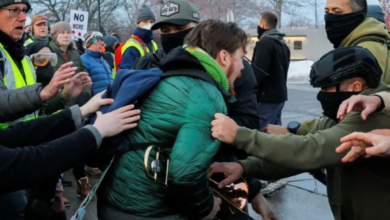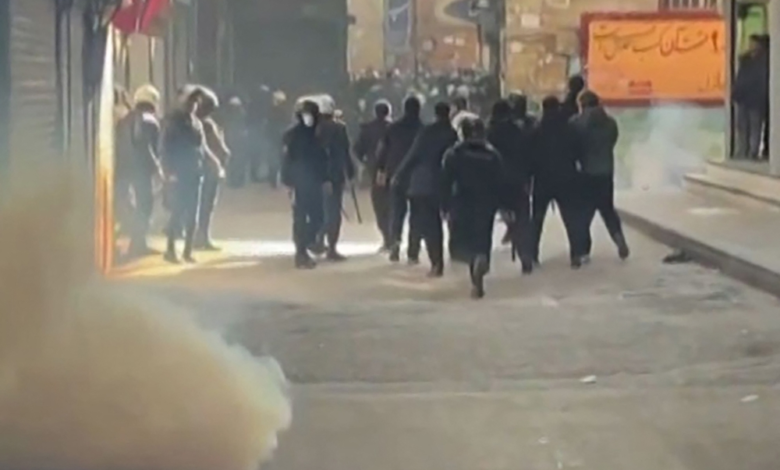

Iranian authorities have officially announced the reopening of schools in the capital, Tehran, and several other cities, starting Sunday, after a closure that began on January 10. This closure was a precautionary measure taken in response to the recent wave of protests across the country, according to the Iranian Students' News Agency (ISNA).
In a related context regarding the educational process, the agency explained that the exams that were scheduled in the main Iranian universities, which were forcibly postponed due to demonstrations and security disturbances, will be held according to a new timetable starting from January 24, in an attempt by the authorities to restore normal life to educational institutions.
General context and the role of educational institutions
The decision to close schools and universities in Iran during periods of political unrest is not merely an administrative measure, but rather part of a security strategy employed by the authorities to control crowds. Historically, Iranian universities, particularly the University of Tehran, have been major centers of political and student activism. From the 1999 protests through the events of 2009, students have played a pivotal role in leading demonstrations and demanding political and social reforms. Therefore, the reopening of these institutions is seen as an indication of the authorities' confidence in restoring relative calm or their strong desire to avoid disrupting the academic year despite ongoing tensions.
International actions and the Security Council
Internationally, the events in Iran did not go unnoticed in diplomatic circles. The UN Security Council held an emergency meeting to discuss the escalating situation in Iran, at the official request of the United States. The issue was discussed under the agenda item "The Situation in the Middle East," with all fifteen members of the Council in attendance.
This international move reflects the strategic importance of events inside Iran, where Western powers, led by Washington, are seeking to highlight the issues of human rights and freedom of expression, while Tehran considers these moves blatant interference in its internal affairs. During the meeting, the United Nations reaffirmed its consistent position that the best way to address all concerns related to Iran is through diplomacy and constructive dialogue, far removed from military escalation or violence.
Expected impacts locally and regionally
The decision to reopen schools carries significant implications at both the local and regional levels. Locally, the Iranian government seeks to reassure citizens that the situation is under control and that daily life must continue. However, observers believe that the return of students to gatherings could create new flashpoints for political debate and potentially reignite protests in various forms.
Regionally, neighboring countries are following the situation in Iran very closely, as any prolonged instability in a country the size and weight of Iran could cast a shadow on regional security and energy markets, especially in light of the existing geopolitical tensions in the Middle East region.