
تصاعد التوترات: رد إيراني حازم على تهديدات ترامب
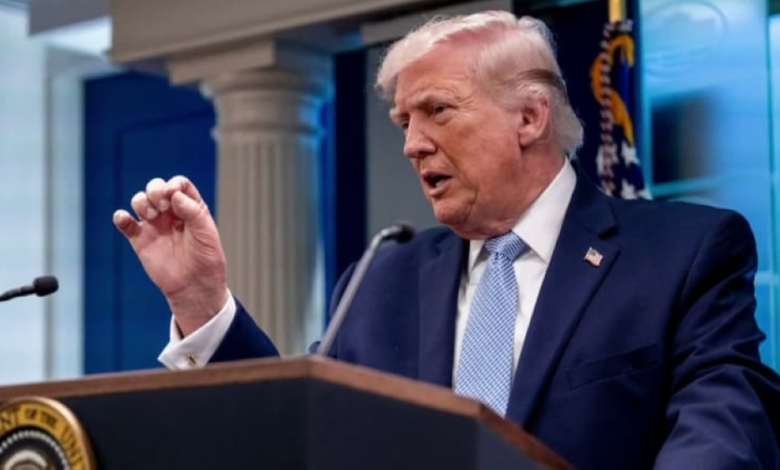
تصاعدت حدة التوترات السياسية والعسكرية في منطقة الشرق الأوسط مجدداً، وذلك في أعقاب التصريحات النارية التي أطلقها الرئيس الأمريكي دونالد ترامب. وفي رد حازم على تهديدات ترامب لإيران، أكدت القيادة الإيرانية جاهزيتها التامة للتعامل مع كافة التطورات. حيث شدد النائب الأول للرئيس الإيراني، محمد رضا عارف، يوم الثلاثاء، على أن طهران مستعدة لكل الاحتمالات والسيناريوهات المطروحة، بما في ذلك المواجهة العسكرية الشاملة مع الولايات المتحدة الأمريكية والاحتلال الإسرائيلي.
السياق التاريخي للعلاقات الأمريكية الإيرانية
تأتي هذه التطورات في سياق تاريخي معقد من العلاقات المتوترة بين واشنطن وطهران. فخلال فترة ولاية ترامب السابقة، شهدت العلاقات الأمريكية الإيرانية تصعيداً غير مسبوق، تجلى في انسحاب الولايات المتحدة من الاتفاق النووي الإيراني في عام 2018، وتطبيق سياسة “الضغوط القصوى” التي شملت عقوبات اقتصادية قاسية. كما بلغت التوترات ذروتها مع حوادث أمنية وعسكرية كبرى في مطلع عام 2020 وضعت البلدين على شفا حرب إقليمية، مما يجعل التهديدات الحالية امتداداً لسياسات سابقة تتسم بالحدة والمواجهة المباشرة.
تفاصيل الموقف الإيراني والجاهزية الاستخباراتية
وفي تفاصيل الموقف الإيراني الحالي، أوضح محمد رضا عارف أن الأمن القومي الإيراني واستدامة البنى التحتية الحيوية للبلاد يقعان في صلب الحسابات الاستراتيجية الدقيقة للقيادة الإيرانية. وأكد أن الحكومة قد استكملت بكامل التفاصيل كافة التدابير والإجراءات اللازمة لمواجهة كل السيناريوهات المحتملة. وأضاف بلهجة تحذيرية واضحة أن “لا تهديد يتخطى جاهزيتنا وقدراتنا الاستخباراتية والعسكرية”، مما يعكس ثقة طهران في منظومتها الدفاعية وقدرتها على حماية منشآتها الحساسة، خاصة في ظل التهديدات المتكررة باستهداف المنشآت النووية والنفطية.
التداعيات الإقليمية والدولية المحتملة
تحمل هذه التصريحات المتبادلة وتصاعد تهديدات ترامب لإيران تداعيات بالغة الأهمية على المستويات المحلية والإقليمية والدولية. فعلى الصعيد الإقليمي، تزيد هذه التوترات من حالة عدم الاستقرار في الشرق الأوسط، خاصة مع استمرار الصراعات الحالية في غزة ولبنان، وارتباط طهران الوثيق بما يُعرف بمحور المقاومة. أما على الصعيد الدولي، فإن أي تصعيد عسكري محتمل بين إيران والولايات المتحدة وإسرائيل من شأنه أن يلقي بظلاله الثقيلة على أسواق الطاقة العالمية، مما قد يؤدي إلى ارتفاع حاد في أسعار النفط وتأثر حركة الملاحة في الممرات المائية الاستراتيجية مثل مضيق هرمز.
ختاماً، يبقى المشهد السياسي والعسكري مفتوحاً على كافة الاحتمالات. وفي حين تستمر لغة التصعيد والتهديدات المتبادلة، يترقب المجتمع الدولي بحذر مآلات هذه الأزمة، وسط دعوات مستمرة لتغليب لغة الحوار والدبلوماسية لتجنيب المنطقة والعالم ويلات حرب مدمرة قد تعيد رسم خريطة التحالفات في الشرق الأوسط.