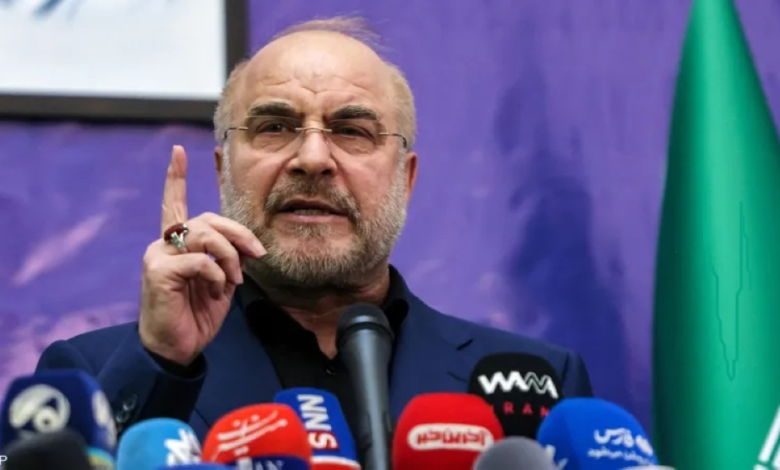

أعلن رئيس مجلس الشورى الإيراني، محمد باقر قاليباف، موقف بلاده الحاسم من المفاوضات الجارية مع واشنطن، مؤكداً أن طهران لن توافق على أي اتفاق مع أمريكا لا يتضمن ضمانات واضحة وكاملة لحقوق الشعب الإيراني. وجاءت تصريحاته في وقت حساس تتزايد فيه المبادرات الدبلوماسية لإنهاء التوتر الذي يخيم على العلاقات بين البلدين، مشدداً على أن المفاوضين الإيرانيين لا يثقون بوعود الطرف الآخر، وأن أي تفاهم يجب أن يرتكز على أسس ملموسة.
خلفية التوتر ومسار المفاوضات المعقد
تعود جذور التوتر الحالي إلى قرار الرئيس الأمريكي دونالد ترامب في عام 2018 بالانسحاب من خطة العمل الشاملة المشتركة (الاتفاق النووي)، التي تم التوصل إليها في عام 2015 بين إيران ومجموعة القوى العالمية (5+1). عقب الانسحاب، أعادت واشنطن فرض عقوبات اقتصادية قاسية على طهران بهدف ممارسة “أقصى درجات الضغط” لإجبارها على التفاوض على اتفاق جديد بشروط أكثر صرامة. رداً على ذلك، بدأت إيران في التراجع تدريجياً عن التزاماتها النووية المنصوص عليها في الاتفاق، مما أدى إلى تصعيد خطير في المنطقة وزيادة المخاوف الدولية بشأن طموحاتها النووية.
أبعاد أي اتفاق مع أمريكا وتأثيراته المحتملة
تتجاوز أهمية أي اتفاق محتمل بين طهران وواشنطن الحدود الثنائية لتلقي بظلالها على المشهد الإقليمي والدولي. فعلى الصعيد المحلي، تعتبر إيران أن رفع العقوبات والإفراج عن أصولها المجمدة في الخارج حق أساسي لإنعاش اقتصادها الذي تضرر بشدة. أما إقليمياً، فإن التوصل إلى تفاهم من شأنه أن يساهم في خفض التوترات في مضيق هرمز، الممر المائي الاستراتيجي الذي يعبر من خلاله جزء كبير من إمدادات الطاقة العالمية، وقد يؤثر إيجاباً على استقرار دول أخرى في الشرق الأوسط. دولياً، يراقب العالم عن كثب هذه المفاوضات، حيث يمثل نجاحها انتصاراً للدبلوماسية وجهود منع الانتشار النووي، بينما قد يؤدي فشلها إلى سباق تسلح نووي في المنطقة ويزيد من احتمالات المواجهة المباشرة.
شروط واشنطن المشددة مقابل “الخطوط الحمراء” الإيرانية
تأتي تصريحات قاليباف في سياق تقارير إعلامية، نقلتها صحف مثل “نيويورك تايمز”، تفيد بأن إدارة الرئيس دونالد ترامب قد أرسلت مقترحاً جديداً إلى طهران بشروط أكثر تشدداً. وفي المقابل، تتمسك إيران بمطالبها التي تعتبرها “خطوطاً حمراء”، وعلى رأسها الحصول على ضمانات اقتصادية وقانونية تمنع تكرار سيناريو الانسحاب الأمريكي من أي اتفاق مستقبلي. هذا التباين في المواقف يعكس عمق انعدام الثقة بين الطرفين ويجعل مهمة التوصل إلى حل وسط أمراً بالغ الصعوبة، حيث يسعى كل طرف إلى تحقيق أقصى مكاسب ممكنة مع تقديم أقل قدر من التنازلات.