
تفاصيل استهداف محطة الكهرباء وتحلية المياه في الكويت
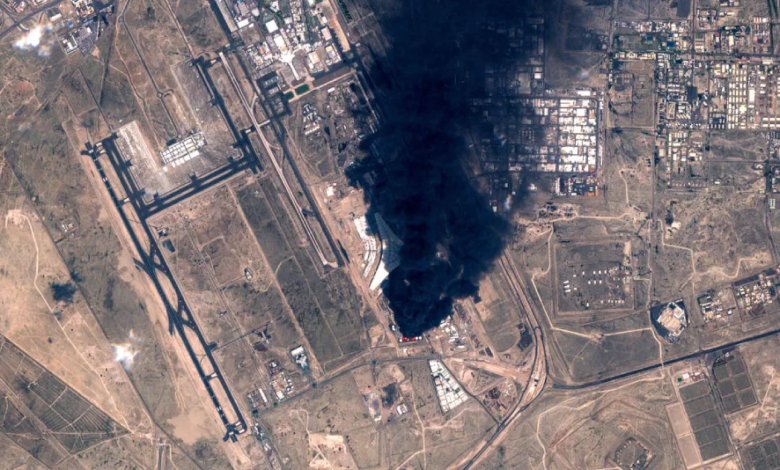
في تطور أمني خطير يهدد استقرار المنطقة، أفادت التقارير باستهداف محطة لتوليد الكهرباء وتحلية المياه في دولة الكويت من قبل إيران، وهو الهجوم الذي أسفر عن مقتل شخص واحد. يمثل هذا الحادث تصعيداً غير مسبوق في منطقة الخليج العربي، ويثير مخاوف واسعة النطاق بشأن أمن البنية التحتية الحيوية والمدنية في دول مجلس التعاون الخليجي، مما يضع المنطقة أمام تحديات أمنية جديدة.
الأهمية الاستراتيجية لمحطات المياه والطاقة في الكويت
تعتبر محطات تحلية المياه وتوليد الطاقة بمثابة الشريان الحيوي لدولة الكويت. نظراً لطبيعتها الجغرافية والمناخية الصحراوية القاسية، تفتقر الكويت إلى مصادر المياه العذبة الطبيعية مثل الأنهار والبحيرات، وتعتمد بنسبة تتجاوز 90% على تقنيات تحلية مياه البحر لتلبية احتياجات سكانها من مياه الشرب والاستخدامات الزراعية والصناعية. تمتلك البلاد منشآت استراتيجية ضخمة لتأمين هذه الموارد، وأي تهديد يطال هذه المحطات لا يمثل فقط خسارة مادية، بل يُعد تهديداً مباشراً للأمن المائي والقومي. إن استهداف هذه البنية التحتية الحساسة ينذر بأزمات إنسانية واقتصادية كبرى إذا ما تعطلت إمدادات المياه والكهرباء لفترات طويلة.
السياق الإقليمي والتوترات الجيوسياسية في الخليج
تأتي هذه الحادثة في ظل ظروف إقليمية بالغة التعقيد وتوترات جيوسياسية مستمرة في منطقة الشرق الأوسط. تاريخياً، شهدت العلاقات بين إيران ودول الخليج فترات من الشد والجذب، وتصاعدت التوترات في عدة مناسبات بسبب الخلافات الإقليمية والحدودية، مثل النزاع الأخير حول حقل الدرة الغازي. علاوة على ذلك، فإن استهداف البنى التحتية المدنية والاقتصادية أصبح تكتيكاً مقلقاً يهدد أمن الملاحة وإمدادات الطاقة، مما يعيد إلى الأذهان الهجمات السابقة التي طالت منشآت حيوية ونفطية في المنطقة وأثرت بشكل مباشر على استقرار الأسواق العالمية.
التداعيات المتوقعة على الصعيدين المحلي والدولي
على الصعيد المحلي، من المتوقع أن تتخذ السلطات الكويتية إجراءات أمنية مشددة وفورية لحماية منشآتها الحيوية، مع إعلان حالة الاستنفار لضمان استمرار الخدمات الأساسية للمواطنين والمقيمين. أما على الصعيدين الإقليمي والدولي، فإن هذا الهجوم سيستدعي إدانات واسعة من قبل المجتمع الدولي والمنظمات الأممية، كونه يمثل انتهاكاً صارخاً للقوانين والأعراف الدولية التي تجرم استهداف الأعيان المدنية. كما أن موقع الكويت الاستراتيجي كأحد كبار منتجي النفط في العالم يجعل من أي توتر أمني فيها سبباً محتملاً لتقلبات حادة في أسواق الطاقة العالمية، مما قد يدفع القوى الكبرى للتحرك الدبلوماسي أو الأمني لضمان حرية الملاحة وأمن الخليج العربي.
خلاصة
يضع هذا التطور الأمني المنطقة بأسرها أمام تحديات خطيرة تتطلب الحكمة والتعامل الحازم. إن حماية البنية التحتية للمياه والطاقة لم تعد شأناً محلياً فحسب، بل هي قضية أمن دولي تتطلب تضافر الجهود الإقليمية والعالمية لردع أي تهديدات مستقبلية وضمان استقرار وسلامة الشعوب في منطقة الخليج العربي الحيوية.