
تصعيد إيراني جديد بشأن الملاحة البحرية
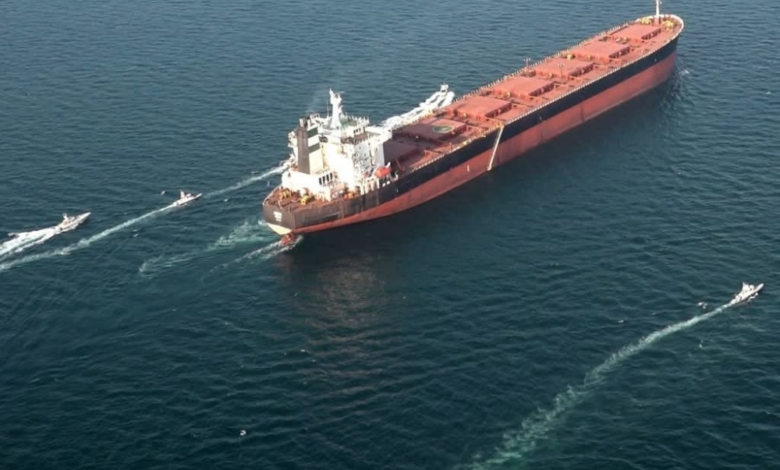
في تصعيد جديد يعكس حجم التوترات الجيوسياسية في منطقة الشرق الأوسط، أطلق رئيس البرلمان الإيراني، محمد باقر قاليباف، تحذيرات شديدة اللهجة بشأن الملاحة البحرية في أحد أهم الممرات المائية في العالم. وأكد قاليباف يوم السبت أن طهران لن تتردد في إغلاق مضيق هرمز الاستراتيجي مجدداً، وذلك في حال استمرار الولايات المتحدة الأمريكية في فرض حصارها الاقتصادي والبحري على الموانئ الإيرانية.
تفاصيل التحذير الإيراني وشروطه
جاءت هذه التصريحات عبر منشور رسمي نشره قاليباف على منصة “إكس” (تويتر سابقاً)، حيث أوضح الموقف الإيراني بعبارات حاسمة قائلاً: “مع استمرار الحصار، لن يبقى مضيق هرمز مفتوحاً”. ولم يكتفِ رئيس البرلمان بالتهديد بالإغلاق التام، بل وضع شروطاً صارمة لأي حركة ملاحة مستقبلية في حال تنفيذ التهديد، مشيراً إلى أن المرور عبر هذا الممر الاستراتيجي سيتم حصراً على أساس “مسار محدد” وبموجب “موافقة رسمية من إيران”. هذا التصريح يعكس رغبة طهران في فرض سيطرة سيادية كاملة على حركة السفن التجارية والعسكرية في المنطقة كرد فعل على العقوبات الأمريكية المستمرة.
الأهمية الاستراتيجية والاقتصادية لمضيق هرمز
لفهم مدى خطورة هذه التهديدات، يجب النظر إلى الأهمية الجيواستراتيجية لمضيق هرمز. يُعد المضيق، الذي يربط بين الخليج العربي وخليج عُمان وبحر العرب، أهم نقطة اختناق نفطية في العالم. تشير الإحصائيات والتقارير الدولية إلى أن ما يقارب 20% إلى 30% من إجمالي الاستهلاك العالمي من النفط يمر عبر هذا المضيق يومياً. تعتمد دول كبرى في آسيا، مثل الصين واليابان والهند وكوريا الجنوبية، بشكل شبه كلي على إمدادات الطاقة التي تعبر من خلاله. بالتالي، فإن أي تعطيل لحركة الملاحة هناك، ولو لأيام معدودة، من شأنه أن يرسل موجات صدمة عبر الاقتصاد العالمي.
السياق التاريخي للتوترات في المضيق
تاريخياً، لم تكن هذه المرة الأولى التي تستخدم فيها طهران ورقة إغلاق مضيق هرمز للضغط على المجتمع الدولي والولايات المتحدة. فمنذ اندلاع “حرب الناقلات” في ثمانينيات القرن الماضي خلال الحرب العراقية الإيرانية، أدركت إيران القوة التفاوضية التي يمنحها لها موقعها الجغرافي. وفي السنوات الأخيرة، وتحديداً بعد انسحاب واشنطن من الاتفاق النووي في عام 2018 وتطبيق سياسة “الضغوط القصوى”، تكررت التهديدات الإيرانية بإغلاق المضيق رداً على محاولات تصفير صادراتها النفطية وعزلها اقتصادياً.
التداعيات الإقليمية والدولية المتوقعة
على الصعيد الإقليمي، تثير مثل هذه التصريحات قلق الدول المجاورة المصدرة للنفط، والتي تعتمد على المضيق كشريان حياة لاقتصاداتها. أما على الصعيد الدولي، فإن التهديد بإغلاق المضيق يؤدي فوراً إلى ارتفاع تكاليف التأمين على السفن التجارية، وقد يتسبب في قفزات مفاجئة في أسعار النفط العالمية، مما يفاقم من أزمات التضخم التي تعاني منها العديد من الاقتصادات الكبرى. علاوة على ذلك، فإن هذه التهديدات تزيد من احتمالات الاحتكاك العسكري المباشر بين القوات البحرية الإيرانية والأسطول الأمريكي المتواجد في المنطقة لضمان حرية الملاحة، مما يضع أمن الخليج بأسره على صفيح ساخن.