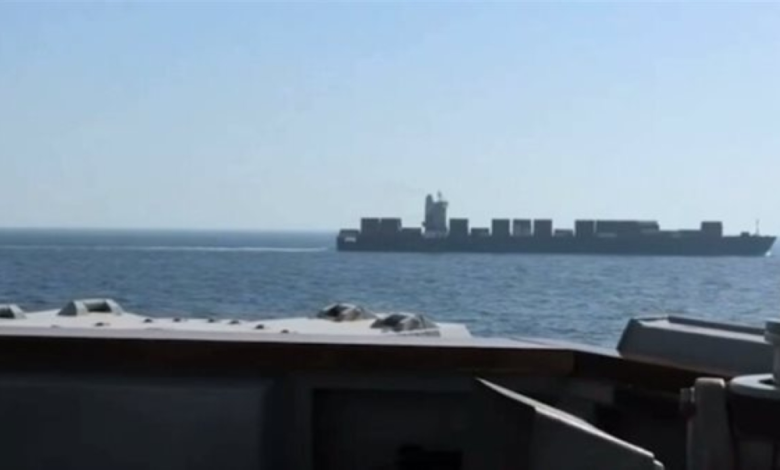

في خطوة تعكس التوتر المتصاعد بين طهران وواشنطن، طالبت إيران رسميًا الأمم المتحدة بإدانة ما وصفته بـ”القرصنة البحرية” التي قامت بها الولايات المتحدة باحتجاز سفينة الشحن الإيرانية “توسكا”. واعتبرت طهران هذا الإجراء انتهاكًا صارخًا للقانون الدولي وميثاق الأمم المتحدة، وخرقًا لاتفاق وقف إطلاق النار الهش بين البلدين، مما يهدد بتأجيج الصراع في أحد أهم الممرات الملاحية في العالم.
تفاصيل الحادثة والتحرك الدبلوماسي
بدأت الأزمة عندما أعلن الرئيس الأمريكي السابق دونالد ترامب أن مدمرة تابعة للبحرية الأمريكية أطلقت النار على سفينة شحن ترفع العلم الإيراني في خليج عُمان قبل أن تسيطر عليها. وجاء هذا التحرك، بحسب واشنطن، بعد محاولة السفينة كسر حصار بحري تفرضه الولايات المتحدة. ردًا على ذلك، وجه السفير الإيراني لدى الأمم المتحدة، أمير سعيد إيرواني، رسالة عاجلة إلى كل من مجلس الأمن الدولي والأمين العام للأمم المتحدة، أنطونيو غوتيريش.
في رسالته، شدد إيرواني على أن “هذا السلوك هو فعل من أفعال القرصنة، ويمثل تصعيدًا خطيرًا يعرّض أمن الممرات الملاحية الحيوية للخطر بشكل كبير”. وأضاف أن هذا العمل غير القانوني يشكل “انتهاكًا واضحًا لوقف إطلاق النار المتفق عليه في 8 أبريل، وعملاً عدوانيًا بموجب ميثاق الأمم المتحدة”. ودعت الرسالة المجتمع الدولي، وخاصة مجلس الأمن، إلى اتخاذ موقف فوري وحازم لإدانة هذا العمل العدواني، وضمان محاسبة المسؤولين عنه، والمطالبة بالإفراج الفوري عن السفينة وطاقمها.
خلفية الصراع وسياق التوترات
لا يمكن فهم هذا الحادث بمعزل عن السياق الأوسع للعلاقات المتوترة بين إيران والولايات المتحدة. فمنذ انسحاب واشنطن من الاتفاق النووي (خطة العمل الشاملة المشتركة) في عام 2018، فرضت إدارة ترامب سياسة “الضغط الأقصى” التي شملت عقوبات اقتصادية خانقة استهدفت بشكل أساسي قطاع النفط الإيراني. وقد أدت هذه السياسة إلى سلسلة من المواجهات في مياه الخليج ومضيق هرمز، الذي يمر عبره ما يقرب من خُمس استهلاك النفط العالمي. وشهدت المنطقة حوادث متكررة من احتجاز ناقلات نفط وهجمات غامضة على سفن تجارية، تبادل الطرفان الاتهامات بالمسؤولية عنها.
الأهمية الاستراتيجية والتأثيرات المحتملة
تكتسب هذه الحادثة أهمية خاصة نظرًا لموقعها في خليج عُمان، المدخل الحيوي لمضيق هرمز. أي تصعيد عسكري في هذه المنطقة لا يهدد فقط إيران والولايات المتحدة، بل يهدد استقرار إمدادات الطاقة العالمية، مما قد يؤدي إلى ارتفاع حاد في أسعار النفط وتأثيرات سلبية على الاقتصاد العالمي. على الصعيد الإقليمي، تزيد مثل هذه المواجهات من حالة عدم الاستقرار في منطقة الخليج التي تعاني بالفعل من صراعات متعددة. دوليًا، يضع هذا الحادث القانون الدولي وحرية الملاحة على المحك، ويسلط الضوء على عجز الآليات الدولية عن كبح جماح الإجراءات الأحادية التي قد تتخذها القوى الكبرى، مما يترك الباب مفتوحًا أمام المزيد من التصعيد وردود الفعل الانتقامية التي قد تخرج عن السيطرة.