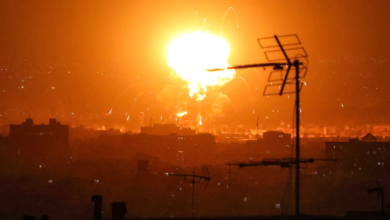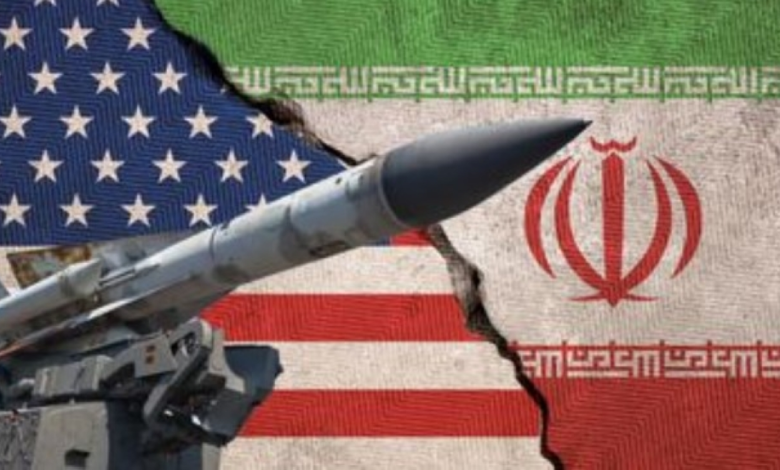

عاد شبح التصعيد ليخيم على العلاقات المتوترة بين الولايات المتحدة وإيران، وذلك في أعقاب شن غارات جوية أمريكية ليلية على مواقع في جنوب إيران. هذه الضربات، التي جاءت بعد فترة من الهدوء النسبي، أثارت ردود فعل إيرانية غاضبة، حيث اتهمت طهران واشنطن بانتهاك وقف إطلاق النار وتوعدت بالرد الحاسم، مما يهدد بإعادة المنطقة إلى دوامة التوتر.
السياق التاريخي لتصاعد التوترات
لطالما اتسمت العلاقة بين الولايات المتحدة وإيران بالتعقيد والعداء، خاصة بعد الثورة الإيرانية عام 1979. شهدت العقود الأخيرة فترات متناوبة من المواجهة والجهود الدبلوماسية الفاشلة. بلغ التوتر ذروته بعد انسحاب الولايات المتحدة من الاتفاق النووي الإيراني (خطة العمل الشاملة المشتركة) عام 2018، وإعادة فرض العقوبات الاقتصادية القاسية على طهران، في إطار ما أسمته واشنطن حملة “الضغط الأقصى”. هذه السياسة أدت إلى سلسلة من الحوادث في الخليج، بما في ذلك استهداف ناقلات النفط، واحتجاز سفن، وهجمات بطائرات مسيرة، مما جعل المنطقة برميل بارود قابل للاشتعال في أي لحظة.
تفاصيل الغارات والرد الإيراني
وفقًا للتقارير، استهدفت الغارات الجوية الأمريكية مواقع يعتقد أنها تستخدم لإطلاق صواريخ في جنوب إيران، وهو ما أكدته القيادة المركزية الأمريكية (سنتكوم). إيران، من جانبها، اعتبرت هذه الضربات انتهاكًا صارخًا لوقف إطلاق النار الذي كان ساريًا منذ الثامن من أبريل. وزارة الخارجية الإيرانية صرحت بأن هذه الأعمال العدوانية لن تمر دون رد، مؤكدة على حقها في الدفاع عن سيادتها وأمنها. هذا التصعيد الجديد يمثل نكسة كبيرة للجهود الدبلوماسية الرامية إلى تخفيف حدة التوتر في المنطقة، ويضع العراقيل أمام أي محادثات مستقبلية.
التأثيرات الإقليمية والدولية
إن تجدد التصعيد بين القوتين له تداعيات واسعة النطاق تتجاوز حدود البلدين. على الصعيد الإقليمي، يهدد هذا التوتر بزعزعة استقرار منطقة الخليج العربي، التي تعد شريانًا حيويًا للاقتصاد العالمي. أي اضطراب في مضيق هرمز، الذي يمر عبره جزء كبير من إمدادات النفط العالمية، يمكن أن يؤدي إلى ارتفاع حاد في أسعار النفط، كما حدث بالفعل بعد هذه الغارات. هذا الارتفاع يؤثر بشكل مباشر على الاقتصادات العالمية، ويزيد من الضغوط التضخمية. دول المنطقة، التي تعيش بالفعل في ظل صراعات متعددة، تنظر بقلق بالغ إلى هذه التطورات، خشية أن تنجر إلى مواجهة أوسع.
الجهود الدبلوماسية ومستقبل المفاوضات
في خضم هذا التصعيد، كشف البيت الأبيض أن الرئيس الأمريكي دونالد ترامب عقد اجتماعًا نادرًا لمجلس الوزراء في منتجع كامب ديفيد الرئاسي، لمناقشة التطورات الأخيرة المتعلقة بإيران. اختيار هذا المنتجع المنعزل يعكس حساسية الموقف وأهمية القرارات التي يجب اتخاذها. كان الاجتماع يهدف إلى تقييم المرحلة الحاسمة التي وصلت إليها المحادثات مع إيران، والتي يبدو أنها تراجعت خطوة إلى الوراء بعد الغارات. وبينما لا تزال التهديدات قائمة، وتتواصل المناورات العسكرية في المنطقة، يبقى الأمل معلقًا على إمكانية عودة الأطراف إلى طاولة المفاوضات لتجنب سيناريو المواجهة العسكرية الشاملة، الذي ستكون عواقبه وخيمة على الجميع.