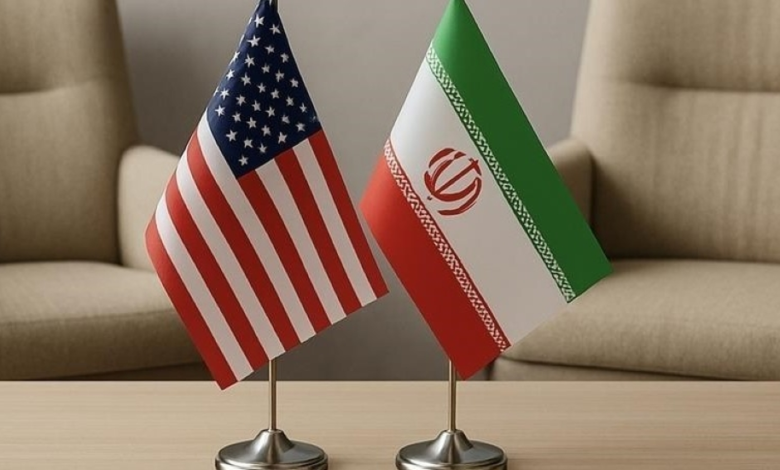

أعلنت وكالة الأنباء الإيرانية رسمياً عن انتهاء المحادثات الثلاثية التي جمعت بين كل من إيران والولايات المتحدة الأمريكية وباكستان، والتي أقيمت في العاصمة الباكستانية إسلام آباد. وتأتي هذه الجولة من المفاوضات في توقيت بالغ الحساسية، حيث تسعى الأطراف المعنية إلى إيجاد تسوية شاملة تهدف إلى وضع حد نهائي للتوترات والنزاعات المستمرة في منطقة الشرق الأوسط.
تفاصيل المطالب الأمريكية بشأن مضيق هرمز
أفادت وكالتا الأنباء الإيرانيتان ‘فارس’ و’تسنيم’ بأن الولايات المتحدة الأمريكية طرحت خلال هذه المحادثات ما وصفته طهران بـ ‘مطالب مبالغ فيها’ تتعلق بوضع مضيق هرمز الاستراتيجي. وتزامنت هذه التطورات الدبلوماسية مع تحركات عسكرية على الأرض، حيث عبرت سفينتان حربيتان أمريكيتان مياه المضيق ضمن عمليات تهدف إلى إزالة الألغام البحرية، وذلك على خلفية الإجراءات التي اتخذتها طهران والتي أدت عملياً إلى إغلاق المضيق أو تقييد الملاحة فيه خلال فترات التصعيد العسكري الأخيرة.
الأهمية الاستراتيجية والتاريخية لمضيق هرمز
لفهم طبيعة هذه المحادثات، يجب النظر إلى الخلفية التاريخية والأهمية الجيوسياسية لمضيق هرمز. يُعد المضيق واحداً من أهم الممرات المائية في العالم، حيث يمر عبره نحو خُمس استهلاك العالم من النفط الخام يومياً. تاريخياً، استخدمت إيران موقعها الجغرافي المطل على المضيق كورقة ضغط استراتيجية في مواجهاتها الدبلوماسية والعسكرية مع الدول الغربية، بدءاً من ‘حرب الناقلات’ في ثمانينيات القرن الماضي، وصولاً إلى التوترات الحالية المرتبطة بالعقوبات الاقتصادية والبرنامج النووي الإيراني.
التأثير الإقليمي والدولي للمحادثات
تحمل هذه المحادثات تأثيراً بالغ الأهمية على المستويات المحلية والإقليمية والدولية. على الصعيد الدولي، يعتبر ضمان حرية الملاحة في مضيق هرمز أولوية قصوى للاقتصاد العالمي؛ فأي إغلاق أو تهديد للملاحة يؤدي فوراً إلى ارتفاع حاد في أسعار الطاقة العالمية، مما يهدد بزيادة معدلات التضخم وتضرر سلاسل الإمداد. ولذلك، تبرر واشنطن تواجدها العسكري، المتمثل في الأسطول الخامس، بضرورة حماية هذا الشريان الحيوي.
الدور الباكستاني في الوساطة الإقليمية
من جهة أخرى، يبرز الدور الباكستاني في هذه المحادثات كعامل محوري. تمتلك باكستان حدوداً برية طويلة مع إيران، وتربطها في الوقت ذاته علاقات استراتيجية مع الولايات المتحدة. هذا الموقع المزدوج يجعل من إسلام آباد وسيطاً مقبولاً لمحاولة تقريب وجهات النظر وتخفيف حدة الاحتقان. إن نجاح هذه المحادثات الثلاثية قد يمهد الطريق نحو استقرار أمني أوسع، ويقلل من احتمالات اندلاع مواجهة عسكرية مباشرة قد تحرق الأخضر واليابس في منطقة الشرق الأوسط.
آفاق السلام ومستقبل المنطقة
في الختام، يبقى التساؤل مطروحاً حول مدى قدرة هذه المحادثات على تحقيق اختراق دبلوماسي حقيقي. إن التوصل إلى تفاهمات مشتركة حول أمن الملاحة البحرية وإزالة الألغام يمثل الخطوة الأولى نحو بناء ثقة متبادلة، وإن كانت هشة، بين واشنطن وطهران. ومع استمرار الجهود الدبلوماسية، يترقب المجتمع الدولي بحذر ما ستسفر عنه الأيام القادمة من قرارات قد تعيد رسم الخريطة الجيوسياسية والأمنية للشرق الأوسط بأكمله، وتضمن استمرار تدفق إمدادات الطاقة بسلام إلى كافة أنحاء العالم.