
أعلن وزير الخارجية الإيراني، عباس عراقجي، يوم الثلاثاء، عن تطورات إيجابية في مسار العلاقات المتوترة مع الولايات المتحدة، مشيراً إلى أن الجولة الثانية من المحادثات التي عقدت في جنيف قد فتحت "نافذة لفرصة جديدة" لإنهاء حالة الجمود والمواجهة القائمة بين البلدين. وتأتي هذه التصريحات في وقت تشهد فيه المنطقة توترات متصاعدة، مما يضفي أهمية استثنائية على هذه اللقاءات الدبلوماسية.
وساطة عمانية ومساعٍ لتجنب الحرب
أوضح عراقجي خلال مؤتمر نزع السلاح في جنيف أن المحادثات، التي تجري بوساطة حيوية من سلطنة عمان، تهدف بشكل أساسي إلى تجنب أي عمل عسكري أمريكي محتمل ضد طهران. وتلعب مسقط دوراً تاريخياً محورياً في تقريب وجهات النظر بين طهران واشنطن، حيث سبق لها استضافة مفاوضات سرية مهدت للاتفاق النووي عام 2015. وتسعى طهران من خلال هذه النافذة الدبلوماسية إلى تحقيق هدف استراتيجي يتمثل في رفع العقوبات الأمريكية القاسية التي تسببت في شلل شبه تام للاقتصاد الإيراني، مما أثر بشكل مباشر على معيشة المواطنين.
التهديدات الأمريكية والسياق المتوتر
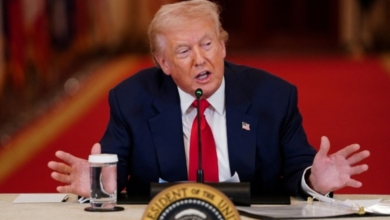
تأتي هذه المحادثات في ظل أجواء مشحونة، حيث سبق للرئيس الأمريكي دونالد ترامب أن وجه تحذيرات شديدة اللهجة لطهران، مهدداً بعواقب وخيمة في حال عدم التوصل إلى اتفاق. وقد لوح ترامب مراراً بإمكانية التدخل العسكري، رابطاً تهديداته بملفين رئيسيين: الأول يتعلق بحملة القمع الدامية التي شهدتها التظاهرات في إيران الشهر الماضي، والثاني يرتبط بتسارع وتيرة البرنامج النووي الإيراني. هذا السياق يضع المفاوضين أمام تحديات جسيمة لتحويل التهديدات إلى فرص للحل.
شروط طهران لاتفاق مستدام
وفي معرض حديثه عن شكل الاتفاق المأمول، شدد وزير الخارجية الإيراني على ضرورة أن تكون أي تسوية "مستدامة" وقائمة على التفاوض الذي يخدم مصالح جميع الأطراف المعنية واستقرار المنطقة ككل. وأكد عراقجي أن الاتفاق القابل للتطبيق يجب أن يتضمن "الاعتراف الكامل بحقوق إيران المشروعة"، وأن يكون محصناً ضد الإجراءات الأحادية الجانب، لضمان تحقيق فوائد ملموسة تنهي العزلة الاقتصادية المفروضة على بلاده.
الأهمية الإقليمية والدولية للمحادثات
تكتسب هذه المحادثات أهمية قصوى تتجاوز العلاقات الثنائية، حيث يراقب المجتمع الدولي، ودول الجوار الإقليمي، مخرجات اجتماع جنيف بحذر. فنجاح هذه المفاوضات قد يعني تجنيب منطقة الشرق الأوسط حرباً مدمرة قد تؤثر على إمدادات الطاقة العالمية عبر مضيق هرمز، بينما قد يؤدي فشلها إلى تصعيد غير مسبوق يعيد خلط الأوراق الأمنية والسياسية في المنطقة.