In a new escalation of rhetoric between Tehran and Washington, Iran warned on Monday that it would not hesitate to respond "forcefully and decisively" to any US attack on its territory, categorically rejecting the term "limited strikes" recently used by US officials. This warning comes amid unprecedented tensions in the Middle East, following US President Donald Trump's announcement that he was considering limited military strikes against the Islamic Republic should diplomatic efforts fail.
A firm rejection of the concept of a limited strike
Iranian Foreign Ministry spokesman Esmail Baghaei, speaking at a press conference attended by international correspondents, asserted that Tehran does not recognize the concept of a "limited strike." Baghaei stated emphatically, "There is no such thing as a limited strike in our military lexicon; any aggression, regardless of its scale, will be considered a declaration of war and an act of blatant aggression." He emphasized that any country subjected to aggression has the inherent and legitimate right to defend itself, a right that Iran will exercise without hesitation.
Military moves and the diplomatic track
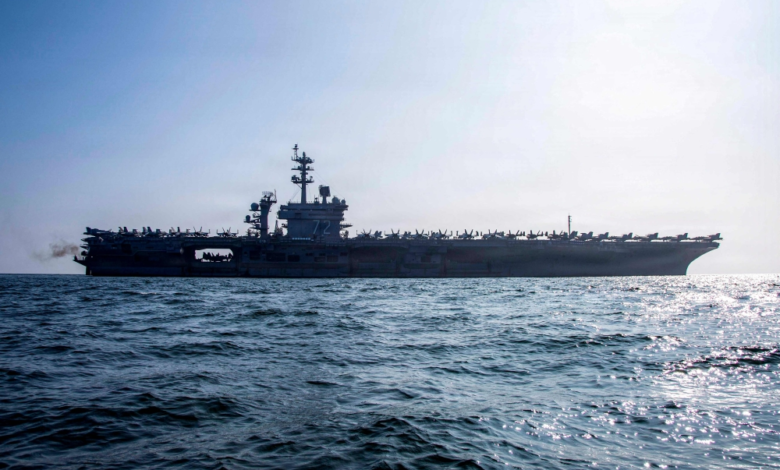
These threats coincide with the US military buildup in the Middle East, a strategy aimed at intensifying maximum pressure on Tehran and pushing it to the negotiating table. A new round of indirect talks, mediated by Oman, is scheduled to resume on Thursday in Switzerland. These talks have been confirmed by both Tehran and Muscat, while Washington has remained officially silent on their details. By brandishing the military option, the US seeks to impose new conditions should a comprehensive nuclear or security agreement not be reached.
The European stance and fears of a regional explosion
Internationally, the European Union expressed deep concern about the potential for the region to slide into open war. Ahead of a meeting of EU foreign ministers, EU foreign policy chief Kaja Kallas called for prioritizing a diplomatic solution. "We don't need another war in this volatile region; we already have too many," Kallas stated. The EU official noted that Iran is currently at what may be its "weakest point ever," urging that this moment be used to find diplomatic solutions rather than resorting to military escalation.
Tehran faces internal and regional challenges
This escalation comes at a time when Iranian authorities are facing complex domestic and regional challenges. The country recently witnessed a wave of popular protests that peaked last January, placing additional pressure on the regime. Furthermore, Tehran has suffered a decline in the influence of some of its regional allies, as well as the repercussions of past military confrontations, including the so-called 12-day war with Israel last year. These factors combined present the Iranian leadership with difficult choices between military escalation or making diplomatic concessions to avoid a strike that could exacerbate its internal crises.