
تفاصيل إسقاط مقاتلة أمريكية ثانية في إيران
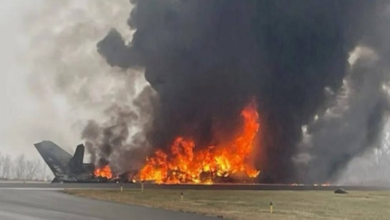
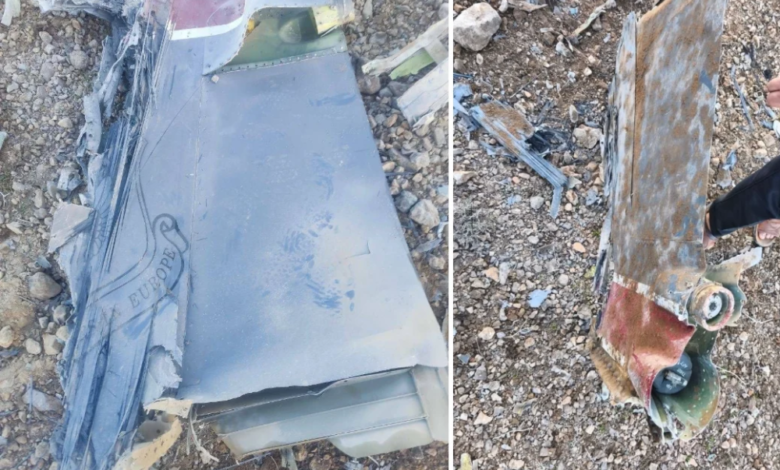
في تصعيد عسكري لافت ينذر بتداعيات واسعة، أعلن الجيش الإيراني، يوم الجمعة، عن تمكن أنظمة الدفاع الجوي التابعة له من إسقاط مقاتلة أمريكية ثانية. ووفقاً لما نقلته هيئة الإذاعة والتلفزيون الإيرانية الرسمية، فإن الطائرة المستهدفة من طراز “إيه-10” (A-10) قد أُصيبت بنيران المضادات الأرضية الإيرانية وسقطت داخل الأراضي الإيرانية. يأتي هذا الحادث الخطير في أعقاب تقارير سابقة أكدت تحطم مقاتلة أمريكية أخرى من طراز “إف-15” (F-15) في المناطق الجنوبية الغربية من البلاد، مما يضع المنطقة بأسرها على صفيح ساخن.
السياق العام والخلفية التاريخية للتوترات الجوية
لا يُعد هذا الحادث معزولاً عن السياق العام للتوترات التاريخية والمستمرة بين الولايات المتحدة الأمريكية والجمهورية الإسلامية الإيرانية. فمنذ عقود، تشهد الأجواء الإقليمية، لا سيما فوق مياه الخليج العربي ومضيق هرمز والمناطق الحدودية، احتكاكات متكررة بين القوات الجوية والبحرية للبلدين. وتاريخياً، سعت طهران إلى تعزيز قدرات الردع لديها من خلال تطوير منظومات دفاع جوي محلية الصنع، مثل منظومات “خرداد” و”باور 373″، إلى جانب المنظومات المستوردة، بهدف حماية مجالها الجوي من أي اختراقات.
ولعل أبرز الحوادث المشابهة في الذاكرة القريبة هو إسقاط الحرس الثوري الإيراني لطائرة استطلاع أمريكية مسيرة من طراز “جلوبال هوك” في عام 2019، وهو الحدث الذي كاد أن يشعل مواجهة عسكرية مباشرة بين الطرفين. إن تكرار مثل هذه الحوادث يعكس حالة الاستنفار القصوى التي تعيشها القوات المسلحة الإيرانية، وحرص واشنطن في المقابل على مراقبة الأنشطة الإيرانية عن كثب.
أهمية الحدث وتأثيره المتوقع إقليمياً ودولياً
يحمل إعلان الجيش الإيراني عن إسقاط مقاتلتين أمريكيتين دلالات استراتيجية عميقة وتأثيرات متوقعة تمتد لتشمل المستويات المحلية والإقليمية والدولية.
التأثير المحلي والإقليمي
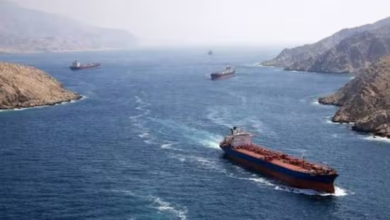
على الصعيد المحلي، تستخدم القيادة الإيرانية هذه التطورات لتعزيز التلاحم الداخلي وإثبات كفاءة منظومات الدفاع الجوي الوطنية في التصدي لما تصفه بالتهديدات الخارجية، مما يرفع من الروح المعنوية للقوات المسلحة. أما على الصعيد الإقليمي، فإن هذا التصعيد يبعث برسائل تحذيرية شديدة اللهجة إلى حلفاء واشنطن في الشرق الأوسط، ويؤكد على قدرة طهران على استهداف الأصول العسكرية الأمريكية المتواجدة في القواعد المنتشرة في المنطقة. كما أن مثل هذه الحوادث تزيد من مخاوف اندلاع نزاع مسلح قد يهدد أمن الملاحة البحرية في مضيق هرمز، الذي يمر عبره جزء كبير من إمدادات الطاقة العالمية.
التداعيات الدولية والاقتصادية
دولياً، من المتوقع أن يثير هذا الحادث ردود فعل غاضبة من الإدارة الأمريكية، مما قد يؤدي إلى فرض عقوبات اقتصادية جديدة أو تحركات عسكرية مضادة. وعلاوة على ذلك، فإن الأسواق العالمية، وخاصة أسواق النفط، غالباً ما تتفاعل بسرعة مع أي توتر أمني في منطقة الشرق الأوسط، مما قد يؤدي إلى تذبذب حاد في أسعار الطاقة. ويبقى المجتمع الدولي، ممثلاً في الأمم المتحدة ومجلس الأمن، أمام تحدٍ كبير لاحتواء الموقف ومنع انزلاق المنطقة نحو مواجهة عسكرية شاملة لا تُحمد عقباها.