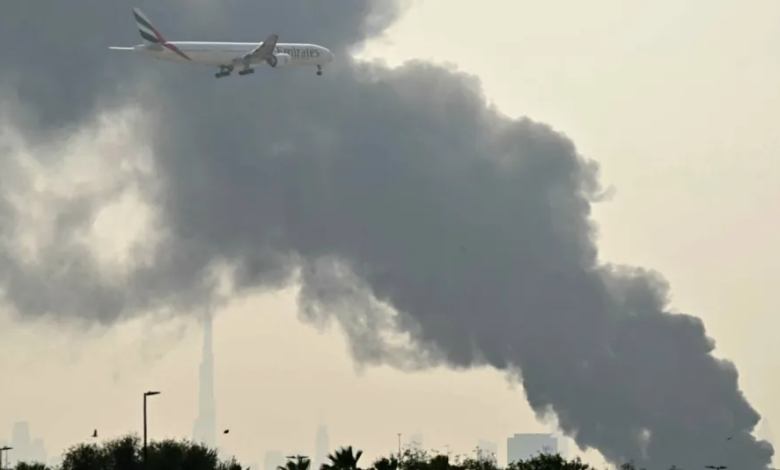

تصعيد أمني مفاجئ في الخليج العربي
في تطور أمني خطير يهدد استقرار منطقة الشرق الأوسط، أفادت التقارير بتعرض كل من دولة الكويت ودولة الإمارات العربية المتحدة لهجمات مفاجئة باستخدام مسيرات وصواريخ إيرانية، وذلك على الرغم من وجود اتفاقيات لوقف إطلاق النار والتهدئة في المنطقة. يمثل هذا التصعيد خرقاً واضحاً للجهود الدبلوماسية الرامية إلى إحلال السلام، ويضع المنطقة أمام سيناريوهات معقدة قد تؤثر بشكل مباشر على الأمن الإقليمي والعالمي.
السياق العام والخلفية التاريخية للتوترات
تاريخياً، تعتبر منطقة الخليج العربي واحدة من أهم الممرات المائية والاستراتيجية في العالم، حيث يمر عبرها جزء كبير من إمدادات الطاقة العالمية. لطالما شهدت المنطقة توترات أمنية متكررة، لا سيما مع تنامي قدرات الترسانة العسكرية الإيرانية، وتحديداً في مجالي الصواريخ الباليستية والطائرات المسيرة (بدون طيار). وقد استثمرت طهران بكثافة في تطوير هذه الأسلحة، مثل طائرات “شاهد” الانتحارية والصواريخ الدقيقة، والتي باتت تشكل ورقة ضغط في الصراعات الإقليمية.
لا يعد استهداف البنية التحتية في دول الخليج سابقة تاريخية؛ ففي عام 2019، تعرضت منشآت نفطية تابعة لشركة أرامكو السعودية لهجمات غير مسبوقة أثرت على إمدادات النفط العالمية. وفي مطلع عام 2022، تعرضت العاصمة الإماراتية أبوظبي لهجمات بصواريخ ومسيرات تبنتها جماعة الحوثي المدعومة من إيران. هذه الحوادث المتراكمة تؤكد أن التهديدات الجوية باتت تشكل التحدي الأبرز للأمن القومي لدول مجلس التعاون الخليجي، مما دفع هذه الدول إلى تعزيز منظومات الدفاع الجوي وتوسيع شراكاتها الأمنية الدولية.
الأهمية الاستراتيجية وتأثير الحدث إقليمياً ودولياً
إن توجيه ضربات مباشرة باستخدام مسيرات وصواريخ إيرانية نحو الكويت والإمارات في ظل سريان وقف إطلاق النار يحمل دلالات وتداعيات خطيرة تتجاوز الحدود الجغرافية للدولتين، ويمكن تلخيصها في النقاط التالية:
1. التأثير المحلي والإقليمي
على الصعيد المحلي، تفرض هذه الهجمات تحديات أمنية واقتصادية مباشرة على الكويت والإمارات، وتستدعي رفع حالة التأهب القصوى لحماية المدنيين والمنشآت الحيوية. إقليمياً، يقوض هذا التصعيد مساعي التهدئة التي قادتها دول المنطقة مؤخراً لخفض التوتر، ويعيد خلط الأوراق الدبلوماسية، مما قد يدفع دول الخليج إلى تسريع وتيرة التعاون العسكري المشترك وتفعيل اتفاقيات الدفاع المشترك لمواجهة التهديدات العابرة للحدود.
2. التأثير الدولي والاقتصادي
دولياً، يثير هذا الحدث قلقاً بالغاً لدى القوى الكبرى، وعلى رأسها الولايات المتحدة الأمريكية والدول الأوروبية، نظراً لارتباط أمن الخليج بأمن الاقتصاد العالمي. أي تهديد للملاحة أو للمنشآت النفطية في الكويت والإمارات ينعكس فوراً على أسواق الطاقة، مما قد يؤدي إلى تقلبات حادة في أسعار النفط والغاز. علاوة على ذلك، فإن خرق وقف إطلاق النار يضع المجتمع الدولي ومجلس الأمن التابع للأمم المتحدة أمام مسؤولية قانونية لاتخاذ قرارات حاسمة لردع هذه الانتهاكات وضمان حرية الملاحة.
مستقبل الأمن والهدنة في المنطقة
في الختام، يمثل هذا الهجوم منعطفاً حرجاً في مسار العلاقات الإقليمية. إن استمرار استخدام المسيرات والصواريخ كأدوات للضغط السياسي والعسكري يتطلب استجابة دولية موحدة وحازمة. ستبقى الأيام القادمة حاسمة في تحديد طبيعة الرد الدبلوماسي والأمني من قبل الكويت والإمارات والمجتمع الدولي، وسط دعوات متزايدة لضرورة إيجاد آليات ملزمة تمنع انتشار تكنولوجيا الطائرات المسيرة والصواريخ التي تهدد السلم والأمن الدوليين.