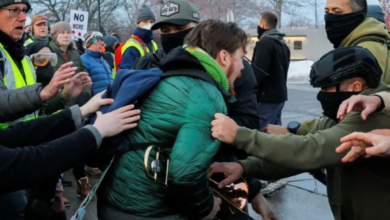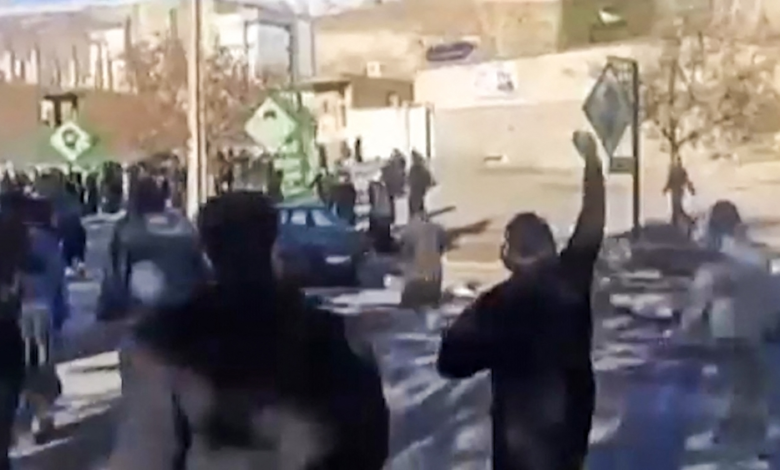

In a significant development in the ongoing events in the Islamic Republic, Iranian President Masoud Pezeshkian called for "maximum restraint" in dealing with the wave of protests sweeping the country, which has now entered its twelfth consecutive day. This call comes amidst field reports indicating clashes in several areas, prompting direct presidential intervention to try to calm the situation and contain the crisis through political channels and dialogue.
A call for dialogue and rejection of violence
President Pezeshkian issued an official statement on his website, emphasizing the need to avoid any violent or harsh treatment of protesters. The president, considered a moderate reformist, stressed the importance of "dialogue, communication, and listening to the people's demands," asserting that a purely security-based approach cannot replace listening to the voice of the people and addressing the root causes of the problems that led to the protests.
Political context and historical background
Pezeshkian's statements take on particular significance given his political background and the circumstances surrounding his recent election. He came to power promising openness, a relaxation of social restrictions, and an improvement in the country's deteriorating economic situation, a consequence of Western sanctions and mismanagement. These protests represent the first real and serious test of his administration, as the Iranian public and the international community closely observe his ability to fulfill his promises to protect civil liberties and prevent a repeat of the violent crackdowns witnessed in previous years, such as the 2019 protests or the 2022 protests that erupted following the death of Mahsa Amini.
Economic and social challenges
These protests cannot be separated from the broader context in Iran, where citizens face immense economic pressures, including soaring inflation, a plummeting currency, and shortages of basic services. These accumulated factors, coupled with social and political demands, create a fertile ground for continued popular unrest. The president's call for restraint is an attempt to balance maintaining public order with acknowledging the legitimacy of public grievances, at a time when the government is striving to avoid any escalation that could deepen its international isolation or lead to new sanctions.
Expected impact and importance of the event
The Iranian government's handling of these protests carries significant implications both regionally and internationally. Pezeshkian's success in containing the crisis through dialogue could send positive signals abroad about a potential shift in Tehran's political approach, potentially facilitating negotiations on the nuclear issue and the lifting of sanctions. Conversely, resorting to excessive force could undermine the legitimacy of the new president and weaken his position both domestically, with hardliners, and internationally. Therefore, the coming days are crucial in determining the course of events and the future of internal stability in Iran.