Iraq bans the import of 48 agricultural products after achieving self-sufficiency

In a strategic move reflecting the recovery of the agricultural sector in Iraq, the Ministry of Agriculture officially announced self-sufficiency in more than 48 agricultural and livestock products, prompting the issuance of firm decisions to ban their import. This announcement confirms the continued growth and development of the agricultural sector, despite the harsh environmental challenges facing the country.
The challenge of drought and qualitative achievement
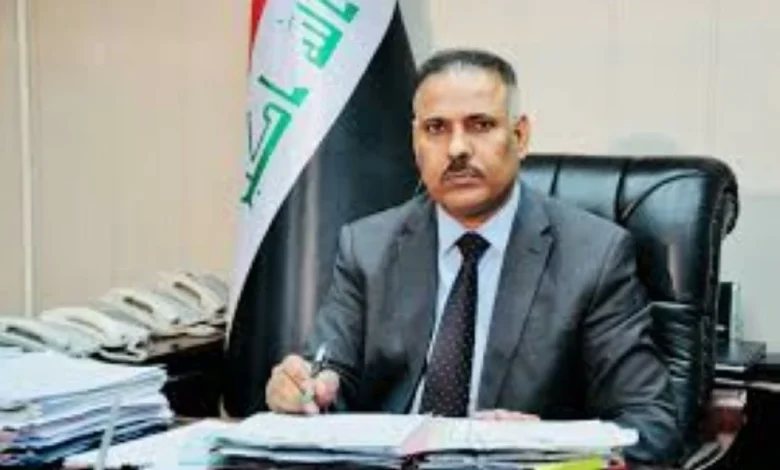
The Deputy Minister of Agriculture, Mahdi al-Jubouri, affirmed that the agricultural sector in Iraq is growing at a remarkable pace, defying water scarcity and the severe climate changes affecting the region. This achievement is particularly significant given the overall context in Iraq, where the country has suffered from droughts and declining water levels in the Tigris and Euphrates rivers in recent years, making self-sufficiency in strategic crops a major challenge that the Ministry and farmers have successfully overcome.
Modern farming strategies
Al-Jubouri explained that the ministry has adopted ambitious plans to provide agricultural crops, including summer and winter vegetables. Modern technologies have been heavily relied upon to maximize production and rationalize water consumption, such as:
- Use of protected agriculture (greenhouses) during the winter seasons.
- Applying drip irrigation techniques to reduce water waste.
- Continuing with improved traditional methods for summer crops.
List of prohibited products and economic impact
These measures contributed to a surplus in production, leading to a ban on the import of more than 48 products. The list includes staple crops such as tomatoes, potatoes, and various leafy greens like lettuce and cauliflower. The ban on importing all types of dates, in place since 2003 to protect Iraq's status as one of the world's largest date producers, remains in effect.
Self-sufficiency was not limited to plant crops, but extended to animal products such as table eggs, honey, and chicken meat (live and frozen). These decisions aim to:
- Supporting the Iraqi farmer: by ensuring the marketing of his products without unfair competition from importers.
- Economic stability: Keeping hard currency within the country and reducing the import bill.
- Market balance: Controlling prices by balancing supply and demand and preventing the entry of smuggled goods.
This development is a positive indicator of the Iraqi economy’s ability to diversify and reduce its overall dependence on oil, thereby strengthening national food security amidst the volatility of global markets.