
مقدمة: مرحلة سياسية جديدة في العراق
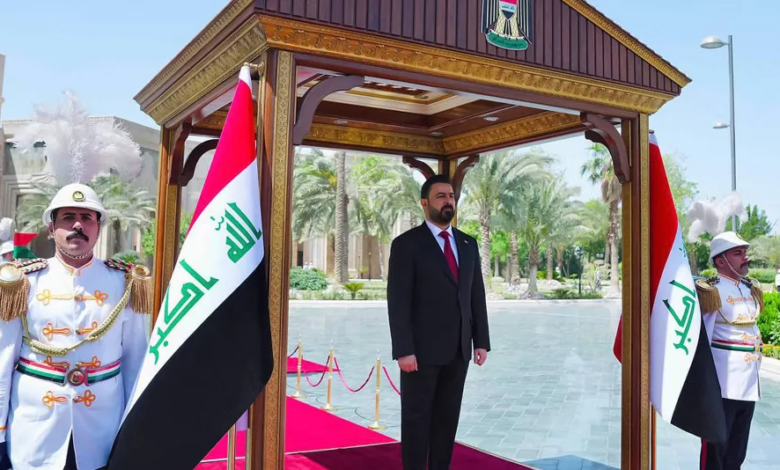
في خطوة هامة نحو تعزيز الاستقرار السياسي والمؤسساتي في البلاد، تسلم رئيس الوزراء العراقي الجديد مهامه الرسمية، ليبدأ مرحلة جديدة من العمل الحكومي وسط تطلعات شعبية واسعة. وقد أكد في أولى تصريحاته على التزامه الكامل بتعزيز علاقات العراق في محيطه العربي والدولي، مما يعكس توجهاً استراتيجياً نحو الانفتاح الدبلوماسي واستعادة دور العراق المحوري في المنطقة.
السياق العام والخلفية التاريخية
تأتي هذه الخطوة في ظل ظروف سياسية واقتصادية معقدة مر بها العراق خلال السنوات الماضية. فمنذ عام 2003، واجهت الحكومات العراقية المتعاقبة تحديات كبيرة في تحقيق التوافق السياسي وبناء مؤسسات دولة قادرة على تلبية احتياجات المواطنين. وعادة ما تتسم عملية تشكيل الحكومة في العراق بمفاوضات مطولة بين مختلف الكتل السياسية لضمان تمثيل متوازن. تسلم رئيس الوزراء العراقي لمهامه اليوم يمثل تتويجاً لجهود حثيثة تهدف إلى إنهاء حالة الانسداد السياسي، والبدء بتنفيذ برنامج حكومي يركز على الإصلاح الشامل وتجاوز أزمات الماضي.
أهمية الحدث والتأثير المحلي المتوقع
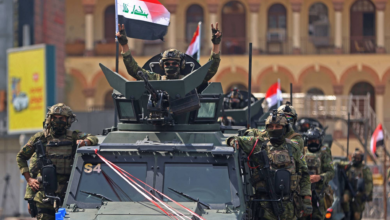
على الصعيد المحلي، يحمل تسلم رئيس الوزراء العراقي الجديد لمهامه أهمية بالغة للمواطن العراقي الذي يترقب تحسينات ملموسة في واقعه اليومي. من المتوقع أن تركز الحكومة الجديدة على ملفات حيوية تشمل مكافحة الفساد الإداري والمالي، تحسين الخدمات الأساسية مثل الكهرباء والصحة والتعليم، وتوفير فرص عمل للشباب. كما أن استقرار الحكومة ينعكس إيجاباً على الوضع الأمني، مما يساهم في تعزيز سلطة القانون والقضاء على ما تبقى من خلايا إرهابية تهدد أمن واستقرار المدن العراقية، وهو ما يمثل أولوية قصوى في البرنامج الحكومي.
التأثير الإقليمي: تعزيز العلاقات العربية
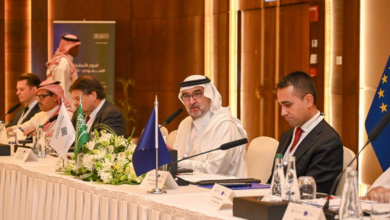
إقليمياً، يبرز تعهد رئيس الوزراء بتعزيز العلاقات العربية كرسالة طمأنة لدول الجوار والمنطقة. يسعى العراق إلى لعب دور صانع السلام والوسيط الموثوق، وهو دور بدأ يتبلور في السنوات الأخيرة من خلال استضافة بغداد لجولات حوار مهمة بين قوى إقليمية فاعلة. إن تقوية الروابط مع الدول العربية، وخاصة دول الخليج العربي، سيفتح آفاقاً واسعة للتعاون الاقتصادي، والاستثمار في قطاعات الطاقة والبنية التحتية، فضلاً عن التنسيق الأمني المشترك لضبط الحدود ومكافحة الجريمة المنظمة.
الأبعاد الدولية والانفتاح العالمي
على المستوى الدولي، يدرك رئيس الوزراء العراقي الجديد أن استقرار بلاده يرتبط ارتباطاً وثيقاً بعلاقاتها مع المجتمع الدولي. التعهد بتعزيز العلاقات الدولية يترجم إلى سعي عراقي جاد لجذب الاستثمارات الأجنبية، وتفعيل الاتفاقيات الاستراتيجية مع القوى الكبرى، والتعاون مع المنظمات الدولية لدعم خطط التنمية المستدامة. كما أن المجتمع الدولي ينظر باهتمام إلى استقرار العراق كعامل حاسم في استقرار الشرق الأوسط بأسره، مما يجعل الدعم الدولي للحكومة الجديدة أمراً متوقعاً وضرورياً لنجاح برامجها الإصلاحية والاقتصادية.
خاتمة
ختاماً، يمثل تسلم رئيس الوزراء العراقي لمهامه وتعهداته الدبلوماسية نقطة انطلاق واعدة نحو مستقبل أفضل للعراق. إن التوازن بين تلبية المطالب المحلية الملحة والانفتاح الإقليمي والدولي المدروس سيكون المفتاح لنجاح هذه الحكومة في عبور التحديات الراهنة، واستعادة مكانة العراق الطبيعية كدولة فاعلة ومؤثرة في محيطها العربي والعالمي.