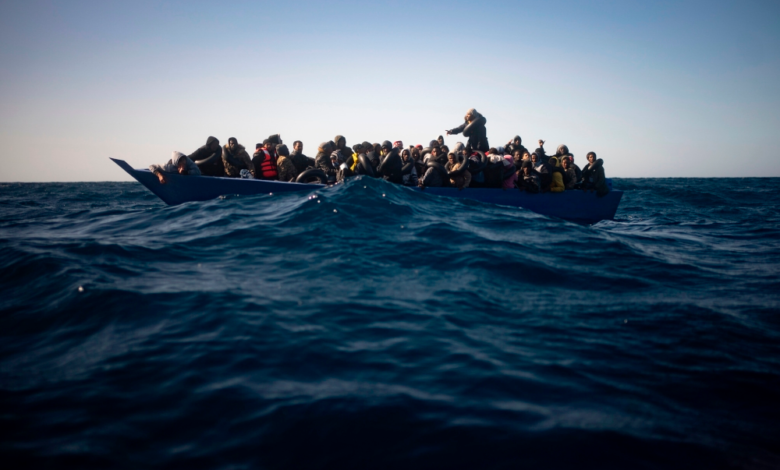

Spain witnessed a significant shift in its immigration policy during 2025, with official data from the Ministry of the Interior showing a substantial decrease in the number of irregular migrants arriving in the country, down 42.6% compared to the previous year. This decline follows a record year of influxes, indicating fundamental changes in the dynamics of migration across the Mediterranean and the Atlantic.
Statistics and figures reflect the transformation
According to official figures, the total number of migrants arriving in Spain in 2025 reached 36,775, the vast majority of whom took perilous sea routes. This figure represents a significant decrease compared to 2024, which saw the arrival of 64,019 migrants, placing immense pressure on reception and accommodation centers in southern Spain.
The most significant change was in the Canary Islands archipelago in the Atlantic Ocean, long considered the main gateway for migrants from West Africa. Numbers there fell by 62%, with only 17,800 migrants arriving compared to 46,850 the previous year, reflecting the relative success of tightened security measures at departure points.
The map of migration routes is changing: the rise of the Balearic Islands
In contrast to the relative calm in the Atlantic, the Balearic Islands in the Mediterranean have seen a significant increase in arrivals. Data indicates a 24.5% rise, from 5,900 to 7,300 migrants, most of whom departed from the Algerian coast. This shift illustrates the phenomenon of "extreme vessels" in migration, where the closure of one route and increased surveillance often lead migrants to seek alternative routes that may be less monitored at certain times.
Diplomatic role and international agreements
Experts and observers, including the European Border and Coast Guard Agency (Frontex), attribute this overall decrease to intensive diplomatic efforts led by Madrid and Brussels. Improved bilateral relations between Spain and Morocco have played a pivotal role in controlling the northern coast of the Kingdom of Morocco, a major departure point for boats.
Furthermore, the strategic partnership between the European Union and Mauritania has yielded tangible results. In 2024, Mauritania signed an agreement with the EU aimed at combating irregular migration and reducing dangerous crossings, in exchange for a €210 million funding package. This financial and logistical support has helped strengthen the Mauritanian authorities' capacity to monitor their coastlines and prevent boats from departing for the Canary Islands.
Ongoing human cost
Despite the decline in numbers, the human cost of these journeys remains immense and tragic. The NGO Caminando Fronteras estimated that more than 3,000 people drowned while attempting to reach the European dream via the Spanish coast in 2025. These figures remind us that a decrease in official arrival statistics does not necessarily mean an end to human tragedies at sea, necessitating the continued search for fundamental solutions that address the root causes of migration in the countries of origin.