In a new security development reflecting the ongoing challenges in northeastern Syria, a member of the security forces was killed in an armed attack targeting a checkpoint in Raqqa. The attack was attributed to cells affiliated with ISIS. This incident underscores the continued security risks in the city, which was once the main stronghold of the extremist group, despite years having passed since its liberation.
Details of the security situation in Raqqa
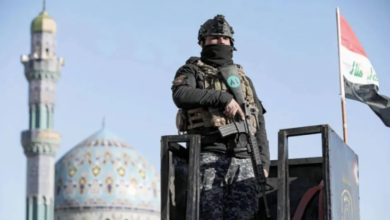
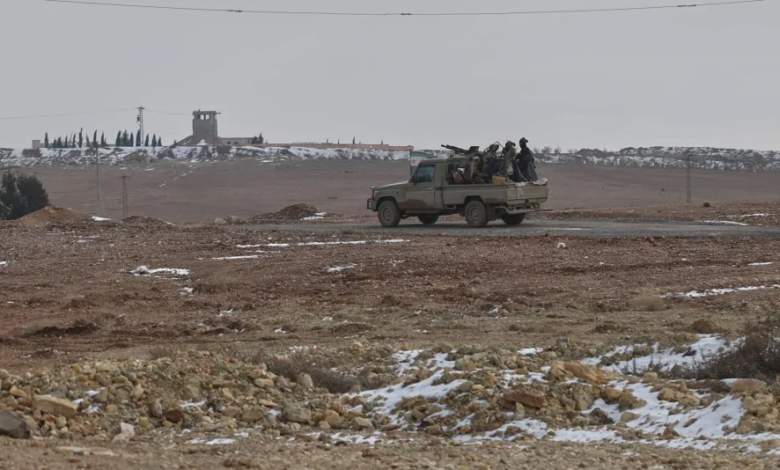
The city of Raqqa and its surrounding areas witness sporadic surprise attacks targeting security checkpoints and military patrols belonging to the Syrian Democratic Forces (SDF) and the Internal Security Forces (Asayish). These attacks often rely on hit-and-run tactics or the use of silenced weapons and improvised explosive devices, indicating the continued activity of so-called "sleeper cells" attempting to destabilize the region and assert their presence despite losing territorial control.
Historical background: Raqqa from "capital of the caliphate" to liberation
This event cannot be understood in isolation from the city's historical context. For years, Raqqa was the most prominent stronghold of ISIS in Syria, and the group declared it the "capital of its so-called caliphate" before it was fully liberated in October 2017 with the support of the US-led international coalition. Despite the group's crushing military defeat and the loss of all its territory, its remnants withdrew towards the Syrian desert and rural areas, regrouping into small, clandestine cells.
War of Attrition strategy
This attack demonstrates the organization's current strategy of "war of attrition," whereby it seeks to exploit security gaps to launch sophisticated attacks aimed at exhausting the controlling security forces and instilling fear in civilians to prevent them from cooperating with local authorities. These operations are typically concentrated in areas with terrain that facilitates concealment and rapid withdrawal.
Future impacts and concerns
The recurrence of these incidents raises local and international concerns about the potential for a wider resurgence of the organization, threatening reconstruction efforts and social stability in Raqqa. This situation also places additional pressure on the international coalition to bolster its intelligence and military support for local forces to ensure that such dark scenarios do not return, and underscores the urgent need for comprehensive political and economic solutions that address the root causes of terrorism and prevent the recruitment of new members.