Islamic Affairs directives for Ramadan: Photography prohibited and mosque regulations

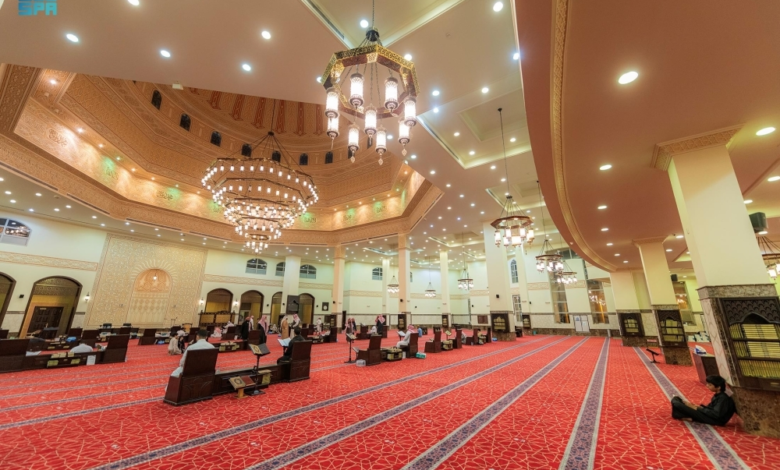
As part of its intensive preparations to welcome the holy month of Ramadan, the Ministry of Islamic Affairs, Call and Guidance in the Kingdom of Saudi Arabia issued a set of important directives and instructions aimed at preparing mosques and prayer halls in various regions of the Kingdom, to ensure the provision of a suitable spiritual atmosphere for worshippers and pilgrims during the holy month.
Prayer guidelines and Ramadan lessons
In its circular to imams and muezzins, the Ministry stressed the necessity of full adherence to Sharia and regulatory guidelines. It emphasized the importance of performing the Qunut supplication with humility and reverence, without prolonging it in a way that burdens worshippers, and of ensuring the organization of Ramadan lessons and lectures that contribute to raising community awareness. The directives also specified a time limit of 15 minutes for the call to prayer (Adhan) and the commencement of prayer (Iqamah) to ensure timeliness, while emphasizing the need to conclude the Tahajjud prayer during the last ten nights of Ramadan well before the Fajr prayer, allowing those fasting sufficient time to eat their pre-dawn meal (Suhoor) and prepare for Fajr prayer.
Photography is prohibited and the privacy of worshippers is protected
In order to preserve the spirituality of the month and the sanctity of worship, the directives included a strict ban on the use of cameras to film the imam and worshippers during prayers. This is to prevent any disturbance to those engaged in prayer and to protect the privacy of those frequenting mosques. This directive is an extension of the Ministry's policies in recent years, which aim to ensure that mosques remain purely places of worship, free from media attention or ostentatious displays that could detract from the true purpose of worship.
Organizing the retreat and combating negative phenomena
Regarding the practice of i'tikaf (seclusion in the mosque for worship), the Ministry called on mosque officials to organize this ritual according to specific guidelines, including verifying the identities of those observing i'tikaf and registering their information to ensure security and order. Simultaneously, the Ministry emphasized the prohibition of begging inside mosques or at their entrances, directing mosque staff to deal firmly with this phenomenon, which detracts from the mosque's civilized appearance and disturbs worshippers.
Care of facilities and women's prayer areas
Regarding logistical services, the Ministry directed the intensification of daily field visits to ensure the cleanliness and readiness of mosques, with a particular focus on women's prayer areas, to guarantee a safe and clean environment befitting the sanctity of the holy month. These steps reflect the Kingdom's ongoing commitment to serving the houses of God and enhancing services provided to pilgrims, in line with the general objectives of caring for Islamic holy sites.