Israel intercepts Iranian missiles and bombs Tehran in a dangerous escalation

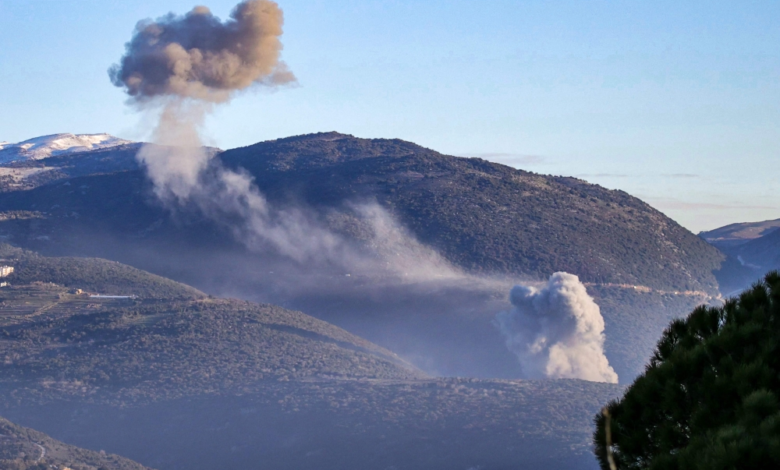
In a rapidly escalating development that threatens a large-scale regional escalation, the Israeli army announced this morning that it had detected the launch of two missiles from Iranian territory towards the northern regions, coinciding with the Israeli Ministry of Defense's announcement of preemptive strikes targeting the Iranian capital, Tehran.
Details of the missile interception in northern Israel
Israeli military sources confirmed the activation of air defense systems, which successfully intercepted two Iranian missiles over northern Israel. Sirens wailed continuously across a wide area, including the Galilee, the occupied Golan Heights, and the northern coast, triggering a state of high alert. This direct attack reflects a significant shift in the rules of engagement between the two sides, moving the confrontation from proxy wars to direct cross-border attacks.
Preemptive strikes and explosions in Tehran
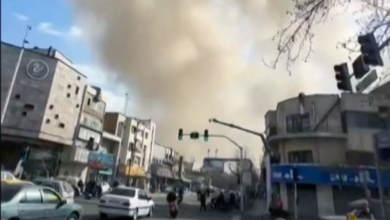
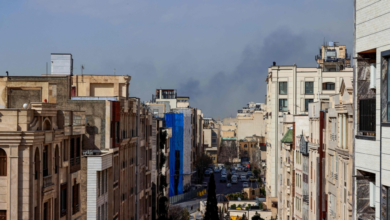
In parallel with the Iranian attack, Israel launched what it described as a "preemptive strike" against targets deep inside Iran. Eyewitnesses and journalists reported two powerful explosions that rocked the capital, Tehran, with plumes of thick smoke seen rising from the city center and its eastern districts. The Israeli Ministry of Defense officially claimed responsibility for the attack, stating that the operation was carried out to thwart imminent threats.
In a related context, reports indicated the participation of the United States in directing simultaneous offensive strikes, which adds an international dimension to the current crisis and complicates the geopolitical landscape in the region.
Background of the conflict: From shadow war to open confrontation
This escalation marks a new and dangerous chapter in the long-running conflict between Tehran and Tel Aviv. For decades, the two sides have waged war covertly or through regional proxies, but recent events suggest a breakdown in traditional deterrence. Targeting their capitals (Tehran and Tel Aviv) crosses red lines that have governed the conflict for years, placing the entire region on the brink of disaster.
Regional repercussions and state of emergency
This escalation cast a dark shadow over the domestic scene in Israel, with Defense Minister Yisrael Katz announcing an immediate "state of emergency" on the home front throughout the country. Extremely serious warnings were circulated to residents' mobile phones, particularly in Jerusalem and the northern regions.
Observers believe that the continued exchange of missile strikes could drag the region into a full-blown war that would affect global energy supplies and threaten the stability of the Middle East, amid international calls for restraint and preventing a slide into the unknown.